
Last updated October 31, 2026
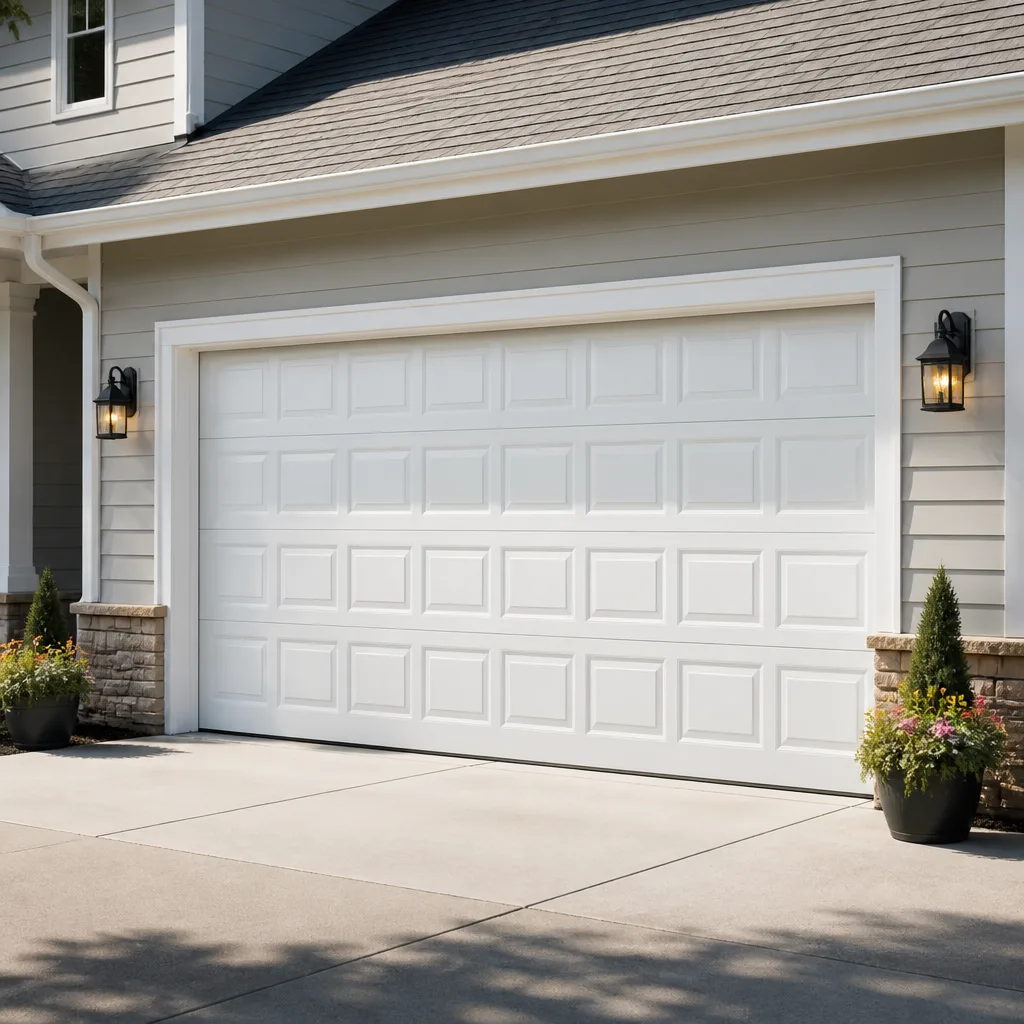 Raised-panel steel
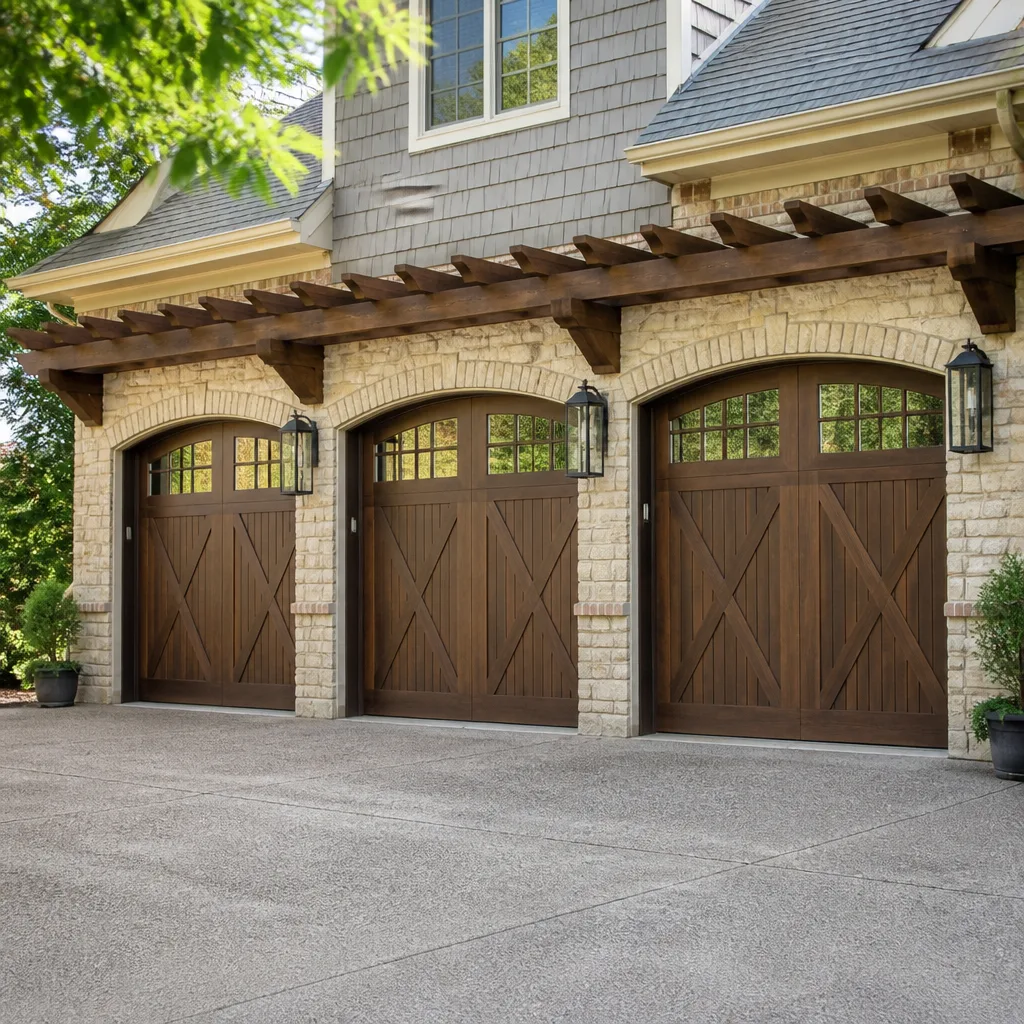 Carriage house
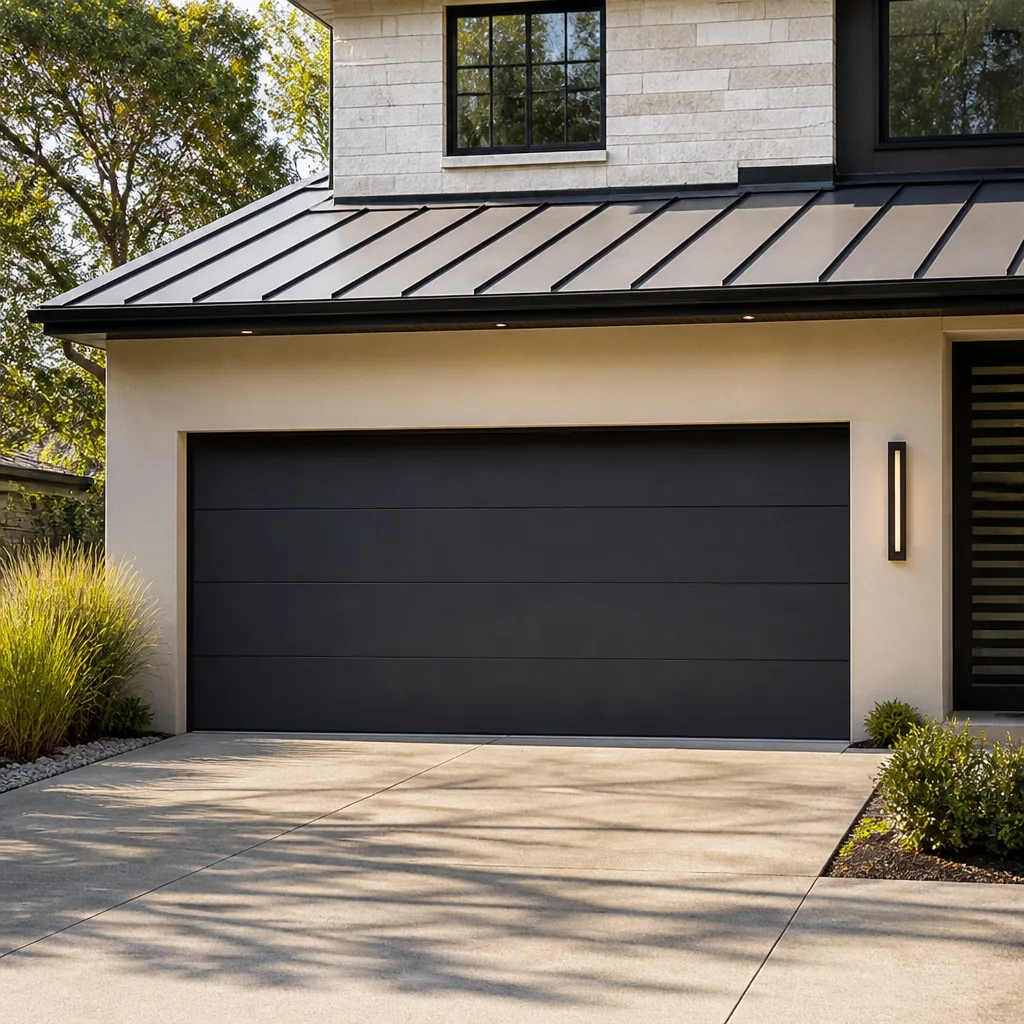 Modern flush
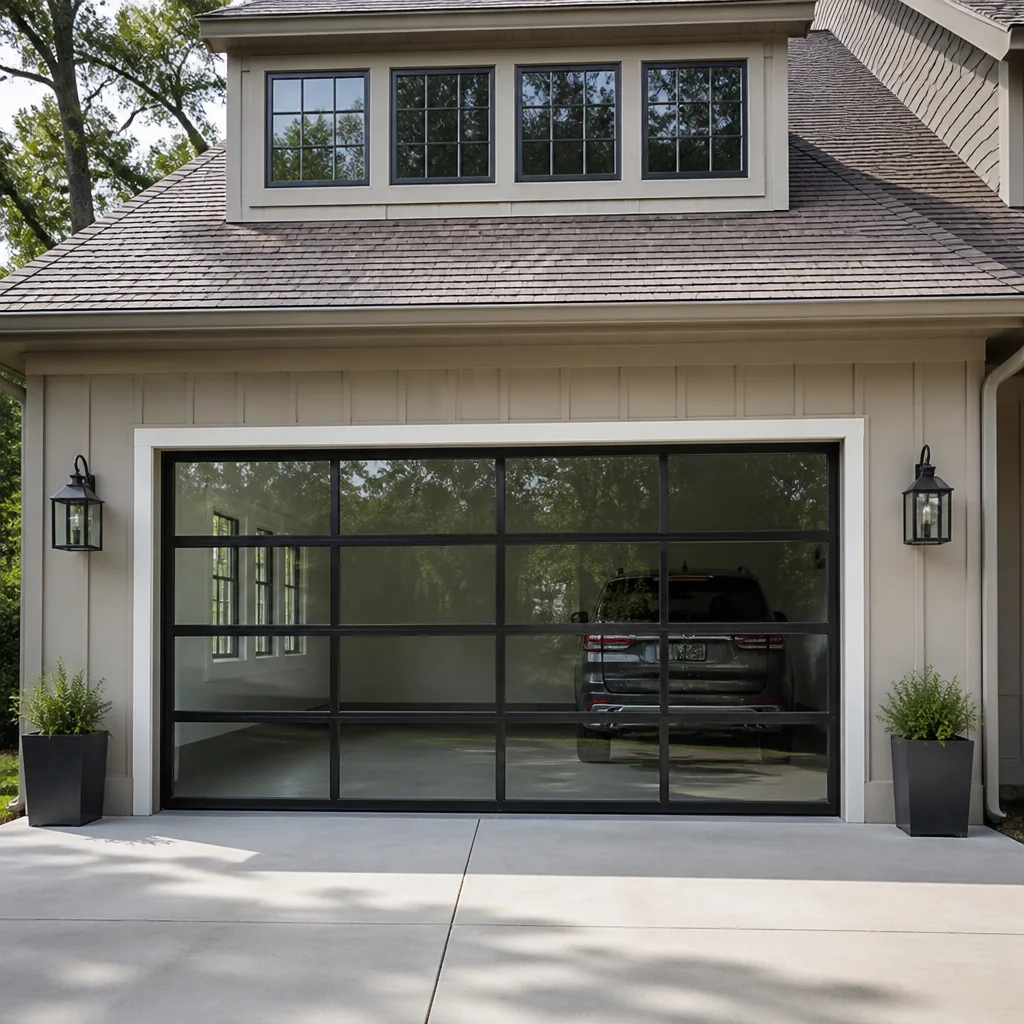 Full-view glass
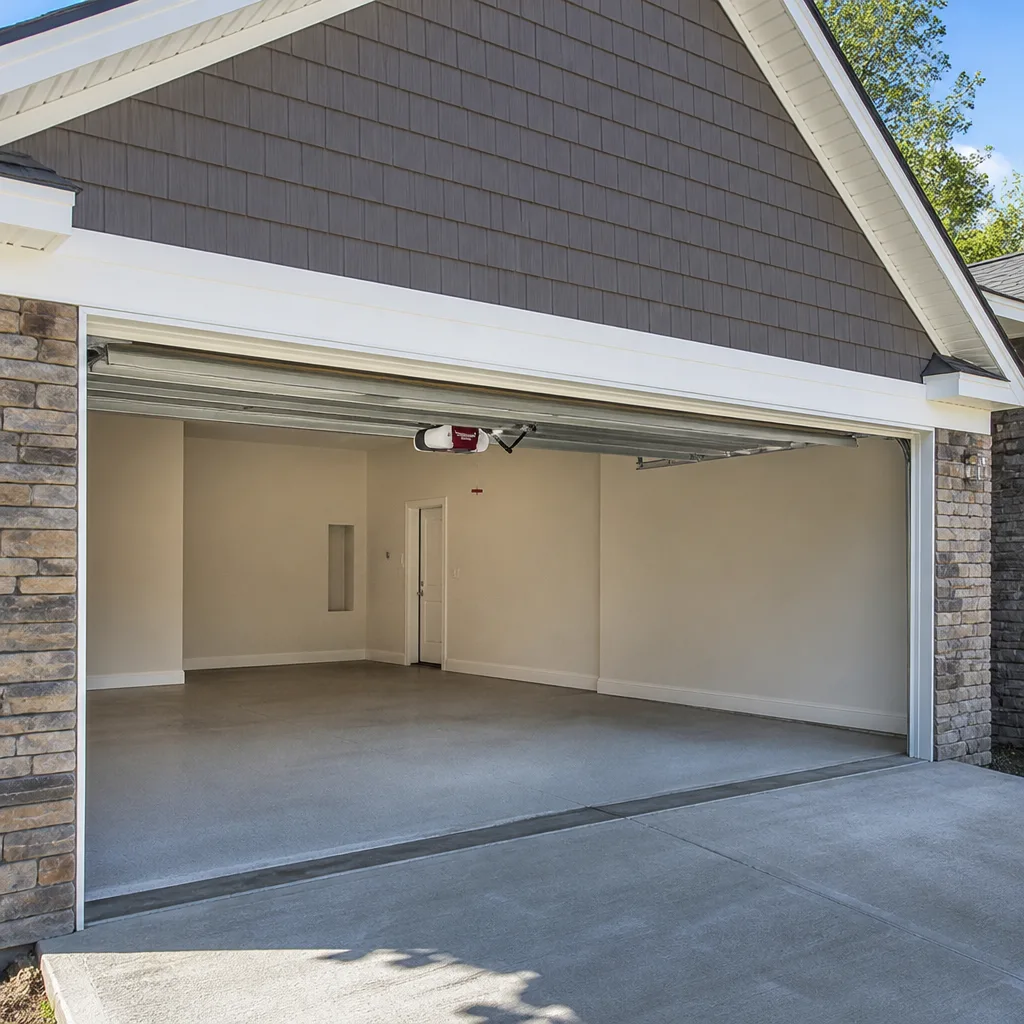 LiftMaster openers
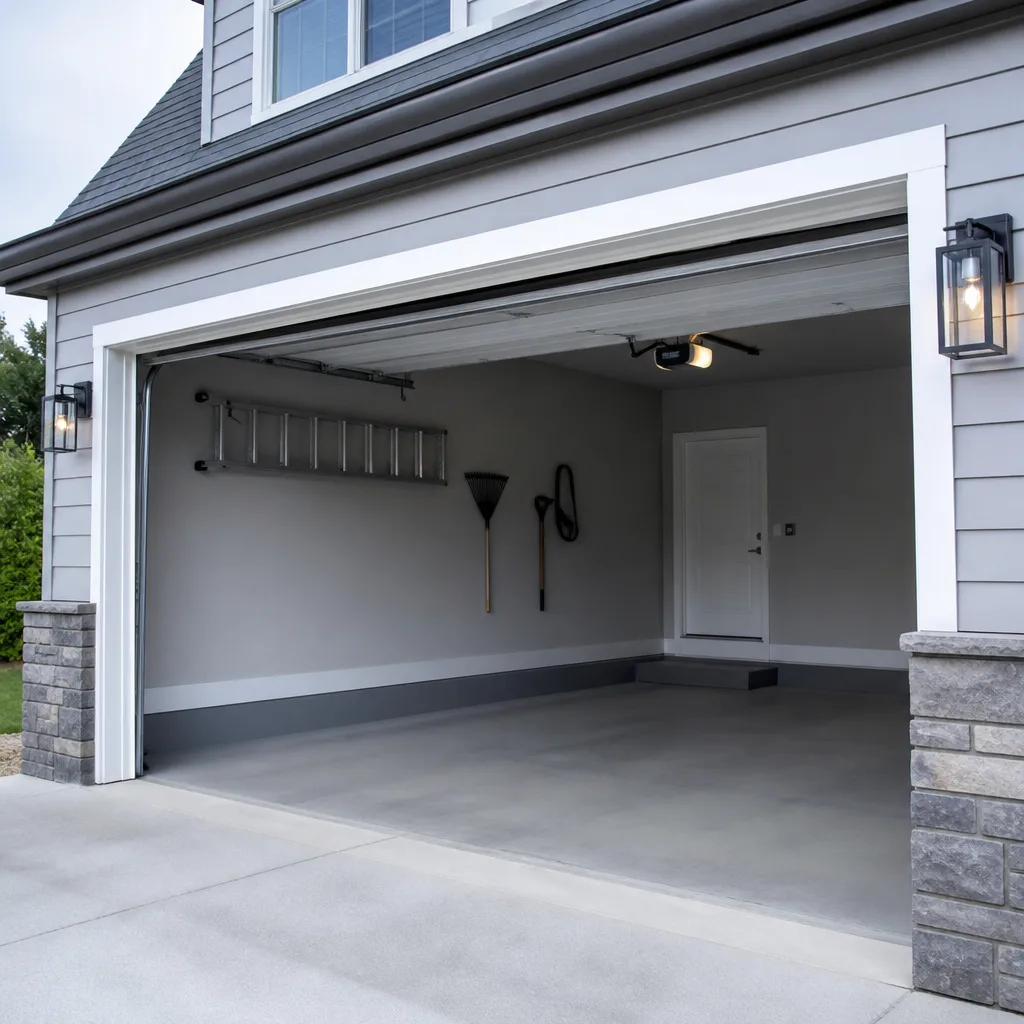 Chamberlain openers
Full 25-point door and opener safety check with every visit - springs, cables, rollers, tracks, and your LiftMaster or Chamberlain opener included
You get a price before we start. It does not change when the truck arrives.
Get your free estimateDIY vs Professional Garage Door: The Fort Myers Homeowner’s Decision Guide
A torsion spring on a standard residential garage door holds between 150 and 300 pounds of stored tension. That’s not a figure of speech meant to scare you. That’s the actual force that has sent homeowners to emergency rooms across Lee County. So when a Fort Myers homeowner asks whether they should tackle a garage door repair themselves, the honest answer isn’t a simple yes or no. It’s a question of which task we’re talking about. This guide walks you through that line, task by task, so you know exactly what’s safe to handle on a Saturday morning and what should never touch your hands.
Quick Answer
Most garage door maintenance and minor fixes are safe DIY territory for a capable homeowner, but torsion spring replacement, cable work, and track repairs carry serious injury risk and should always be handled by a professional. For Fort Myers homeowners specifically, the deciding factors are Florida’s humidity-driven wear patterns, hurricane-related code requirements for new installations, and the fact that newer door systems carry manufacturer warranties that can be voided by unapproved repairs.
Styles & brands we work with
- Raised-panel steel
- Carriage house
- Modern flush
- Full-view glass
- LiftMaster openers
- Chamberlain openers
Table of Contents
- The Task-by-Task Decision Matrix
- Why Torsion Springs Are Categorically Different
- The Eight Garage Door Tasks You Can Safely Do Yourself
- Opener Repair: Where DIY Goes Wrong Fast
- Florida Codes, Permits, and Warranties
- What Documentation to Keep After Professional Work
- Common Mistakes to Avoid
- When to Call a Professional
The Task-by-Task Decision Matrix
Let’s skip the generic advice. Here’s the actual breakdown we’ve developed from years of working on doors across Fort Myers, from McGregor Boulevard to Gateway. Some tasks are no-brainers to do yourself. Others are no-brainers to call. A few sit in between, and those depend on your comfort level with specific tools.
Safe DIY Tasks
- Lubrication: Spraying the hinges, rollers, and springs with a silicone-based lubricant every six months. Takes 15 minutes. Zero risk when done correctly.
- Sensor alignment: If your door reverses when it shouldn’t, the photo-eye sensors near the floor may be out of line. Adjusting them is usually a matter of loosening a wing nut and retightening.
- Weatherstripping replacement: The rubber seal along the bottom of the door wears out every two to three years in Fort Myers heat. Replacing it requires no special tools.
- Opener programming: Programming a new remote, keypad, or vehicle HomeLink system is a DIY task the manufacturer designed for homeowners to do themselves.
- Visual inspections: You should be checking your door monthly for rust, frayed cables, and loose hardware. That’s just looking and noting.
- Battery replacement: Opener remotes, keypads, and backup batteries are all homeowner-replaceable.
Professional-Only Tasks
- Torsion spring replacement: The stored tension in these springs is lethal if mishandled.
- Extension spring replacement: Same risk profile, different mechanism.
- Cable replacement: Cables work in tandem with springs. When springs snap, cables whip.
- Track repair or realignment: Bent tracks put the entire door assembly at risk of collapse.
- Panel replacement on a multi-panel door: Individual panels are heavier than they look and tied to the door’s balance system.
- Opener motor replacement: Involves electrical wiring and the door’s mechanical balance.
Gray Zone (Skill-Dependent)
- Opener installation: A capable homeowner with electrical experience can install a new opener. Most people underestimate the time and the ceiling-brace work involved.
- Full door replacement: Technically possible for a very handy homeowner with a helper. But Fort Myers wind-load requirements mean the permit process alone usually justifies hiring a licensed installer.
One thing we should note: everything in the “safe DIY” column assumes a door in otherwise good working condition. If your door is 15 years old, the rollers are grinding, and one spring already broke, the safe tasks change. A door with pre-existing mechanical issues is unpredictable.
Why Torsion Springs Are Categorically Different
Here’s what’s actually happening inside a torsion spring system, mechanically speaking. A torsion spring is a coiled steel spring mounted on a metal shaft above the garage door opening. When the door closes, the spring winds up, storing mechanical energy. When the door opens, that stored energy releases and does most of the heavy lifting, which is why an opener motor only needs to exert a fraction of the door’s actual weight.
That’s the design. The danger comes from the fact that the spring is always under tension, even when the door is closed and the opener is unplugged. The spring doesn’t know the difference between you opening the door and you loosening the set screws on the winding cone. Both release the same stored force.
The tools for this job are specialized: winding bars that insert into designated holes in the winding cone. Using a screwdriver, a pry bar, or a piece of rebar instead is how people get hurt. The correct winding bars are a quarter-inch thick steel rod of a specific length. If one slips out of the cone while you’re winding or unwinding a spring, the bar becomes a projectile moving faster than you can react.
We hear from Fort Myers homeowners who’ve researched the procedure online and think they can manage it. Here’s the part most tutorials don’t mention: the number of turns matters and varies by door height and spring size. Get it wrong and the door is either so heavy it won’t lift, or so light it flies up and slams. Both conditions put the opener motor and the door itself at risk of additional damage.
Spring replacement also requires matching the replacement spring to the door’s exact weight, size, and track configuration. A spring that’s too strong or too weak for your specific door creates dangerous balance problems that may not show up until days or weeks later. Professional replacement involves measuring the old spring, calculating the right replacement, and performing a balance test after installation to confirm the door opens smoothly and stays in place.
What about warranty coverage? Most spring manufacturers offer a cycle-rated warranty, typically 10,000, 25,000, or 50,000 cycles. These warranties are only honored when the spring is installed by a professional. If you install it yourself and it fails early, you eat the cost of a second replacement.
The honest math: a professional torsion spring replacement in Fort Myers typically runs $180 – $340 including the spring and labor. An emergency room visit in Lee County starts well north of $1,000 even with insurance. That’s an easy decision. If a spring has broken, call someone who does this daily. This is the single most dangerous DIY task in residential home maintenance, and we say that without exaggeration.
The Eight Garage Door Tasks You Can Safely Do Yourself
There are far more safe DIY tasks than dangerous ones, and doing these yourself can extend the life of your door and save you real money. Here are eight tasks we tell Fort Myers homeowners to feel confident about.
1. Lubricate Moving Parts Twice a Year
Garage doors in Southwest Florida endure heat, humidity, and salt air if you’re near the coast. That accelerates wear on every moving component. You’ll want a silicone-based lubricant, not WD-40, which is a solvent and will strip existing lubrication. Spray the hinges, rollers, and the torsion spring coils. You can do this safely because you’re not touching any component under tension. You’re simply spraying from the side, never putting your hands between the door and the track or into the spring assembly itself.
2. Align Photo-Eye Sensors
If your door starts closing and then reverses for no apparent reason, the photo-eye sensors at the bottom of each track are likely misaligned. These sensors sit about six inches off the floor and project an invisible beam between them. To check alignment, look at the small indicator lights on each sensor. If one is blinking or off, loosen the wing nut holding the sensor bracket, adjust until both lights are steady, and retighten. This is a five-minute fix that requires no tools beyond your hands.
3. Replace Bottom Weatherstripping
The rubber seal along the bottom of your garage door bakes in the Fort Myers sun and cracks within two or three years. When it fails, you get water intrusion during summer storms and an entry point for the insects Florida is famous for. Replacement is simple: pull out the old seal from the retainer track, slide the new seal in, and trim to length. The seals are sold by length at any hardware store, and you don’t need to remove the door or touch any tensioned component.
4. Program Remotes and Keypads
Every major opener brand, whether you have a LiftMaster, a Chamberlain, or a Genie, publishes its programming instructions online and in the manual. Programming a new remote or keypad involves pressing a button on the opener motor and then following the pairing sequence on the remote. Some newer openers use smartphone apps. Either way, this is designed for homeowners to do themselves and carries zero mechanical risk.
5. Replace Remote Batteries
Obvious, but worth stating: when the opener works from the wall panel but not from the remote, the problem is usually a dead battery, not a broken opener. Replace the battery first. It costs three dollars and takes two minutes.
6. Clean and Clear the Tracks
You can wipe down the vertical and horizontal tracks with a cloth to remove built-up grime. You should not attempt to adjust, bend, or realign the tracks, because the tracks determine whether the door runs true. What’s safe is cleaning the inside channel where the rollers travel, as long as you’re not standing on a ladder directly under the door’s travel path. Use a dry cloth or a light brush. No chemical cleaners needed.
7. Tighten Loose Hardware
Garage doors vibrate every time they open and close, and over months of daily use in a busy household, bolts can work loose. You can safely tighten the bolts on the door sections and the hinges using a socket wrench. What you should not do is tighten the bolts on the spring assembly or the cables, ever. Those are tension-bearing and should only be touched by someone trained.
8. Inspect Monthly
Every month, do a visual walk-around. Look at the cables for fraying. Look at the springs for separation. Look at the rollers for cracking. Run the door and listen for grinding or screeching sounds. Observe whether the door opens smoothly or jerks at any point. Catching problems early is the single best DIY garage door task you can do, because it’s the difference between a $120 roller replacement and a $600 track repair.
Opener Repair: Where DIY Goes Wrong Fast
Opener repair is its own category, and it’s where we see the most frustration from Fort Myers homeowners. The door itself may be perfectly fine, but the opener won’t respond, won’t lift reliably, or makes noise without moving the door. This is where the DIY-versus-pro question gets subtle.
First, understand what an opener is and isn’t. The opener is the motorized unit that pulls the door open and pushes it closed. It is not responsible for the door’s weight. That’s the springs. When a homeowner tells us the opener “struggles” to lift the door, the opener is usually fine and the springs are losing tension. Replacing the opener in that situation won’t fix the problem because the real issue is upstream in the spring system.
The safe DIY portion of opener work is the peripheral stuff: programming, batteries, sensor cleaning, and clearing obstructions. The dangerous portion is anything involving the opener’s internal components, the drive mechanism, or the electrical wiring. A garage door opener on a modern home is wired into a 120-volt circuit and in some cases a separate breaker. If you’re not comfortable working with household electrical systems, owner-opener diagnostics should stop at the point where you’d need to remove the opener’s cover.
Here’s a specific failure pattern we see in Fort Myers regularly: a Chamberlain or LiftMaster opener installed in a garage with no climate control begins acting erratically during July and August. The circuit board is overheating, and the opener starts random-reversing or refusing to respond. Some homeowners replace remotes, replace sensors, replace the keypad, and the problem persists because the issue is inside the motor unit. That’s an opener repair specialist call, not a DIY fix despite what forum posts suggest.
Another Florida-specific issue: lightning strikes. Fort Myers averages 90 thunderstorm days per year, and surge damage to opener circuit boards is common. If your opener dies suddenly after a storm, the board may be fried. A visual inspection may show scorch marks or a burnt smell. This is a replacement-level repair, not a fix, and it’s worth having a professional confirm before you buy a whole new unit.
For brand-specific opener diagnostics on Garage Door Opener Repair in Port LaBelle and surrounding areas, opener repair is a dedicated specialty for us, not an add-on service.
Florida Codes, Permits, and Warranties
Here’s a section that more guides & resources often skip. Florida has specific building code requirements for garage doors that affect both DIY replacement and professional installation, and Fort Myers sits in a High Velocity Hurricane Zone for wind-load purposes when you’re near the coast. What this means practically: a garage door installed on a Fort Myers home must meet specific wind-load ratings and be installed with specific anchoring methods.
If you’re considering a full door replacement as a DIY project, know this: a building permit is required for garage door replacement in most of Lee County when the door is being newly installed, not just serviced. For a detailed look at expected expenses, see our Garage Door Cost Breakdown: The Fort Myers Homeowner’s Reference for 2026. The permit process requires that the installation meets Florida Building Code wind-load standards. A DIY installation that doesn’t meet those standards can fail a future home inspection if you sell the property, and can complicate insurance claims.
Insurers in Florida have become particularly strict about garage door wind resistance since Hurricane Ian. Some policies offer discounts for doors with documented wind-rated installation. If you install a door yourself without a permit and without documentation, you don’t get the insurance credit, and in a worst-case scenario, storm damage to an unpermitted door could complicate a claim. These are real-world liabilities beyond the physical injury risk.
Manufacturer warranties are the second consideration. Brands like Amarr and Wayne Dalton offer lifetime warranties on certain door components, but those warranties are conditional on professional installation. The warranty language typically says the door must be installed “by a qualified professional” according to the manufacturer’s installation manual. If you install it yourself and a panel delaminates or a spring mount fails, the manufacturer can deny the claim based on installation error, and you’ll have a hard time proving the installation wasn’t the culprit.
For opener systems from Raynor, Craftsman, or any of the major brands we service, the warranty picture is similar. Some opener manufacturers void the warranty entirely if the opener is relocated or rewired by a non-professional. What that means in practice: if you buy a new opener, install it yourself, and it fails six months in, the warranty process may ask who installed it. A DIY installation answer can end the conversation.
If your door is older, these considerations matter less. A 15-year-old door has no active warranty, and a replacement that doesn’t require a permit because of how it’s scoped may be simpler. But for newer systems and coastal Fort Myers homes, the code and warranty implications tilt the replacement decision toward professional installation even for very capable DIYers.
What Documentation to Keep After Professional Work
We’ve already touched on insurance and permits. Here’s exactly what Fort Myers homeowners should keep on file after any professional garage door work, whether it’s a spring replacement or a full door installation from our garage door installation service area or anywhere in Lee County.
- Itemized invoice: Should list the specific parts used, including spring size or door model number. This is your proof of service and your record of what was installed.
- Permit documentation: If the work required a permit, keep the permit number and the final inspection sign-off. This matters at resale and for insurance purposes.
- Warranty information: Keep the manufacturer’s warranty card or registration confirmation. Many warranties require registration within a specific window after installation, so do this immediately.
- Wind-load certification: For Florida specifically, if your door replacement includes a wind-rated door, keep the product approval number and the wind-load rating. Insurance companies ask for this.
- Before-and-after photos: Useful for any future warranty or insurance claim. Document the door before work begins and after completion.
- Spring cycle rating: If springs are replaced, ask the technician what cycle rating the new springs carry. This tells you expected lifespan and matters for future warranty claims.
Most reputable garage door companies provide these documents as a matter of course. If you do hire for a replacement, ask up front what documentation will be provided so you’re not chasing paperwork after the fact.
Common Mistakes to Avoid
- Attempting torsion spring work with improvised tools. The spring’s stored tension is the same regardless of what tool you use to release it. Screwdrivers and pry bars are no substitute for proper winding bars, and the result can be a projectile injury in your own garage.
- Disconnecting the door from the opener to “isolate the problem” and then yanking on the manual release while the door is mid-cycle. If a spring is broken, the door can freefall once released from the opener. Let the door complete its current position before testing anything manually.
- Replacing the opener when the springs are the real issue. We covered this, but it’s worth repeating because it’s the most expensive misdiagnosis we see. A new opener on a door with dead springs gives you a new motor that still can’t lift the door.
- Using general household lubricants on the door. Grease-based lubricants collect Florida’s sandy grit and turn into grinding paste on the rollers and hinges. Silicone or lithium-based lubricant only.
- Ignoring a squealing sound until something snaps. Squealing is early-warning noise from rollers, hinges, or springs. The fix when you hear it costs a fraction of what the repair will cost when the sound turns into a snap.
- Forgetting that hurricane season is a deadline, not a suggestion. In Fort Myers, a garage door with weak springs or damaged tracks becomes a liability when a storm comes through. Every June, do a pre-season check before the storms start stacking up in the Atlantic.
- Assuming all professional quotes are comparable without asking what parts they’re using. A $180 spring replacement may use a 10,000-cycle spring. A $280 quote may include a 25,000-cycle spring. Ask what you’re paying for.
When to Call a Professional
Call a professional for any job involving springs, cables, tracks, or full door replacement. Those are the four categories where injury risk and code compliance meet. Call a professional if your opener has internal problems beyond remote programming and battery replacement. And call a professional if you’re not sure what’s wrong, because a diagnostic visit costs less than buying the wrong replacement part and discovering a week later the door still doesn’t work. Fort Myers Garage Door Service offers free estimates in Fort Myers, covers full repair and replacement on eight major brands including Amarr, Wayne Dalton, Craftsman, and Raynor, and will always quote a fixed price before work begins. Call (833) 589-8278 and we’ll give you a straight answer.
See the difference
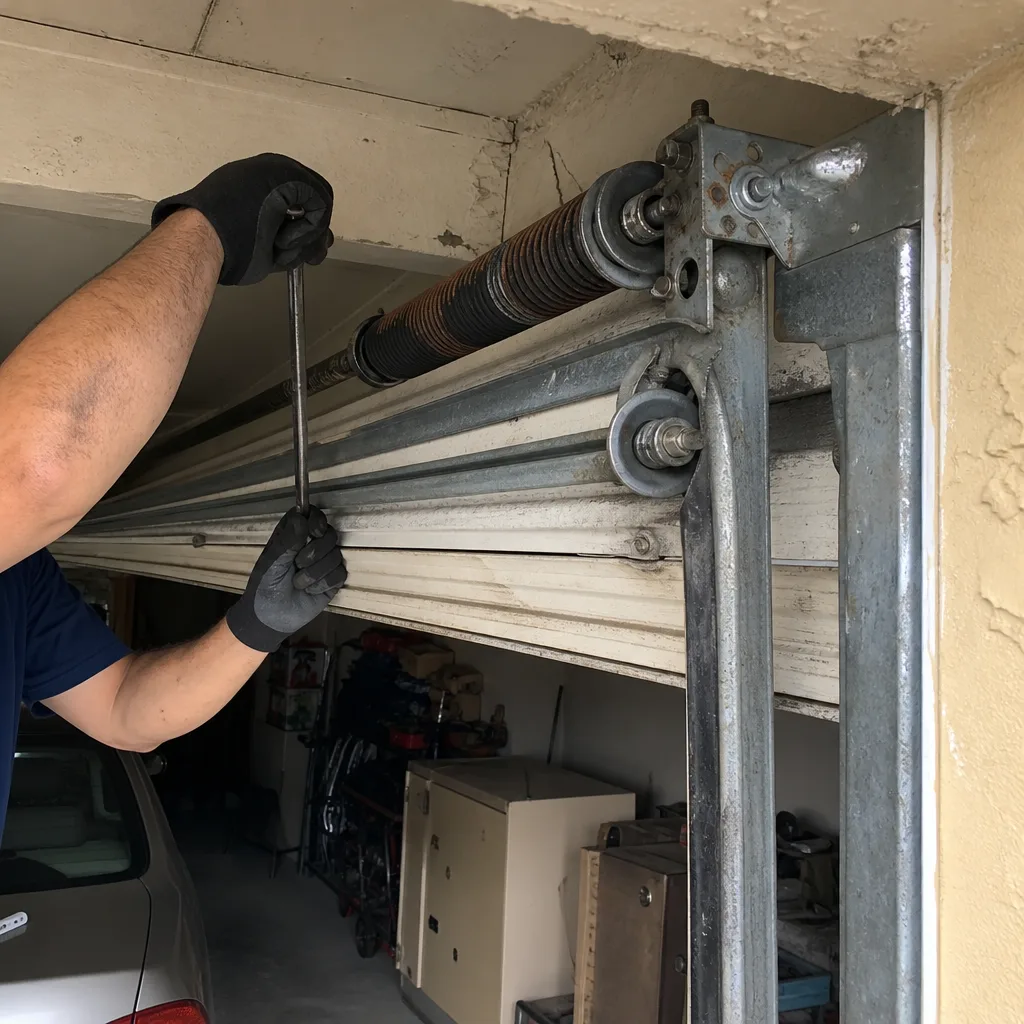 Before
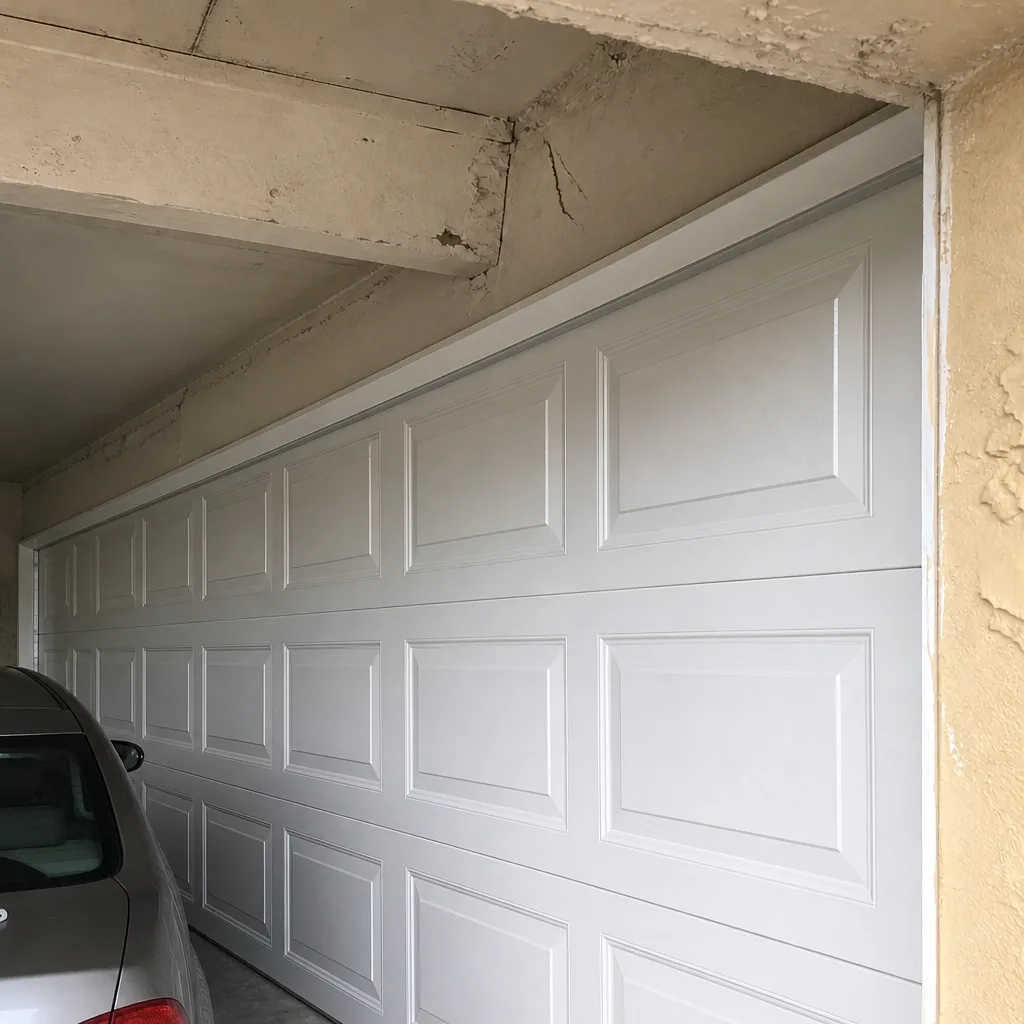 After
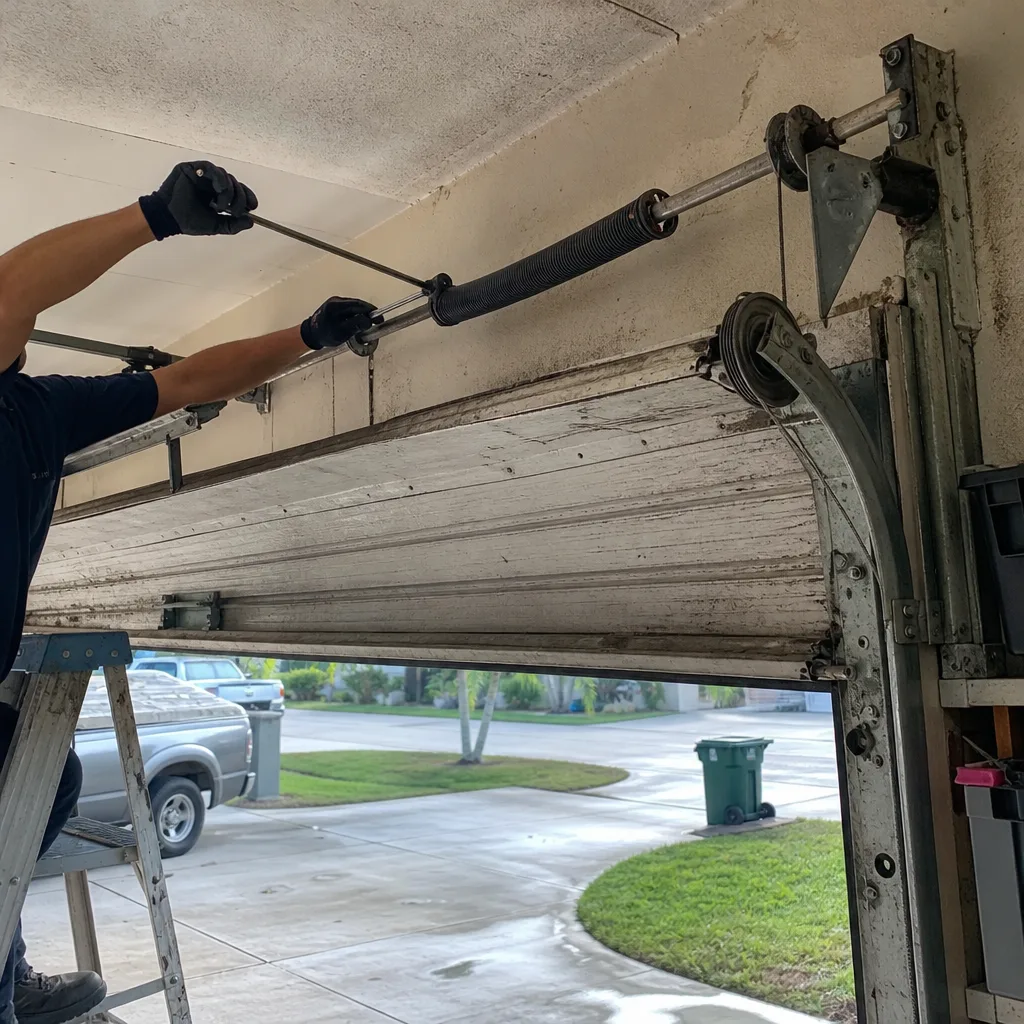 Before
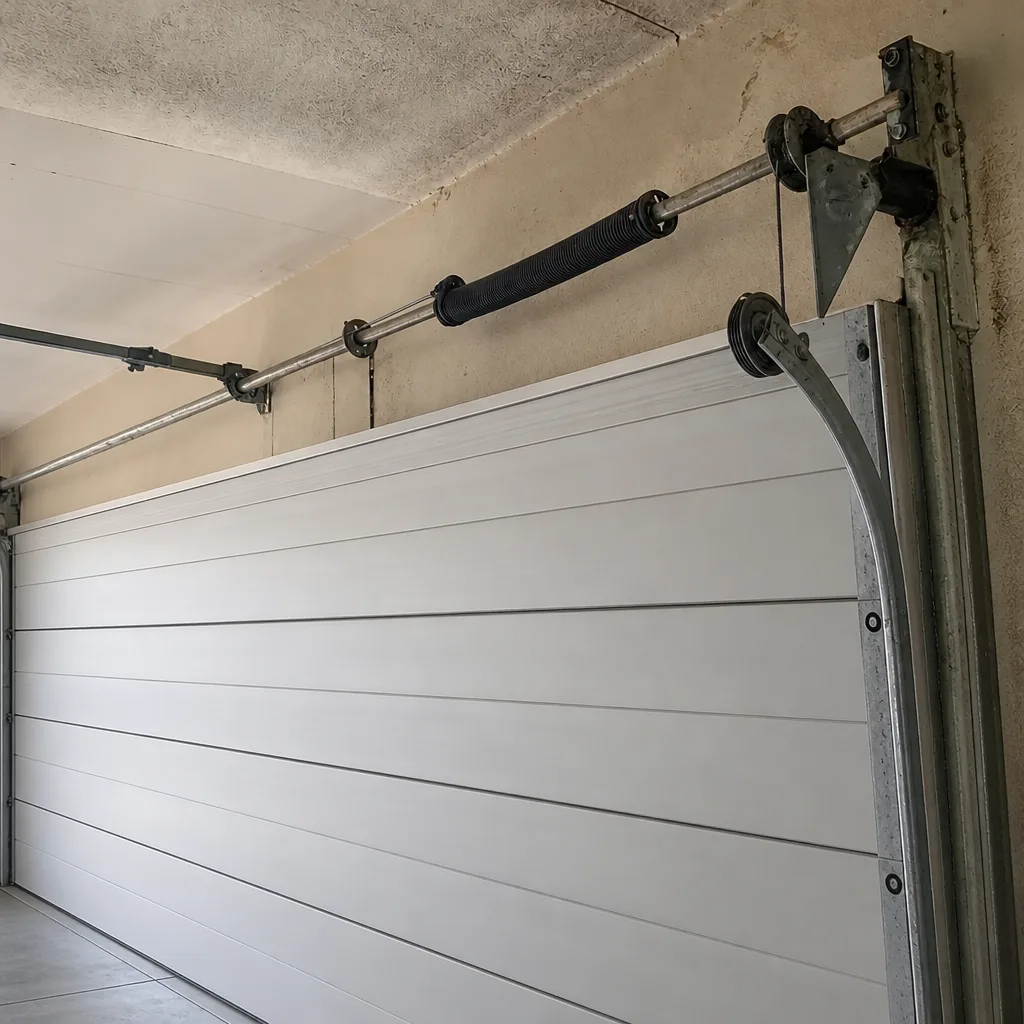 After
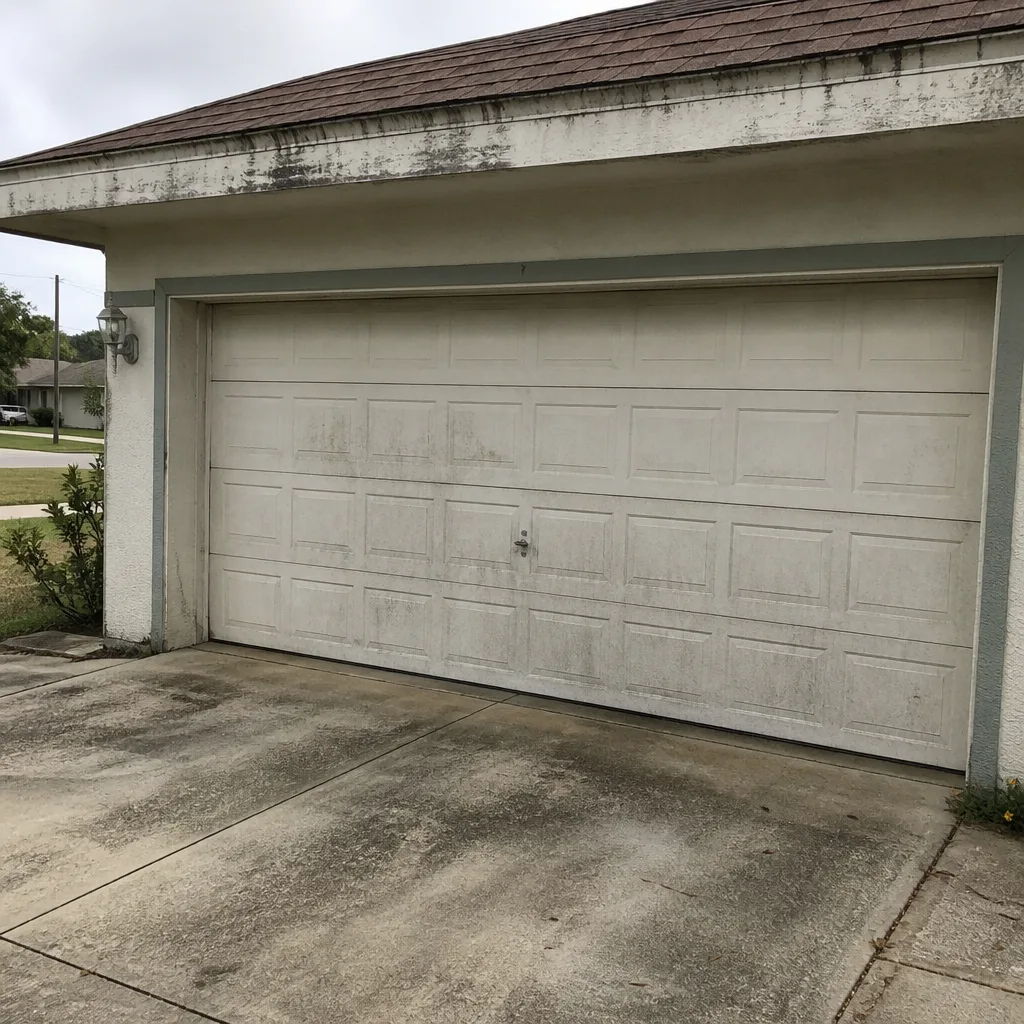 Before
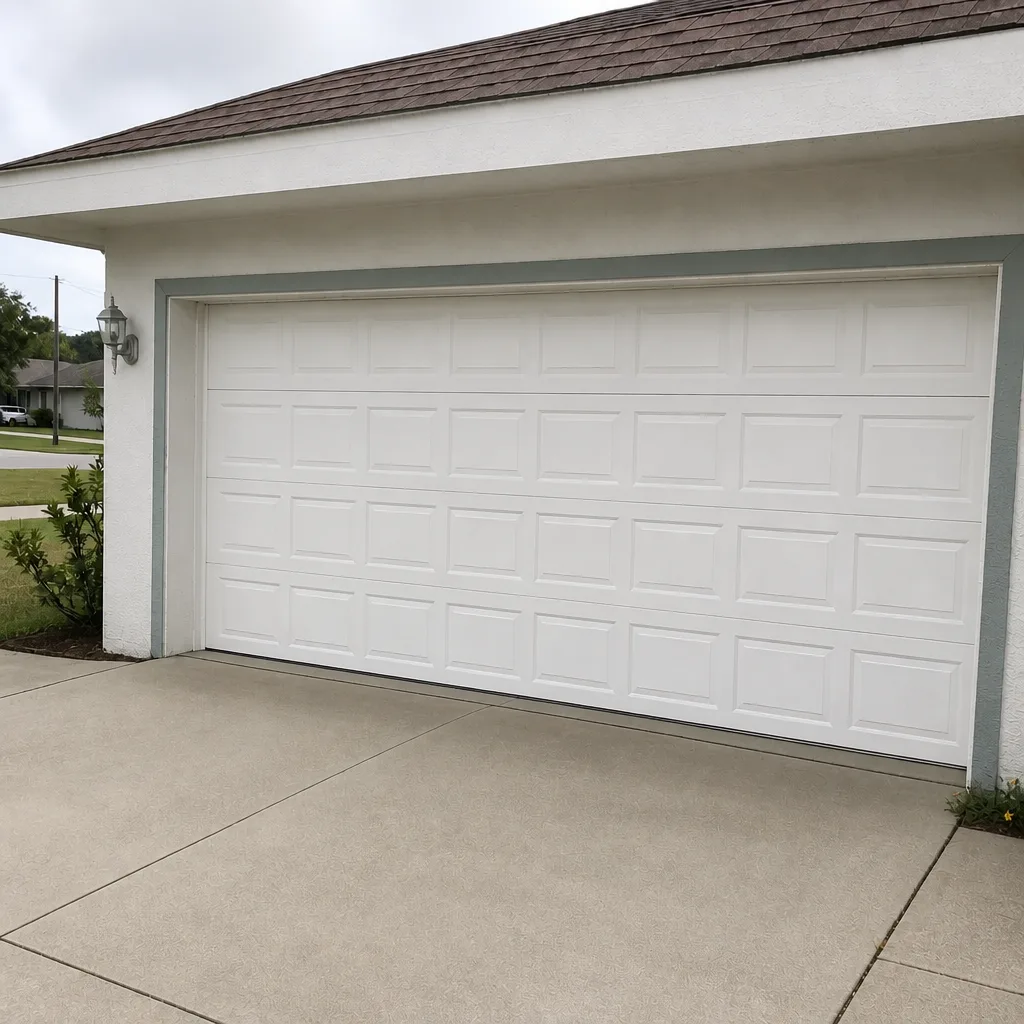 After
Frequently Asked Questions
You can safely handle lubrication, weatherstripping replacement, sensor alignment, remote and keypad programming, battery replacement, light hardware tightening, track cleaning, and monthly visual inspections. Anything involving springs, cables, or track structural work should be done by a professional. If you’re near the coast in Fort Myers, salt air accelerates corrosion on all moving parts, so your monthly inspections matter more than they would inland. For storm-season planning, review our Garage Door Emergency Preparedness Guide for Fort Myers Homes.
Torsion spring replacement typically runs $180 – $340 including parts and labor. Roller replacement runs $100 – $250 depending on how many rollers and the roller type. Opener repair ranges from $90 for minor board or gear fixes to $400+ for full motor replacement. These are typical ranges. For a free estimate on your specific issue, call (833) 589-8278 and we’ll quote before any work starts.
If you’re comfortable with basic electrical work and have a helper for the heavy lifting on the motor unit, yes, though most people underestimate the time involved and the precision needed for the ceiling-brace and rail alignment. Opener installation done improperly will pull itself loose from the ceiling over months of use. We recommend professional installation for openers because a top-quality installed opener should last 10 – 15 years; a misinstalled one will fail in a fraction of that.
In most of Lee County, yes, a building permit is required for a full garage door replacement, particularly for homes that must meet Florida’s High Velocity Hurricane Zone wind-load standards. Repairs like spring and roller replacement don’t require permits. A new door installation that’s done without required permits can create issues at resale and with insurance. Reputable installers handle the permit process as part of the job.
We service and install eight major garage door brands: LiftMaster, Chamberlain, Genie, Clopay, Amarr, Wayne Dalton, Craftsman, and Raynor. That means you don’t need to find a brand-specific technician for whatever’s on your garage. For new installations, our multi-brand catalog gives you real options on style, material, and price point, and our garage door repair service covers that area with the same multi-brand approach.
That depends on your policy and whether the damage was caused by a covered peril like wind or falling debris. Cosmetic damage is often excluded. If your door fails because springs snapped from wear, that’s typically a maintenance issue and not covered. Keeping documentation of prior professional work and wind-rated installation helps with claims, which is reason enough to keep the paperwork from any installation or major repair. You can also review our Fort Myers Garage Door Service home for more on what’s covered by a professional service visit.
In the Fort Myers climate, twice a year is right. A spring and summer service catches salt-air corrosion and pre-hurricane-season issues, and a fall service handles the wear from months of heavy use and the seasonal humidity shift. Between those professional visits, the monthly visual inspections we described above keep you ahead of failures. For a homeowner doing their own maintenance, lubrication every six months is the minimum.
Common Mistakes to Avoid
If you take nothing else from this guide, take these. Here are the mistakes we see Fort Myers homeowners making most often.
- Attempting DIY torsion spring replacement. The injury risk is real, not hypothetical. A winding bar slipping from a cone at full tension is a projectile. The cost savings over a professional replacement, roughly $150 – $250, isn’t worth the emergency room visit.
- Using the opener as a diagnostic for door problems. The opener is the easiest component to blame but rarely the actual failure. When the door is heavy, unbalanced, or grinding, look at the springs, rollers, and tracks before touching the opener.
- Ignoring a door that’s drifted out of balance. A door that hangs unevenly, opens crooked, or jerks at the halfway point is telling you something. The longer you run a door with a broken or worn spring, the more secondary damage you cause to the opener, the tracks, and the door sections.
- Buying replacement parts by visual match only. Springs are not universal. The right replacement spring depends on your door’s weight, height, and track setup. A spring that “looks right” can be dangerously wrong.
- Replacing the weatherstripping without cleaning the retainer channel first. The old rubber leaves residue in the channel, and the new seal won’t seat properly if you don’t clean it out. The seal will leak within weeks.
- Programming a new remote without erasing old codes on a previously owned home. Any prior resident’s remotes that are still paired to the opener still work. Clear the opener’s memory and re-pair only your remotes. Security matters, especially in Fort Myers neighborhoods with high seasonal turnover.
- Not testing the auto-reverse function after DIY sensor work. After any sensor alignment, test the reversal system by placing a board under the closing door. If the door doesn’t reverse, your sensor alignment isn’t actually finished.
The Bottom Line
The DIY versus professional question for garage doors in Fort Myers has a real answer, and it’s not about your skill level. Lubrication, weatherstripping, sensor alignment, remote programming, and monthly inspections are homeowner territory. Torsion springs, extension springs, cables, and track work are professional territory, full stop. Opener diagnostics sit in the middle, leaning professional as the opener ages. And full door replacement in coastal Lee County is better left to licensed installers who understand wind-load code and can document the installation for your insurer. Follow this guide, save the DIY dollars where they’re safe to save, and spend the professional dollars where they prevent injury and protect your home’s value. If you’re in the Fort Myers area and need a free estimate on any of this, call us at (833) 589-8278. We’ll tell you straight up what needs a pro and what you can handle yourself.
Written by the team at Fort Myers Garage Door Service, serving Fort Myers since 2015.