
Last updated October 31, 2026
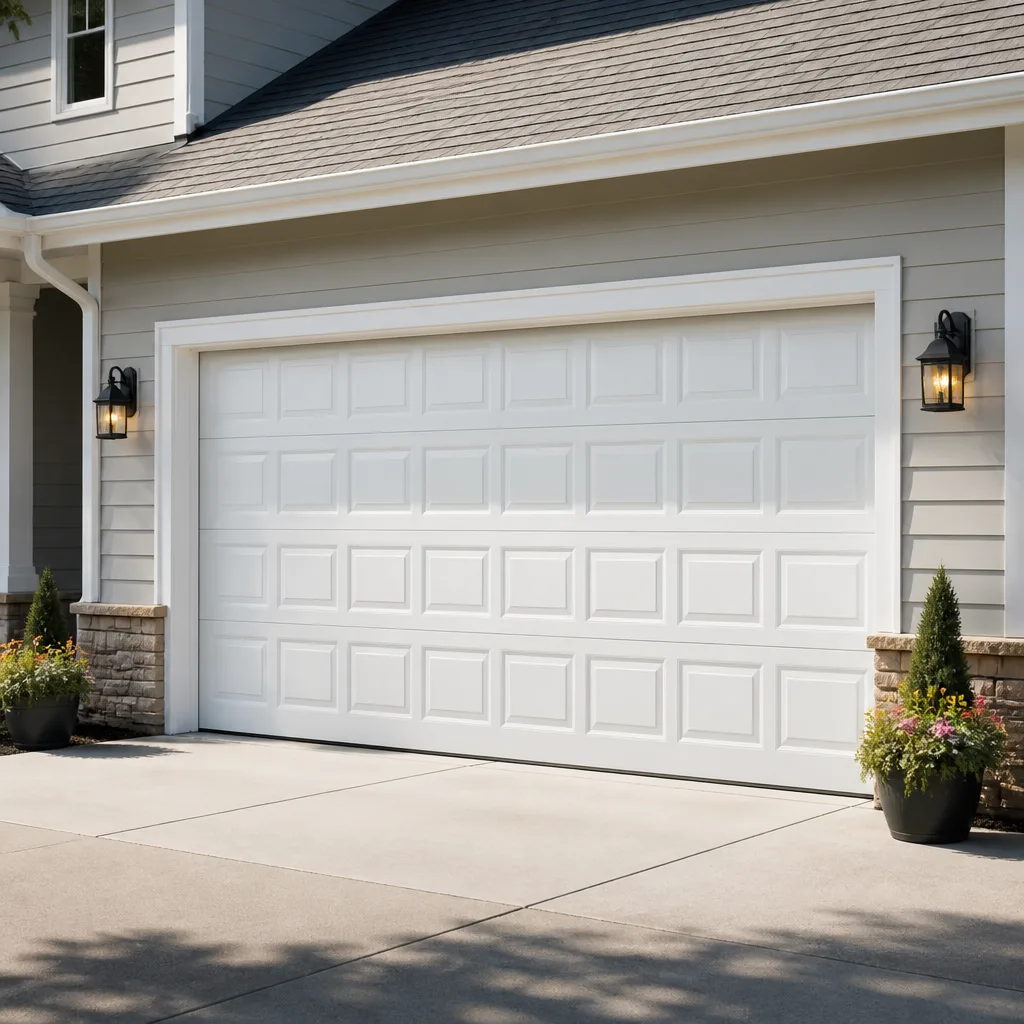 Raised-panel steel
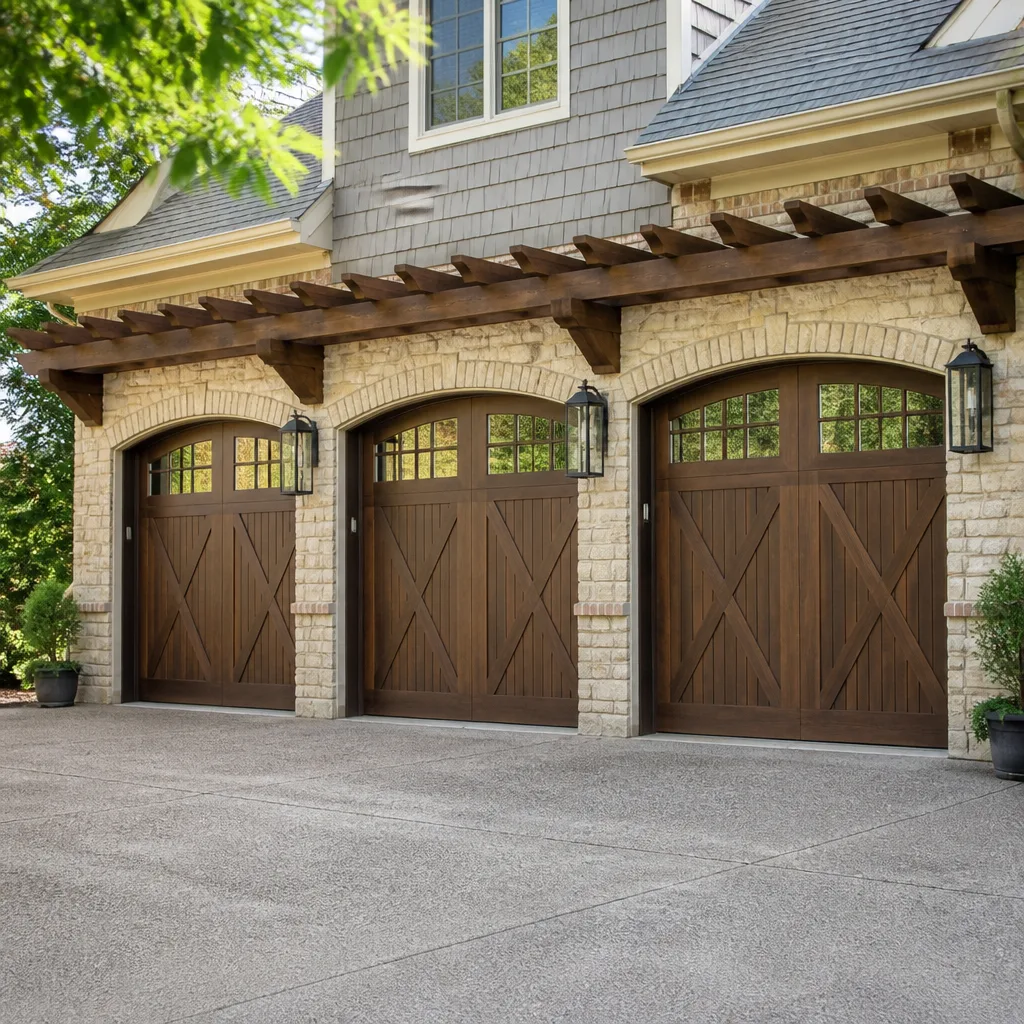 Carriage house
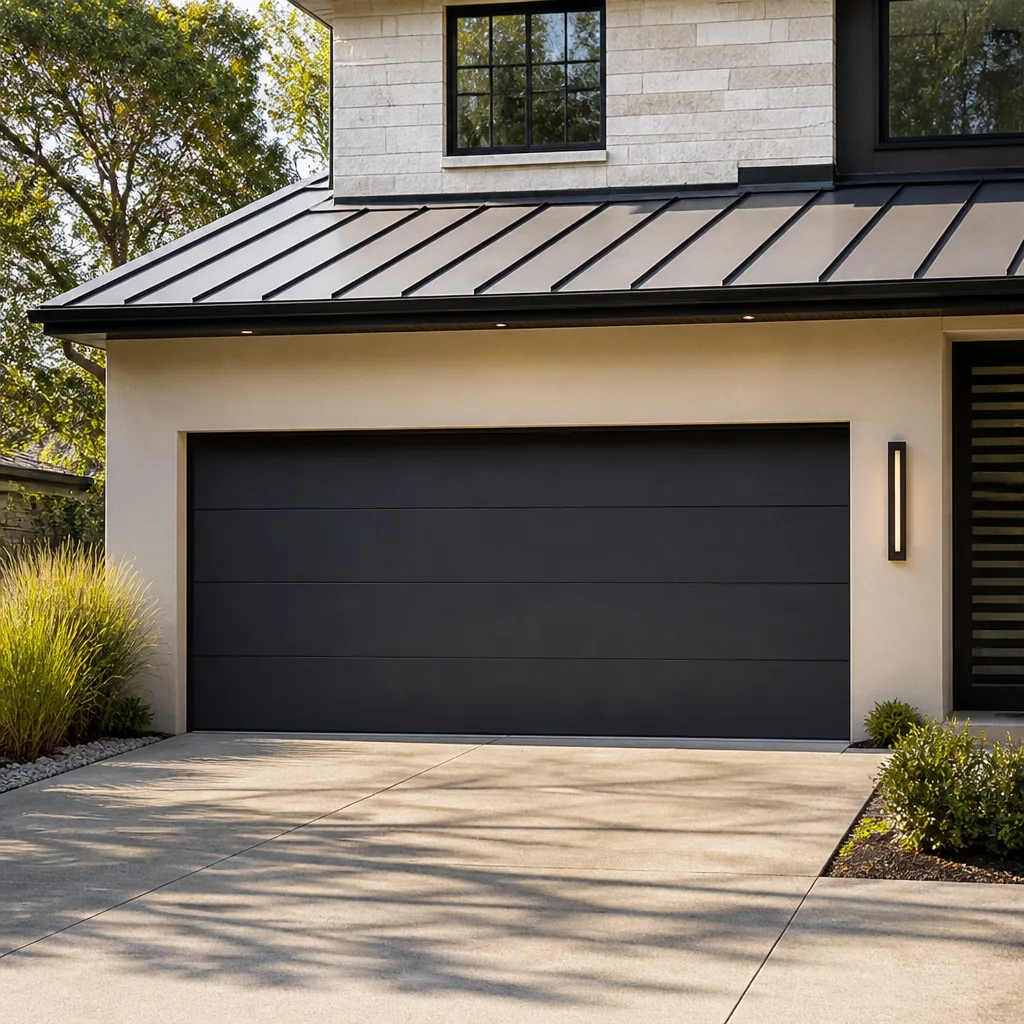 Modern flush
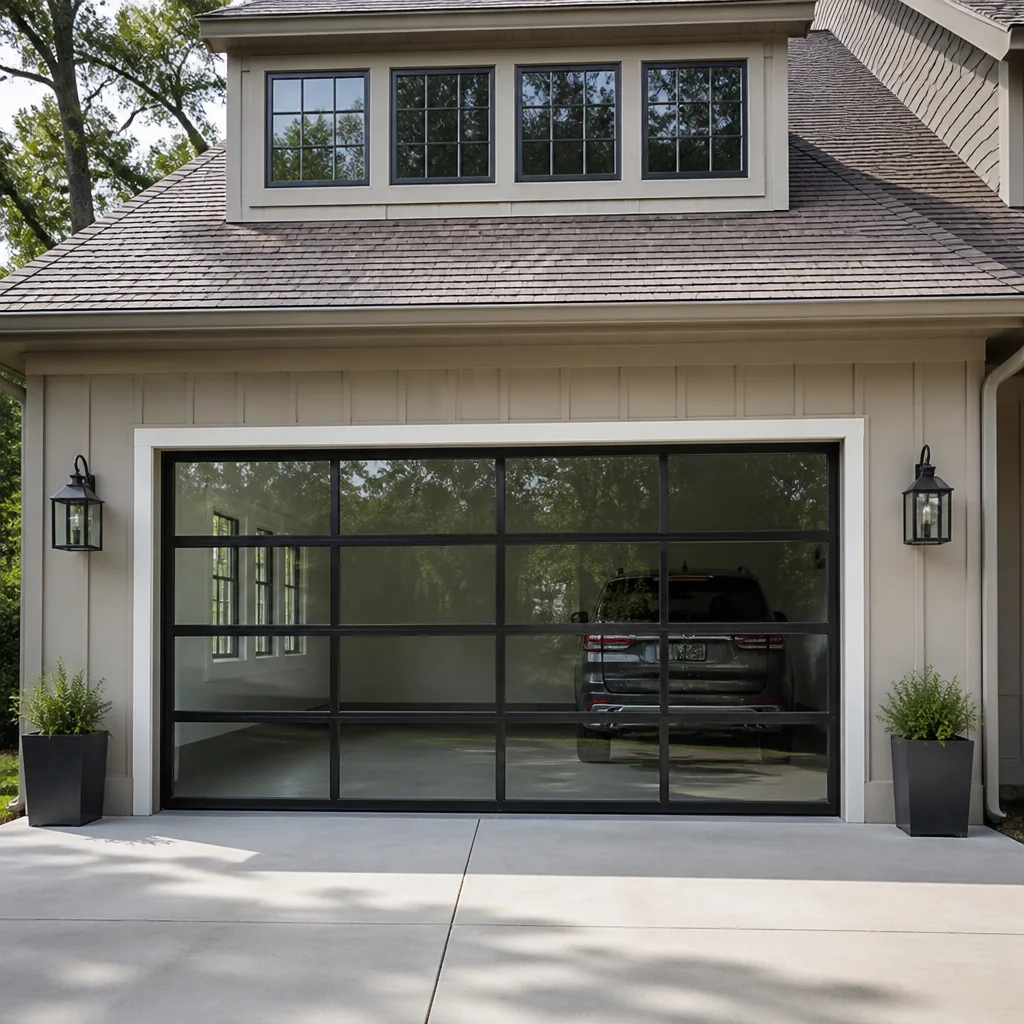 Full-view glass
 LiftMaster openers
 Chamberlain openers
Full 25-point door and opener safety check with every visit - springs, cables, rollers, tracks, and your LiftMaster or Chamberlain opener included
You get a price before we start. It does not change when the truck arrives.
Get your free estimateGarage Door Warning Signs: A Fort Myers Homeowner’s Reference Guide
Garage doors don’t fail without warning. They telegraph problems for weeks, sometimes months, before a part actually breaks. A squeak that starts quiet and gets louder. A door that hesitates for half a second on the way up. A cable that looks fuzzy where it meets the drum. Most homeowners in Fort Myers notice these things and file them under “I’ll deal with it later” – and then a torsion spring snaps at 6:40 a.m. on a Tuesday and a 200-pound door won’t budge. This guide is the reference we wish every homeowner had before that morning. We’ll walk you through every warning sign that matters, what it actually means, which ones are urgent, and which ones can wait for a scheduled visit.
Quick Answer
The most common garage door warning signs in Fort Myers are grinding or popping noises (spring and roller wear), a door that drifts down or jerks while moving (spring tension or cable issues), visible rust streaking on cables and hardware (salt air corrosion), and a door that’s heavier to lift manually than it used to be. If you notice any of these, get a professional inspection before the failure becomes an emergency – most garage door breakdowns are preventable with early intervention, as covered in our Seasonal Garage Door Care for Fort Myers: Year-Round Homeowner’s Guide.
Styles & brands we work with
- Raised-panel steel
- Carriage house
- Modern flush
- Full-view glass
- LiftMaster openers
- Chamberlain openers
Table of Contents
- Noises: Grinding vs. Squeaking vs. Popping Are Not Interchangeable
- Movement Problems: Jerking, Drifting, and Hesitation
- Visual Warning Signs That Show Up Before Failure
- Fort Myers-Specific Warning Signs: Salt, Rust, and Seal Gaps
- The Manual Balance Test: Distinguishing Adjustment Issues from Structural Risk
- When to Stop Using the Door Immediately
- Which Warning Signs Are Covered Under Warranty
- Common Mistakes to Avoid
- When to Call a Professional
- Frequently Asked Questions
Noises: Grinding vs. Squeaking vs. Popping Are Not Interchangeable
Most garage door noises get lumped into one category: “it’s making a sound.” But the type of sound tells you exactly where the problem is, and treating all noises as equal is how minor problems become expensive ones. We’ve diagnosed hundreds of garage doors across Fort Myers by sound alone before we even pull into the driveway.
Squeaking is almost always a lubrication issue or a worn roller bearing. It’s high-pitched, rhythmic, and follows the door’s movement. Squeaking from the rollers means the bearings inside the roller are drying out – easy to address early. Squeaking from the hinges means metal-on-metal friction. In Fort Myers, where humidity and salt air accelerate wear, we see rollers that need replacement years earlier than they would in drier climates. Squeaking is rarely urgent, but it’s a signal that components are working harder than they should.
Grinding is different. Grinding sounds like rocks or sand being crushed. On a belt-drive LiftMaster or Chamberlain opener, grinding from the motor area usually means the gear and sprocket assembly is stripping – a common failure on older units. On a chain-drive opener, grinding often means the chain has lost tension and is dragging across the rail. Grinding from the door itself, especially near the top, can indicate the torsion spring is binding inside the spring anchor bracket. Grinding is a “schedule service this week” signal, not a “wait and see” signal.
Popping is the one we treat most seriously. A popping or snapping sound from the torsion spring area often precedes a full spring break by days or weeks. Torsion springs are under enormous tension – hundreds of pounds of force wound into a coil above your door. When individual coils start to slip or micro-fracture, you hear pops. A loud metallic bang followed by the door refusing to move means the spring has already broken. If you’re hearing popping from a Genie or Raynor door that’s more than 5 years old, call for service before that spring fails at the worst possible moment.
The key takeaway: squeaking means maintenance, grinding means mechanical wear, popping means imminent failure. We tell every homeowner in Fort Myers the same thing – don’t wait for the pop.
Movement Problems: Jerking, Drifting, and Hesitation
A garage door that moves smoothly is a balanced door. When that balance shifts, you’ll see it in how the door travels. These movement issues are the most reliable early-warning system your garage door has.
Jerking or stuttering movement usually comes from one of three sources: a bent track, a failing roller, or an opener that’s fighting against spring tension it can’t manage. If the door jerks at the same spot every time, check the track at that height – a bend or obstruction there forces the rollers to catch. If the jerk is inconsistent, watch the rollers themselves. A roller with a flat-spotted bearing will stutter as it rotates. In our experience with Clopay and Amarr doors, jerking that appears suddenly after years of smooth operation is often a roller that’s finally given out.
Drifting down after stopping is a tension problem. When you close the door and it slowly sinks a few inches before settling, the torsion spring is losing its ability to counterbalance the door’s weight. On a properly balanced door, the spring holds the door wherever you leave it. Drifting means the spring is fatigued. Wayne Dalton and Raynor doors with original springs that are 7-10 years old commonly show this drift in Fort Myers, where the humidity cycle weakens spring steel faster than the manufacturer’s average. This is a warning sign you shouldn’t ignore – a spring that’s lost tension is a spring that’s nearing the end of its service life.
Hesitation when starting – where the opener strains for a moment before the door begins moving – indicates the opener is working against excessive weight. Either the spring has lost tension or the door itself is binding in the tracks. Modern Chamberlain and Genie openers have force-sensing logic that will eventually shut the opener down if it detects repeated strain, so hesitation is a signal your system is protecting itself. Don’t override the sensors or adjust the force settings without understanding why the strain exists.
Movement problems never fix themselves. They only get worse, and the speed at which they worsen accelerates as parts fatigue further.
Visual Warning Signs That Show Up Before Failure
Some warning signs don’t make a sound. They show up as something you can see if you know what to look for. We recommend a quick visual once-over whenever you’re in the garage – it takes 30 seconds and catches most problems early.
Fraying cables. The lift cables on either side of the door are steel, and when individual strands begin to break, the cable looks fuzzy or bristly. This is a pre-failure condition. A frayed cable can snap without warning, and when one cable goes, the door slams down on the other side – a dangerous and damaging failure. In Fort Myers, cables on coastal-adjacent homes corrode faster from salt exposure, so check them every few months if you’re within a few miles of the Caloosahatchee River or the Gulf.
Rust streaking on the panels. Rust that runs down from hardware points – hinges, roller brackets, the bottom of the spring assembly – signals that moisture is wicking through the metal and taking rust with it. This is common in Fort Myers’s summer humidity. Surface rust on panels is cosmetic. Rust that has penetrated the hinge or bracket is structural. Tap lightly with a screwdriver; if it flakes, replace the hardware.
Gaps between the door and the floor. A door that seals on one side but shows daylight under the other has either shifted in its tracks or the concrete floor has settled. In Fort Myers, where the water table shifts seasonally, slab settlement is common. A gap isn’t just an energy cost – it admits insects, reptiles, and rainwater during afternoon storms. Gaps wider than a half-inch warrant a track alignment check.
Visible wear on the torsion spring. Look at the spring above your door. If you can see rust, or if the coils are no longer uniformly spaced, the spring is failing. A properly tensioned spring has tight, even coils. Coils that separate in one section indicate a fracture in progress.
Visual checks are the cheapest diagnostic tool a homeowner has. They cost nothing and catch most failures before they turn into emergencies. Fort Myers Garage Door Service has walked many homeowners through what to look for over the phone – and if you’d rather have a trained set of eyes, our free estimates include a full visual inspection. You can learn more about what we cover on our Fort Myers Garage Door Service home page.
Fort Myers-Specific Warning Signs: Salt, Rust, and Seal Gaps
Garage doors in Southwest Florida face conditions that doors in most of the country never see. If you’ve moved to Fort Myers from up north, your assumptions about garage door wear patterns need updating.
Salt air corrosion. Homes within several miles of the Gulf, San Carlos Bay, or the Caloosahatchee River get constant salt exposure, even if you can’t feel it. Salt accelerates rust on cables, springs, hinges, and even the bottom seal retainer. We see lift cables in Cape Coral and Fort Myers Beach neighborhoods that look 15 years old after only 5 years of installation. The corrosion isn’t always visible – it often starts inside the cable strands, which is why a cable that looks okay can still snap under load. If you live near the water, budget for more frequent cable and hardware replacement than a home in Lehigh Acres would need.
Rust streaking from humidity alone. Even without salt, Fort Myers’s 70-80% average humidity means metal components rarely stay dry. Springs and hardware that would last a decade in Arizona can rust through in half that time here. The bottom panels of doors – the ones closest to damp concrete – tend to corrode first, especially on older steel doors without a rust-inhibiting primer.
Seal gaps from moisture-related settling. The wet-dry cycle of Florida soil causes slab movement that many homeowners mistake for door problems. If your door sealed fine when you moved in but now shows gaps at the corners, the concrete may have shifted slightly. Track adjustment can compensate for minor settling, and the fix is usually inexpensive when caught early. If you ignore it, the door eventually binds – and binding turns a $75 adjustment into a track replacement.
Hurricane season considerations. From June through November, your garage door is your home’s single largest wind-load vulnerability. A door that’s not properly balanced or has worn rollers is more likely to fail under hurricane-force gusts. Even outside of storms, the daily afternoon thunderstorms put pressure on bottom seals and weatherstripping. We recommend checking the bottom seal before the rainy season starts – a torn seal lets water into the garage, and standing water on the slab accelerates rust on the door’s lower hardware.
For homeowners in the Port LaBelle area, many of these same salt and moisture conditions apply, especially for homes near the Caloosahatchee. Our garage door repair service handles the same brand coverage and diagnostic approach for that market.
The Manual Balance Test: Distinguishing Adjustment Issues from Structural Risk
There’s a simple test that tells you more about your garage door’s health than anything else. It takes 30 seconds and requires no tools. Here’s how to do it safely:
- Close the door completely. Make sure the area is clear and pull the red emergency release handle on your opener. This disconnects the door from the opener carriage, so you’re testing the door alone, not the motor.
- Lift the door manually to waist height. Use both hands on the bottom. A properly balanced door will stay exactly where you leave it. It should feel heavy but controllable, and it should hold position without drifting.
- Watch what happens when you release it at waist height. If the door stays put, your springs are doing their job. If the door drops down, the spring has lost tension and is under-compensating for the door’s weight. If the door flies up, the spring is over-tensioned.
- Reconnect the opener. Pull the release handle again or run the opener until the carriage re-engages. Most LiftMaster, Chamberlain, and Genie openers will reconnect automatically on the next cycle.
What the results mean: Drift upward or downward of more than a few inches means the spring tension is no longer matched to the door’s weight. This is a repair that requires a professional – adjusting torsion springs is genuinely dangerous work that we don’t recommend anyone attempt without training and the right winding bars. A door that’s 3-5 pounds out of balance is an adjustment issue. A door that drops or flies up is a structural risk that should be addressed before the door is used again.
We perform this test on every service call because it tells us more about the overall health of the door than any visual inspection. If your door fails this test, schedule service. The cost of rebalancing a door is a fraction of the cost of repairing the damage a snapped spring can cause.
When to Stop Using the Door Immediately
Some warning signs don’t warrant a service call – they warrant parking outside the garage and leaving the door alone. Here are the conditions where continued use risks serious injury or significant property damage:
- A torsion spring has broken. If you heard a bang and the door won’t move, the spring has failed. The door is now dangerously heavy and the opener is not designed to lift it without spring assistance.
- A lift cable has snapped or visibly frayed to less than half its original thickness. A frayed cable under load can fail without warning, causing the door to drop suddenly on one side.
- The door is visibly off-track. If the rollers have come out of the track or the track is bent sharply, continuing to run the opener will cause further damage and can pull the door out of the opening.
- The door falls faster than a controlled descent when you release it. If the balance test causes the door to drop quickly rather than drift, the spring is dangerously under-tensioned.
- You smell burning or see smoke from the opener. Shut it off at the power source and leave it off. This is an electrical issue, not a mechanical one.
If any of these conditions apply, disconnect the opener using the emergency release and leave the door in place. A door that’s still on its tracks but disconnected is safe in the short term. A door that’s being forced to operate with broken components is not. For homeowners with opener-specific concerns, our dedicated opener repair service is a specialty, not an afterthought – the team that handles Garage Door Opener Repair in Port LaBelle focuses exclusively on the motor, rail, and logic board side of the system, which matters when you’re dealing with a Chamberlain or Genie that’s showing error codes but the door itself is fine.
Which Warning Signs Are Covered Under Warranty
Before you call a contractor about a failing component, it’s worth 10 minutes to check whether the manufacturer will cover it. Different brands have different terms, and Warranty coverage depends heavily on documentation.
What’s typically covered:
- Springs: Many manufacturers – including Wayne Dalton, Raynor, Clopay, and Amarr – offer a limited lifetime warranty on torsion springs, but only for the original purchaser and only when the door was installed by an authorized dealer. The warranty usually covers the spring itself, not the labor to install it.
- Panels: Steel and aluminum door panels typically carry 3-10 year warranties against rust-through and manufacturing defects. Cosmetic rust is rarely covered. Delamination on sandwich-construction doors is usually covered if it’s a bonding failure.
- Opener motors: LiftMaster and Chamberlain offer 5-year to lifetime warranties on the motor depending on the model, with 1-year coverage on parts and labor. Genie offers similar terms. The warranty is tied to the serial number, not the homeowner’s name, so even if you’re not the original purchaser, the opener may still be under coverage.
- Hardware: Hinges, roller brackets, and struts are usually covered for 1-2 years against manufacturing defects only. Wear is not a manufacturing defect.
What voids the warranty: Misalignment caused by installer error (which is why who installs matters), modifications to the door or opener, failure to maintain the door per the manufacturer’s maintenance schedule, and damage from storms, floods, or power surges. In Fort Myers, lightning strikes near the home are a common cause of opener logic board failure – that’s an insurance claim, not a warranty claim, and it’s worth documenting the date and circumstances when it happens.
The important thing: keep your receipt and the door’s serial number. Both are printed on a label on the door’s interior edge, usually near the bottom section. When you call us about a warrantable failure, we can help you confirm whether the manufacturer will cover the part before you spend money on a replacement.
Common Mistakes to Avoid
- Lubricating the wrong parts. Spraying WD-40 or white lithium grease on rollers, tracks, and the torsion spring does more harm than good. Plastic rollers and nylon bearings break down under the wrong lubricant, and lubricating the tracks makes the rollers slide instead of roll, which accelerates flat-spotting. The only parts that need lubrication are the ball bearings in steel rollers, the hinges, and the spring coil itself – using a silicone-based garage door lubricant.
- Ignoring a small noise because the door still works. The door works right up until the moment it doesn’t. By the time a failing spring or cable shows obvious symptoms, the repair is more expensive and the risk is higher. Squeaks and pops are the early warnings – the door working today doesn’t mean it’s healthy.
- Adjusting the opener’s force settings to compensate for a heavy door. This is the most common DIY mistake we see in Fort Myers. When the door gets heavier because the spring is weakening, homeowners crank the opener’s force adjustment so the motor pushes harder. That works for a few weeks, then the spring snaps or the opener’s gear strips, and you’re replacing both instead of one.
- Not knowing where the emergency release is. Every garage door opener has a red handle hanging from a rope. Homeowners who don’t know this get stuck outside with a dead opener and no manual way to lift the door. The emergency release is the most important 10 seconds of homeowner education there is.
- Assuming a new house means a healthy door. We’ve inspected garage doors in new construction neighborhoods across Fort Myers that had springs improperly tensioned from day one. New doesn’t mean correct. Run the balance test even on a new home.
- Waiting for the “right time” to fix a small problem. In Florida, the right time is always now. A door that’s binding slightly in July will be worse in September when humidity peaks. Deferred maintenance on garage door components accelerates the wear on everything connected to them. Rollers wear tracks. Weak springs wear openers. Small problems compound.
When to Call a Professional
If your door fails the balance test, if you hear popping from the spring area, if cables are frayed or the door is off-track, call before you use the door again. Those are not situations where patience pays. For everything else – unusual noises, minor drifting, seal gaps, rust on hardware – a professional inspection gives you a baseline so you know what’s urgent and what can wait. See How to Hire a Garage Door Contractor in Fort Myers: A Step-by-Step Guide for tips on choosing the right pro. We serve the entire Fort Myers area with free estimates and no-obligation inspections. Our technicians work on whatever brand is already on your garage – LiftMaster, Chamberlain, Genie, Clopay, Amarr, Wayne Dalton, Craftsman, and Raynor – so you don’t need to hunt for a brand-specific specialist. Fort Myers Garage Door Service offers free estimates in Fort Myers – call (833) 589-8278 for an appointment.
If you’re considering a replacement rather than another repair, the math is worth doing carefully. A door with a failing spring and worn rollers can often be repaired for a few hundred dollars and give another 3-5 years of service. But if the panels are rusting through and the track is out of alignment, the repair costs may approach half the price of a new door, at which point replacement makes more sense. Our team handles both, and our garage door installation service covers the full replacement process when repairs are no longer the smart money.
Frequently Asked Questions
A diagnostic visit to identify the source of a garage door noise typically costs $75 to $125 in Fort Myers, and the repair itself depends on what’s found. Loud squeaking is usually a $60 to $100 lubrication and roller service. Grinding from a stripped opener gear runs $180 to $300 to replace the gear assembly. Popping that leads to a torsion spring replacement runs $250 to $400 for a single spring installed. Call (833) 589-8278 for an exact quote on your door – estimates are free.
Rarely. Most torsion springs give audible warning – popping, creaking, or a visible gap in the coil spacing – for days or weeks before they fail. We also see springs that simply reach the end of their cycle life, which for a door used twice daily is about 10,000 cycles or roughly 7-10 years. The warning is there if you know what to look and listen for.
Grinding usually means metal components are wearing against each other – a stripping gear, a binding roller, or a spring that’s shifting in its bracket. The door may continue to operate, but every cycle is doing more damage. We recommend scheduling service within a week and limiting use in the meantime. If the grinding is accompanied by shaking or hesitation, stop using the door immediately.
Salt air and year-round humidity are the culprits. Fort Myers’s coastal climate exposes metal components to moisture almost continuously, and homes near the water get an additional salt load that accelerates corrosion. Springs and cables are the most vulnerable because they flex under load, and flexing breaks the surface rust barrier and exposes fresh metal. If you live within a few miles of the coast, expect to replace cables and hardware more frequently than manufacturer averages suggest.
The answer depends on the cost of repairs relative to the door’s age and overall condition. If the door is under 10 years old and the panels are in good shape, individual component repairs – springs, rollers, cables, opener – are almost always the better investment. If the door is 15-plus years old with visible panel rust, seal failure, and multiple components near the end of life, a full replacement avoids a series of escalating repairs. We operate across eight major brands so recommendations are based on what fits your door and budget, not on what we have on the truck.
Not all of them. Some technicians specialize in one or two brands and may decline work on others or recommend replacement because they don’t stock the right parts. Fort Myers Garage Door Service stocks parts for LiftMaster, Chamberlain, Genie, Clopay, Amarr, Wayne Dalton, Craftsman, and Raynor specifically so homeowners can get their existing door repaired rather than being pushed into something new. The right answer depends on your door’s condition, not on what’s easiest for the repair company.
The Bottom Line
Garage doors are not silent. They squeak, grind, pop, drift, and rust – and every one of those signals means something. Learning to read the signals costs nothing, and it’s the difference between a scheduled repair that costs a few hundred dollars and an emergency replacement that costs four figures. Fort Myers’s salt air and humidity make these warning signs appear faster and progress further than they would elsewhere, which means checking your door a few times a year isn’t paranoia – it’s plain good homeowner economics. Listen to the door. Look at the cables. Run the balance test. And if something seems off, get a professional before the door makes the decision for you. Explore more guides & resources on keeping your garage door in top shape.
Written by the team at Fort Myers Garage Door Service, serving Fort Myers since 2015.
See the difference
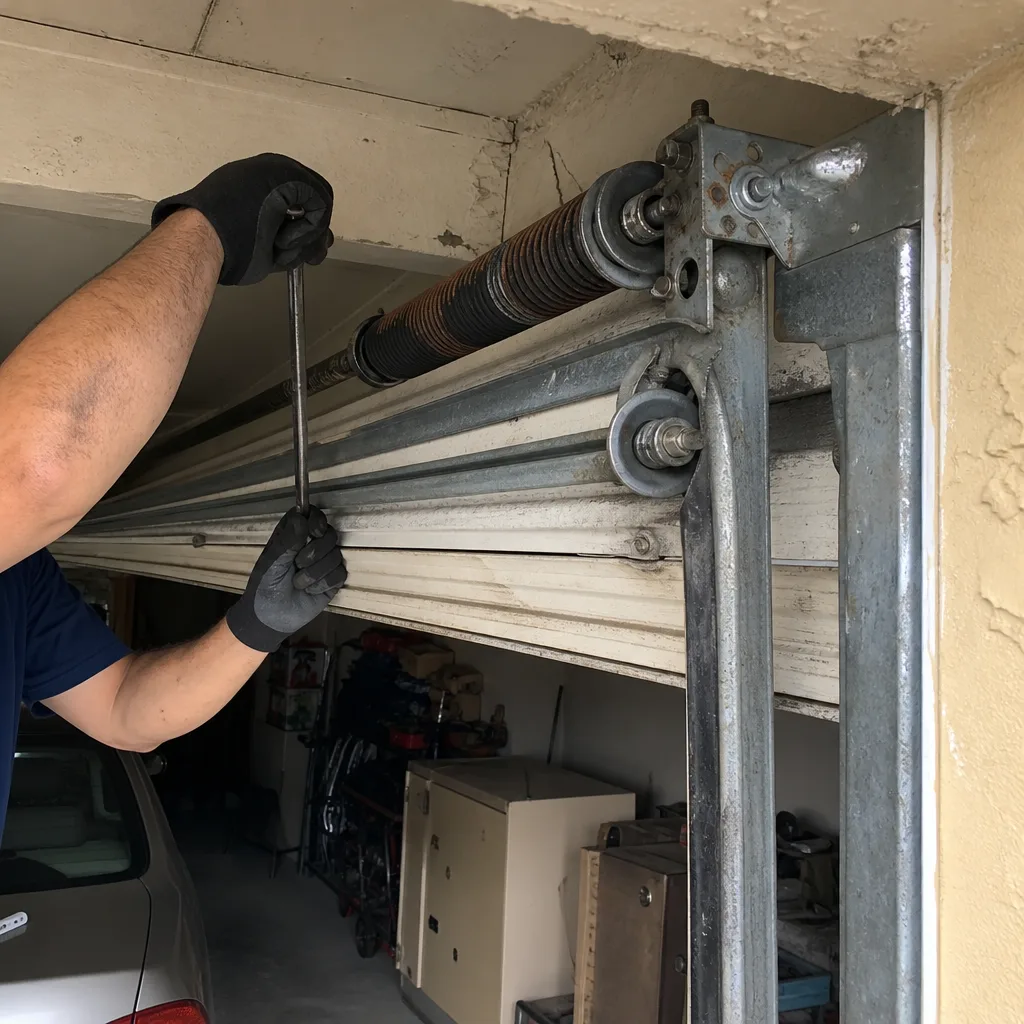 Before
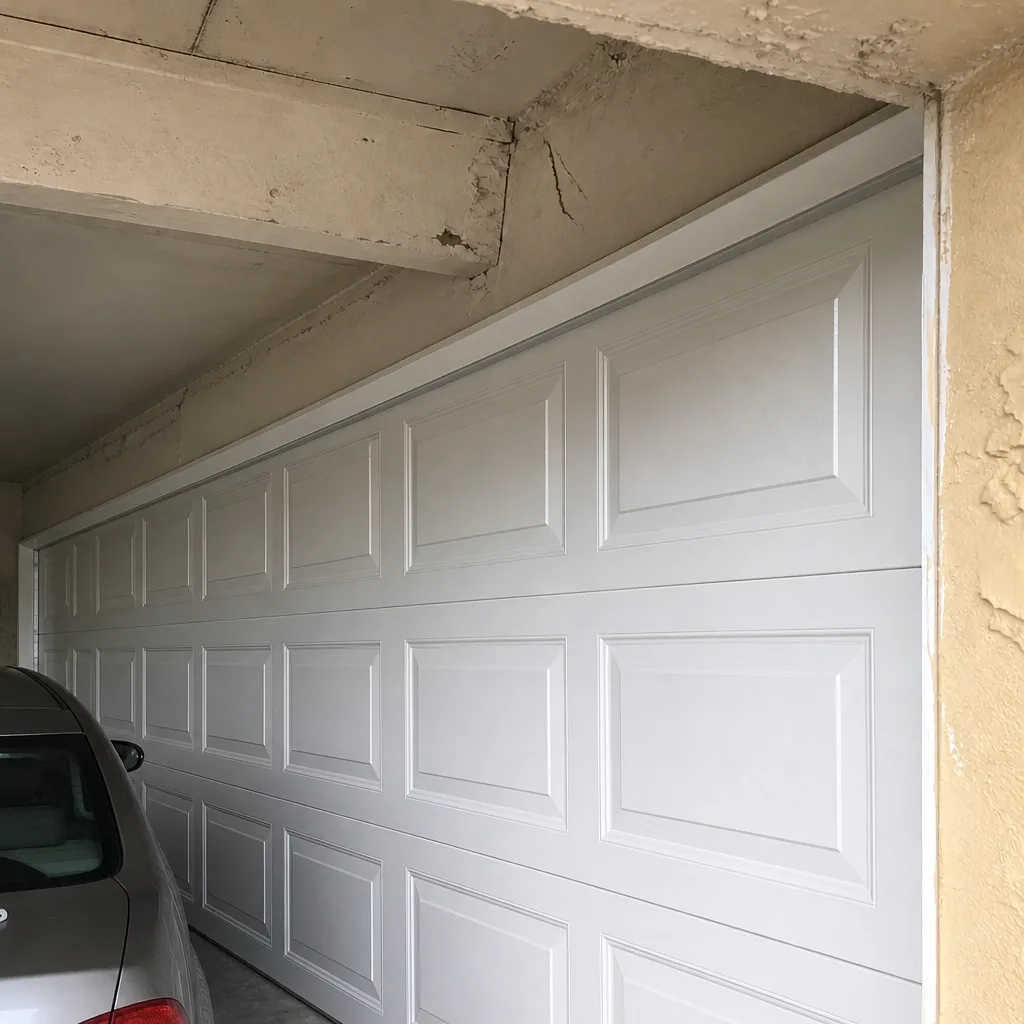 After
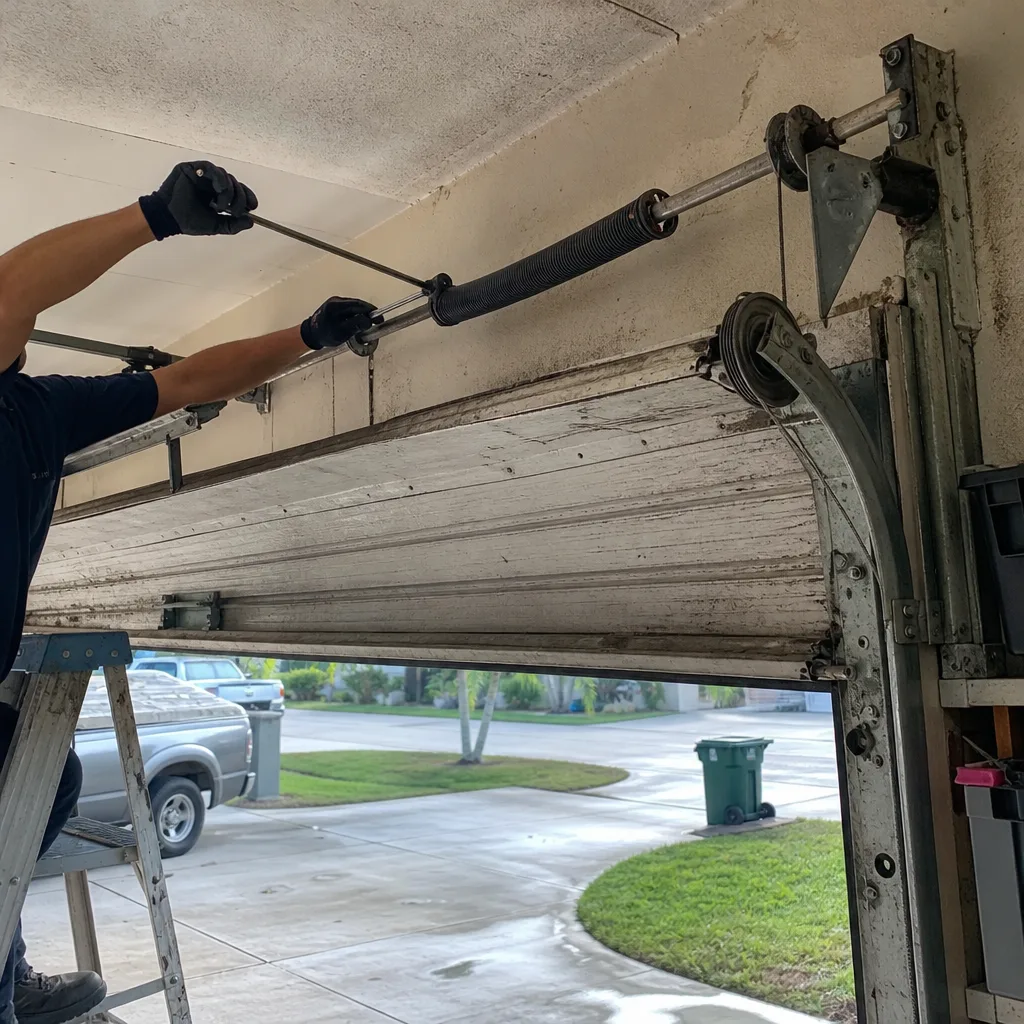 Before
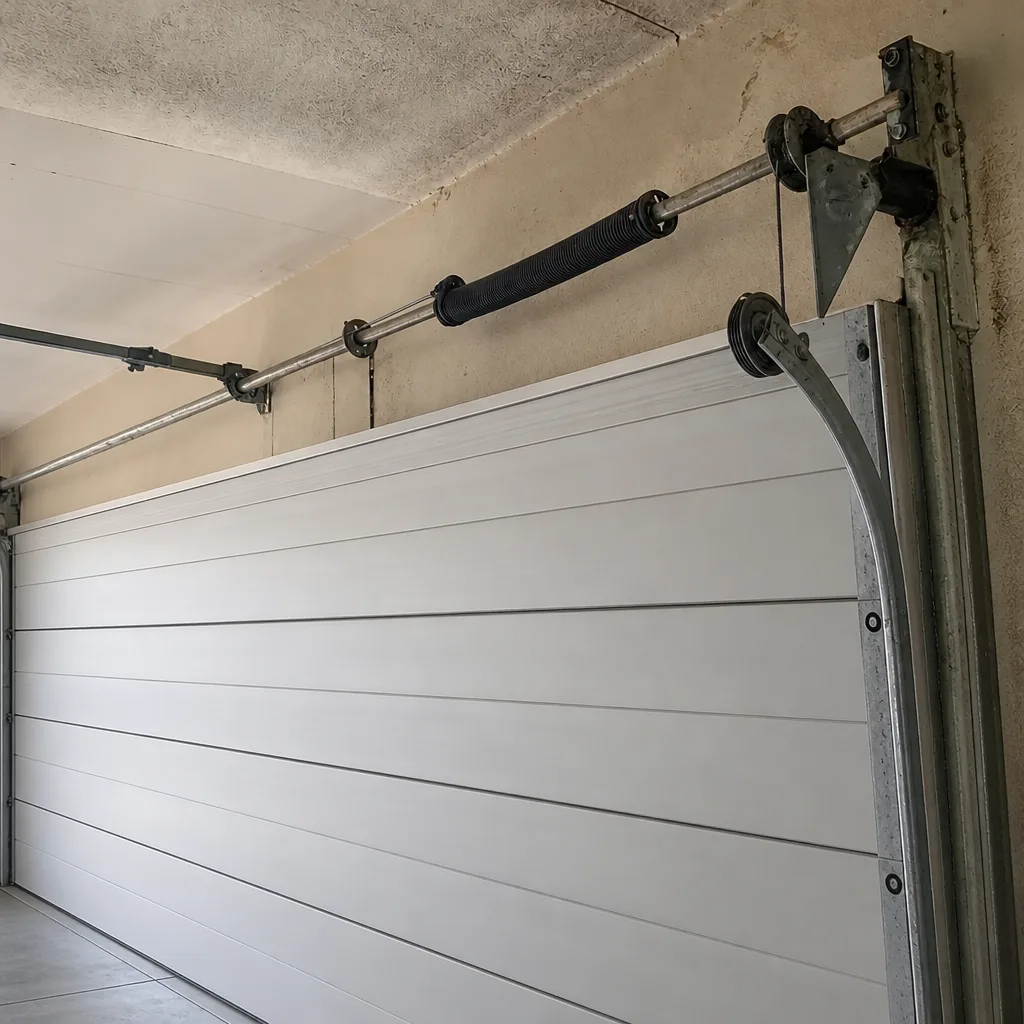 After
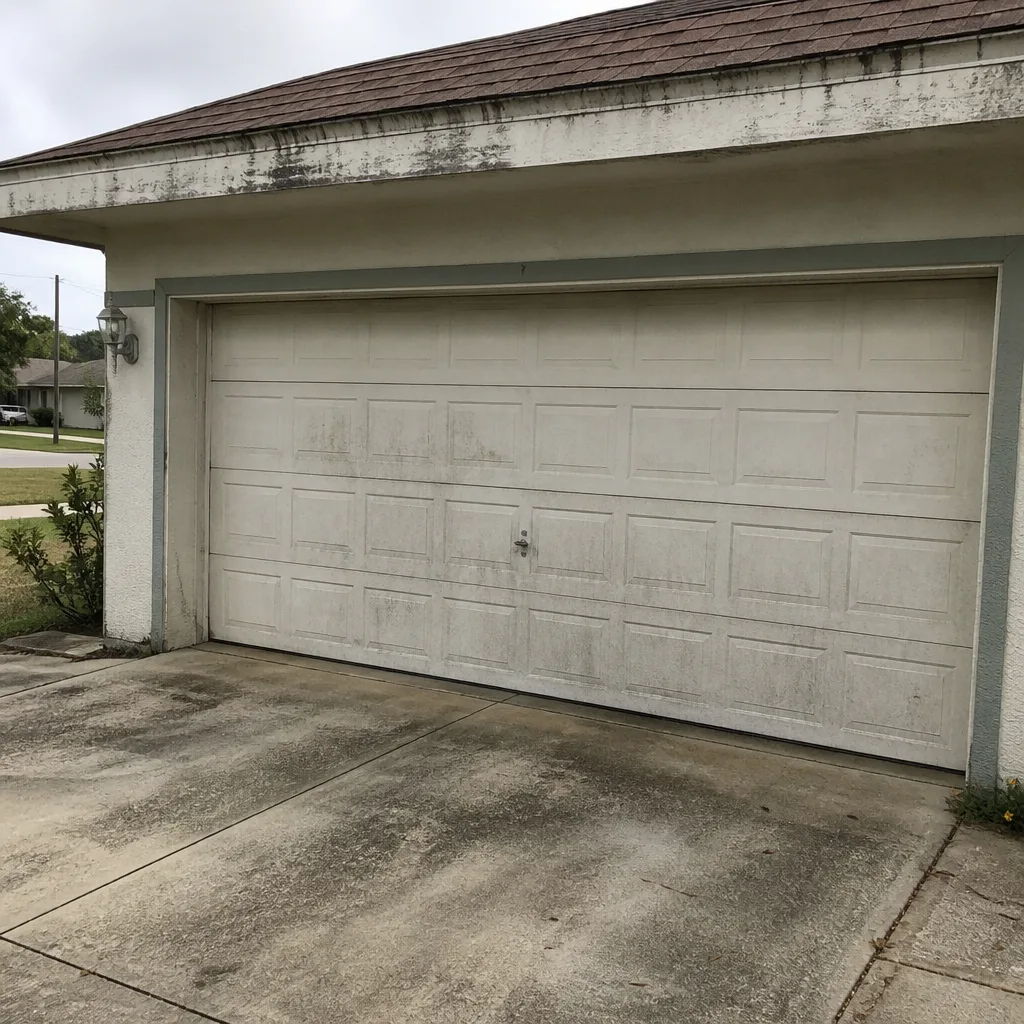 Before
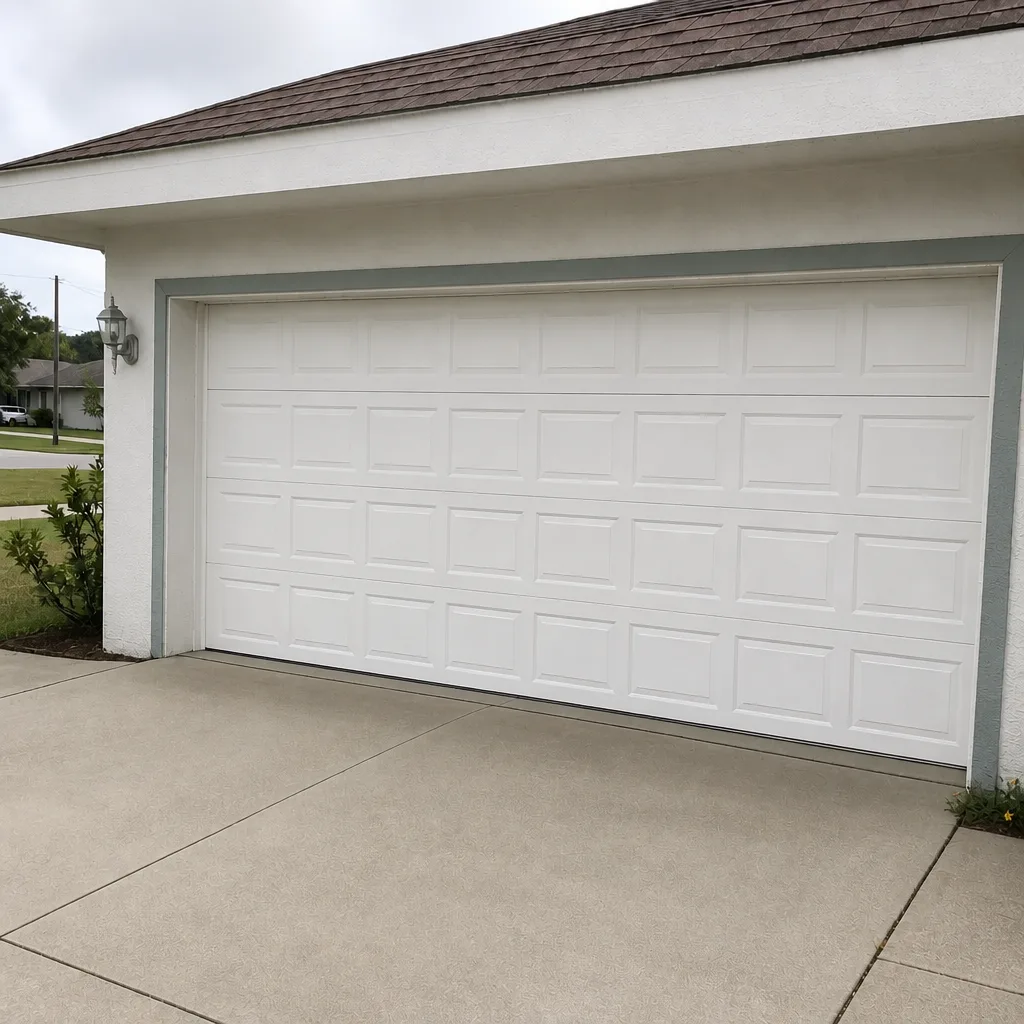 After