
Last updated October 31, 2026
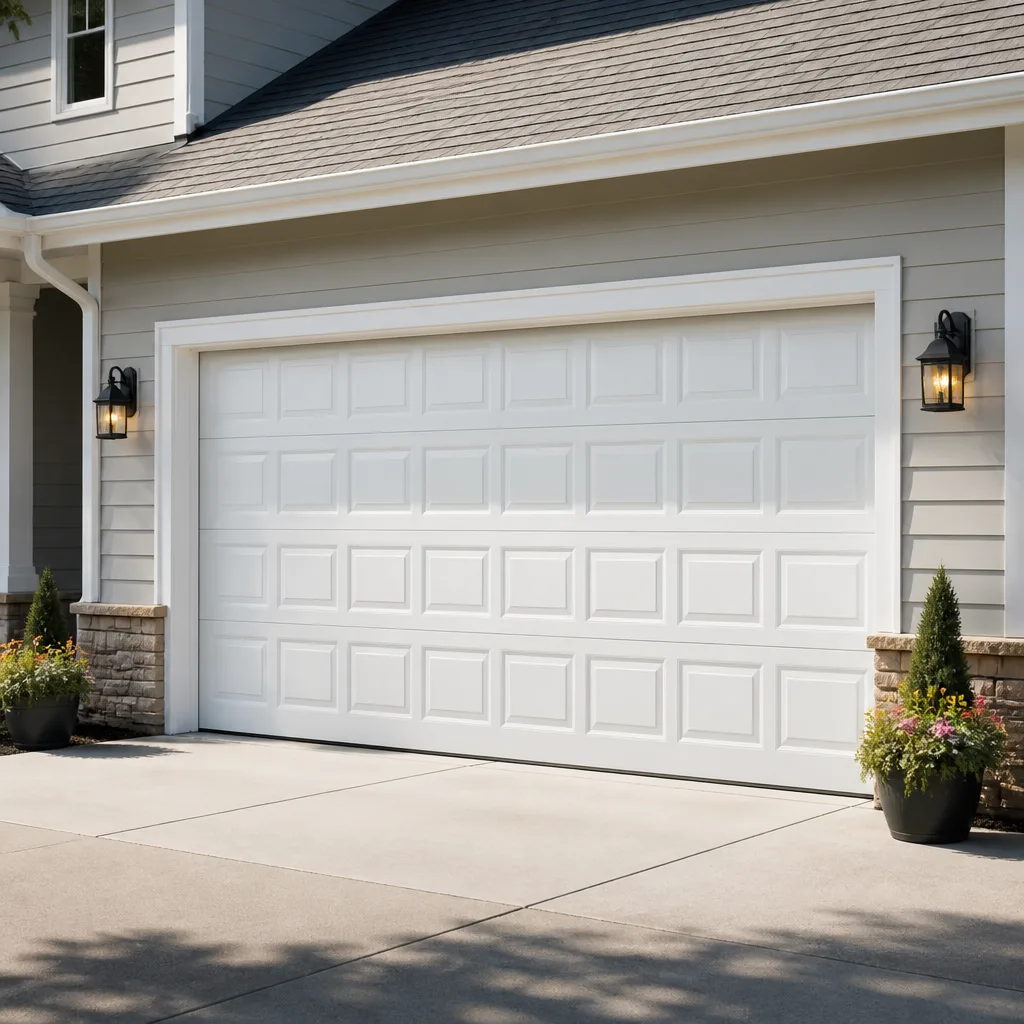 Raised-panel steel
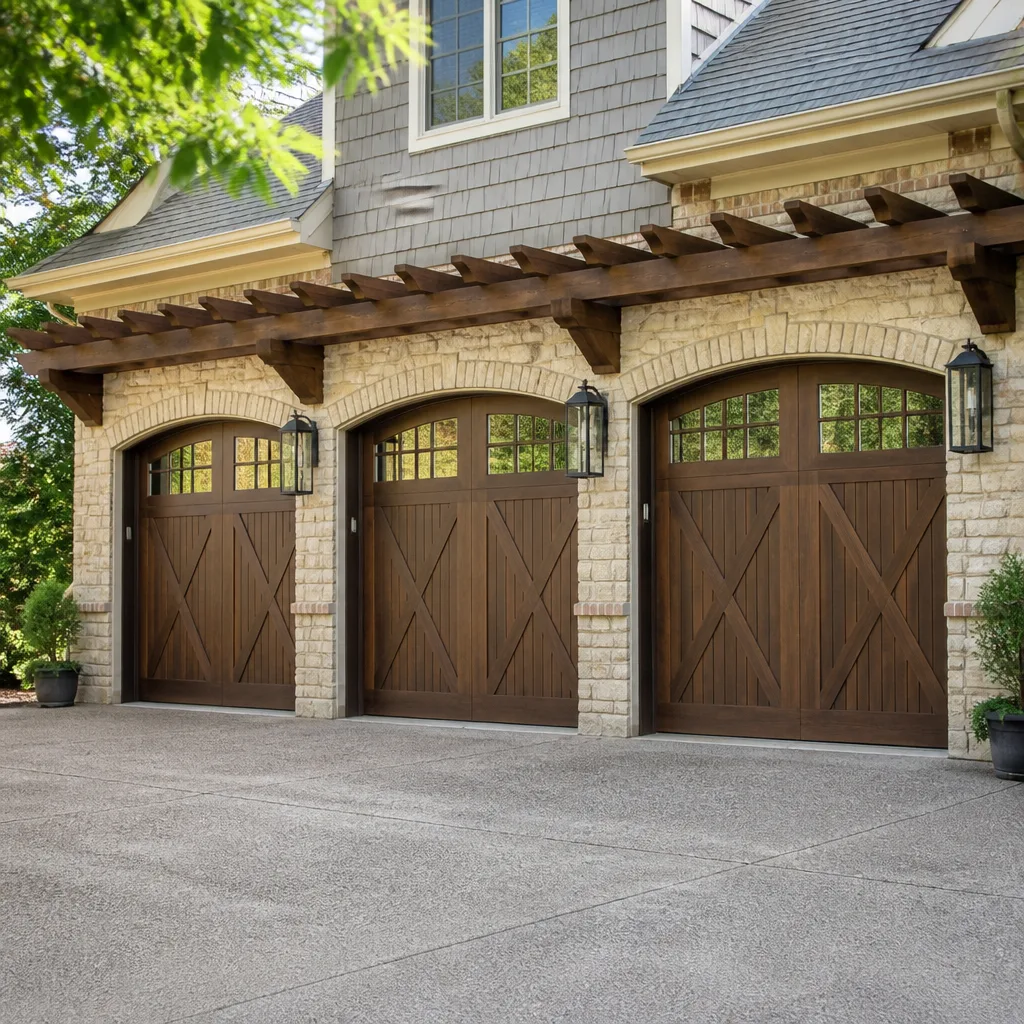 Carriage house
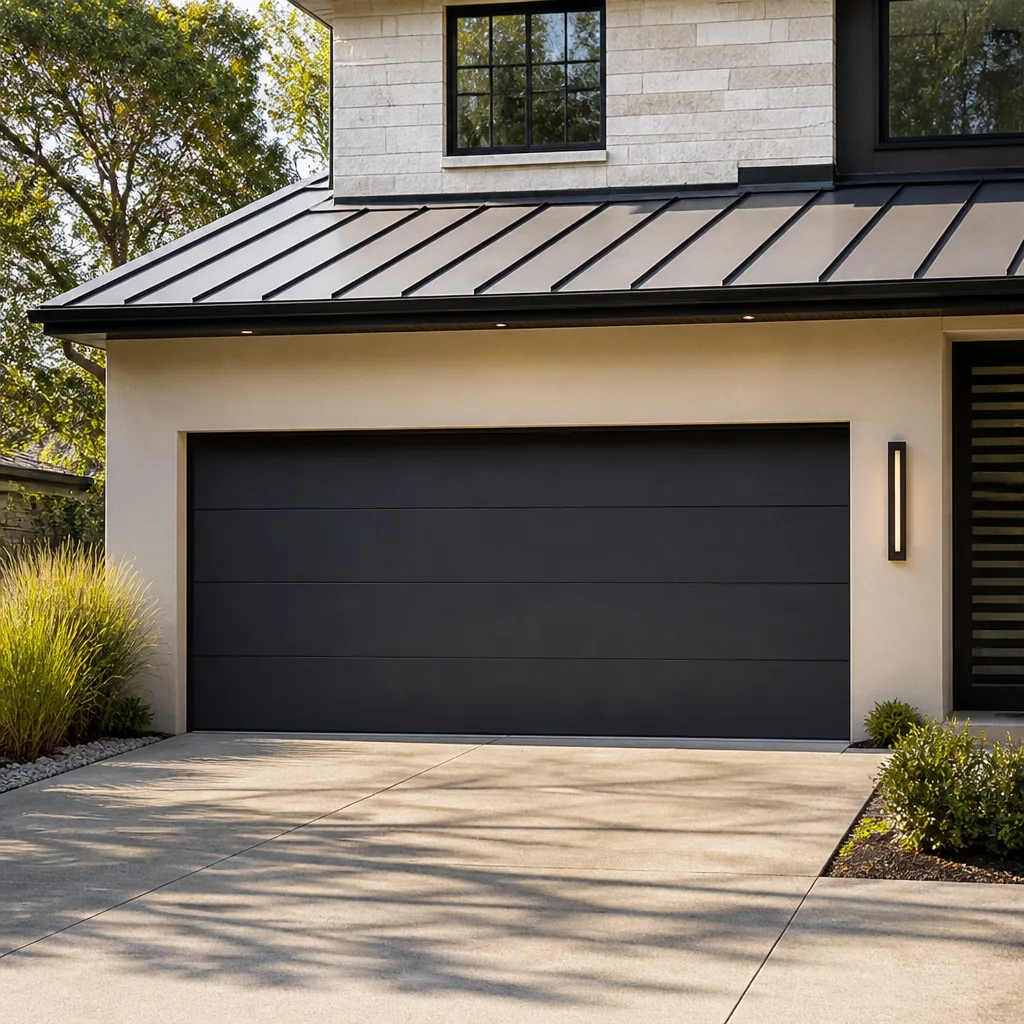 Modern flush
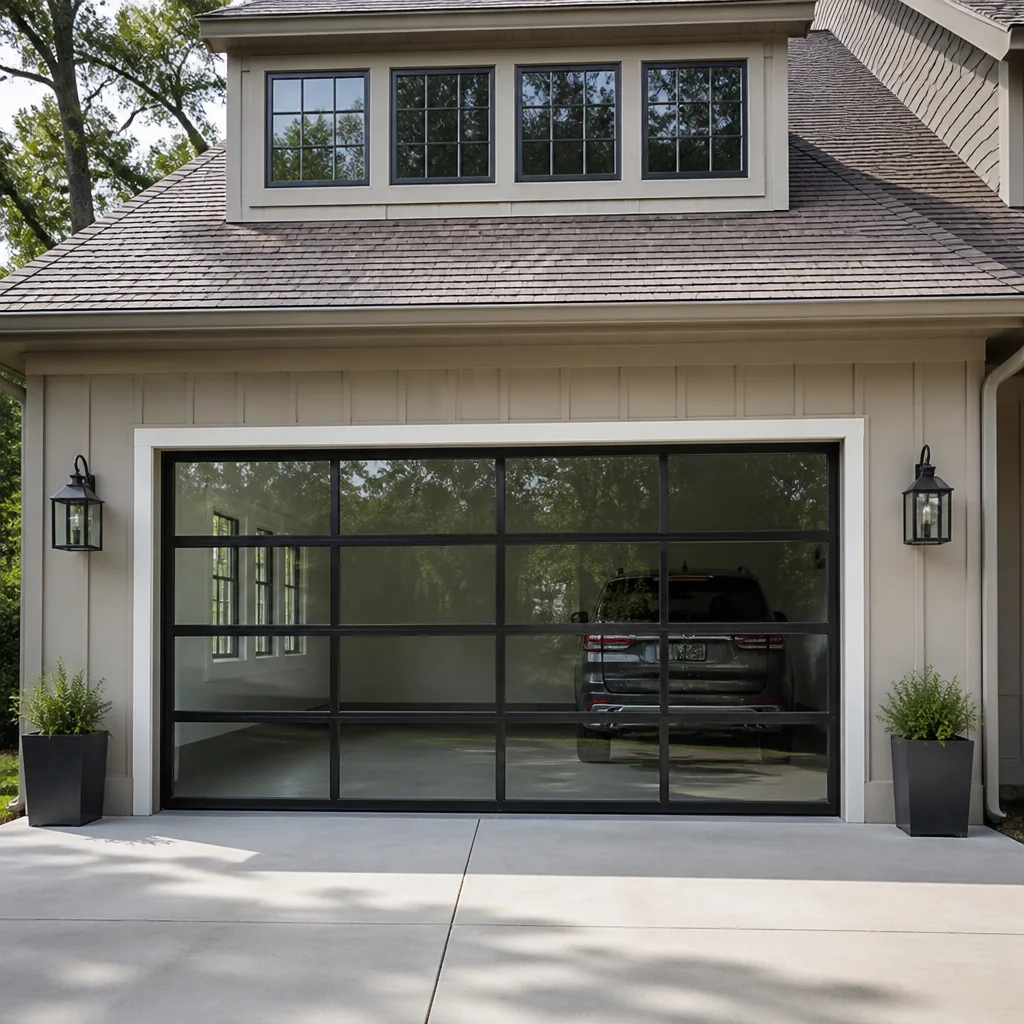 Full-view glass
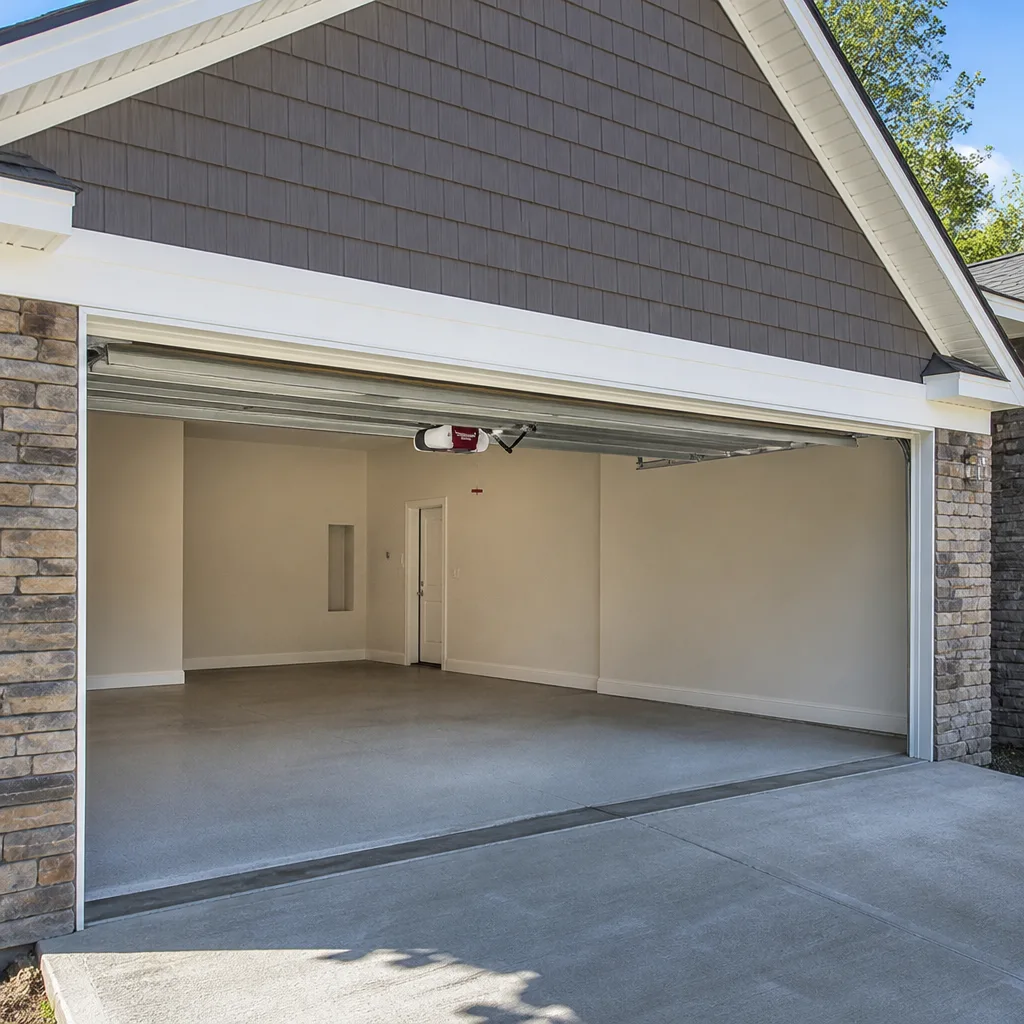 LiftMaster openers
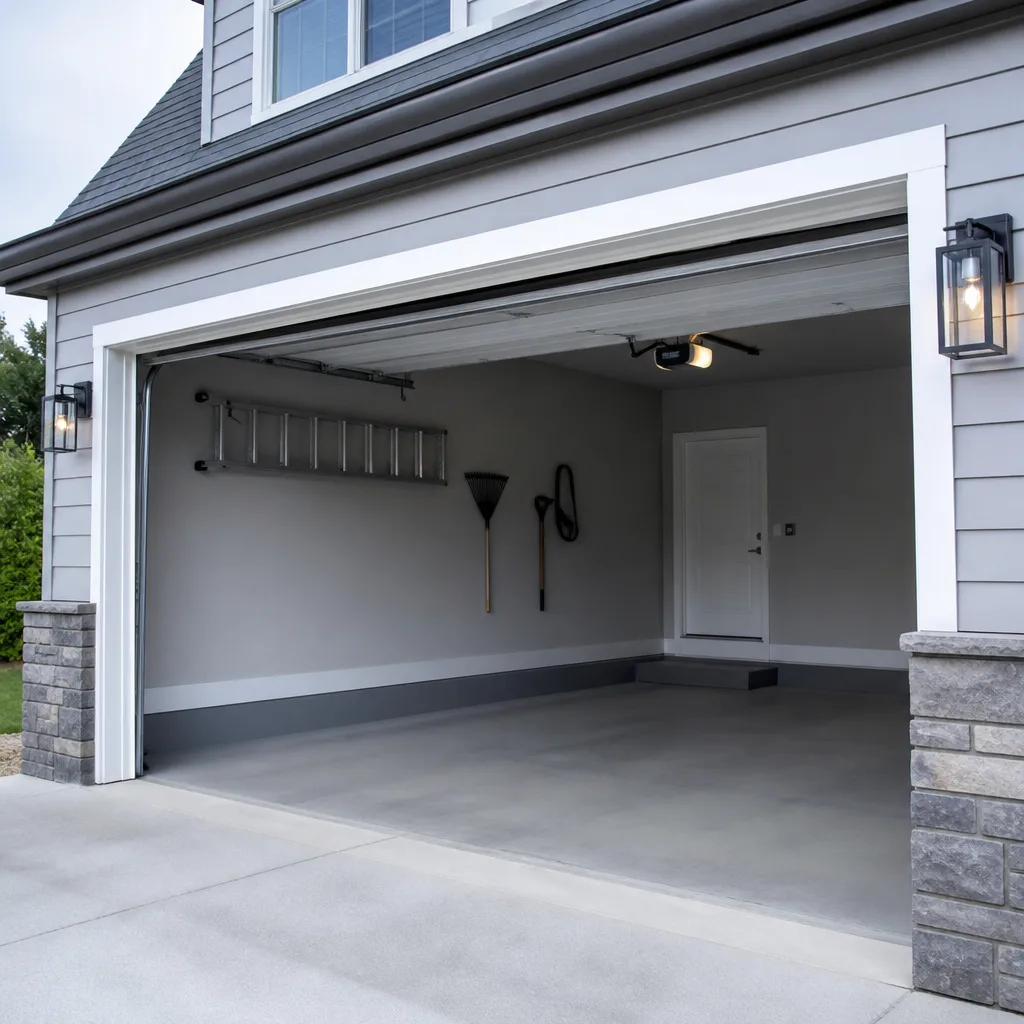 Chamberlain openers
Full 25-point door and opener safety check with every visit - springs, cables, rollers, tracks, and your LiftMaster or Chamberlain opener included
You get a price before we start. It does not change when the truck arrives.
Get your free estimateSeasonal Garage Door Care for Fort Myers: Year-Round Homeowner’s Guide
Lubricating your garage door springs in October makes sense in Chicago. In Fort Myers, October is when you should be checking whether your hurricane-season humidity warped your bottom seal and whether your storm-rated panels are still properly tensioned after six months of daily use. Southwest Florida doesn’t run on a four-season calendar. It runs on dry season, hurricane season, and two shoulder periods in between, each of which stresses your garage door in a completely different way. This guide to garage door in Fort Myers walks through what actually happens month by month, what you can handle yourself, and what’s better left to someone who works on doors every day.
Styles & brands we work with
- Raised-panel steel
- Carriage house
- Modern flush
- Full-view glass
- LiftMaster openers
- Chamberlain openers
Quick Answer
Seasonal garage door care in Fort Myers means three things: a pre-hurricane inspection in May, a mid-season humidity check in August, and a post-storm evaluation in November. During dry season from December through March, cooler temperatures change spring tension and require minor adjustments. A homeowner who follows this calendar will typically spend about 90 minutes per year on maintenance and avoid most mid-season breakdowns.
Table of Contents
- Why Fort Myers Doesn’t Follow a Four-Season Maintenance Calendar
- Dry Season Care: December Through March
- The April Transition: What Changes Before Hurricane Season
- Pre-Hurricane Season Prep: May
- The Mid-Season Check: August Humidity and Daily Wear
- Post-Season Evaluation: November
- A Month-by-Month Maintenance Calendar for Fort Myers
- Common Mistakes to Avoid
- When to Call a Professional
- Frequently Asked Questions
- The Bottom Line
Why Fort Myers Doesn’t Follow a Four-Season Maintenance Calendar
Most garage door repair guides for Fort Myers online were written for climates with freeze-thaw cycles, road salt, and snow-load concerns. None of those apply in Fort Myers, and following that advice can actually cause problems. A homeowner here who follows a Minnesota maintenance schedule will lubricate at the wrong time, ignore the wrong components, and miss the two months that genuinely matter: May and November.
What Southwest Florida actually has is a coastal subtropical climate with three distinct stress patterns. From June through November, high humidity and afternoon thunderstorms keep steel components in constant contact with moisture. From December through March, the dry season brings cooler nights and warm afternoons, which causes metal components to contract and expand daily. And from April through May, the transition period brings rising temperatures and the first serious storm activity, which is when existing weaknesses in doors get exposed fast.
In our experience working on garage doors across Fort Myers, we see the same pattern every year. Doors that run smoothly all dry season start binding in April. Weatherstripping that looked fine in March is cracked and brittle by August. And springs that were never inspected before hurricane season become the most common mid-July emergency call.
Dry Season Care: December Through March
The dry season in Fort Myers is the easiest time to work on a garage door. Low humidity means metal components aren’t fighting moisture, and temperatures are mild enough that springs and cables stay within their designed operating range. But the dry season creates its own specific issues that most homeowners miss until the door starts acting up.
Cooler nighttime temperatures cause metal garage door springs to contract. When springs contract, they exert slightly more tension on the door, which means a door that was perfectly balanced in August can feel stiff or jerky in January. This isn’t a defect. It’s physics. When the metal warms back up in the afternoon, the tension evens out. But over the course of a dry season, that daily expansion and contraction cycle can expose worn springs that were already near the end of their service life.
Here’s what to check during dry season months:
- Listen for changes in spring noise. A spring that squeaks more in January than it did in November is telling you something. Lubricate it with a silicone-based spray designed for garage doors, and if the noise persists, have a professional check the spring’s condition.
- Watch how the door moves when it’s cold. If the door hesitates or jerks in the first foot of travel on a cool morning, but smooths out later in the day, your springs are nearing the end of their life. This is the single most reliable early warning sign we see in Fort Myers.
- Check the balance manually. Pull the release handle when the door is closed, then lift the door manually to about waist height. It should stay put. If it drops or rises, the springs need adjustment. This is a safe test to perform yourself, though any spring adjustment itself should be left to a trained technician.
- Inspect the bottom seal for dry rot. Dry season air pulls moisture out of rubber components. A bottom seal that was pliable in October can crack by February, especially on doors that face direct afternoon sun.
One more dry season consideration: this is the best time of year to schedule any repair or replacement work you’ve been putting off. Temperatures are comfortable, humidity is low, and you’re not competing with hurricane-season emergencies for technician availability. If your door has been making a sound you don’t like, get it looked at before May.
The April Transition: What Changes Before Hurricane Season
April in Fort Myers is when the dry season starts giving way to the first hints of the wet season. Humidity climbs, afternoon temperatures push into the high 80s, and the first scattered thunderstorms begin rolling through. This transition period is when garage door problems that have been dormant for months suddenly become visible.
What’s happening mechanically is simple: wood components swell, metal components expand, and rubber components soften. A door that was perfectly aligned during the dry season can start binding as the humidity rises. Rails that were clean in February develop surface rust within weeks if they aren’t protected. And cables that were under spec all winter start showing visible wear as the extra moisture softens the protective coating.
April is the month to address three specific things before hurricane season arrives:
- Lubricate everything that moves. Rollers, hinges, springs, and the opener chain or belt. Use a dedicated garage door lubricant, not WD-40. WD-40 is a solvent that removes old lubricant and leaves components drier than before. Apply to metal rollers, hinge pins, and the spring coils, then run the door through a full cycle to distribute the lubricant.
- Tighten what the dry season loosened. Temperature swings cause bolts and fasteners to work loose. Check the bolts on the door brackets, the track mounts, and the opener rail. A loose track bolt in April becomes a derailed door in August.
- Check the weatherstripping along the sides and top. The side seals are what keep wind-driven rain from blowing into your garage during afternoon thunderstorms. If they’re cracked, peeling, or pulling away from the frame, replacing them now is a lot cheaper than drying out a wet garage in July.
For homeowners in Fort Myers who aren’t sure what condition their weatherstripping is in, a simple test: stand inside the garage with the door closed and look for daylight around the edges. If you can see light, water and bugs can get in too.
Pre-Hurricane Season Prep: May
Hurricane season officially starts June 1, and May is the month to get your garage door ready. This isn’t a quick once-over. The garage door is the largest opening in most Fort Myers homes, and if it fails during a storm, the wind pressure entering the garage can blow out the roof. That’s not an exaggeration. It’s the single most common structural failure pattern in hurricane-damaged homes, and it starts with an unprepared garage door.
Here’s the pre-season checklist we recommend for every Fort Myers homeowner, ideally completed by mid-May:
- Verify your door is hurricane-rated. Since 2002, Florida building code has required new and replacement garage doors in Fort Myers to be rated for wind loads. If your door was installed before that, or if you bought the home from a previous owner who installed a door themselves, you may not have a rated door. Look for a label on the door panel or check your home’s original permit records. If you can’t verify the rating, get a professional assessment.
- Test every component under normal operation. Open and close the door three times. Listen for grinding, watch for hesitation, and observe whether the door sits evenly at the closed position. Any irregularity now will be magnified under storm stress.
- Check the garage door’s storm bracing systems. Many Fort Myers homes have either vertical bracing kits or horizontal reinforcement struts. If yours has them, confirm they’re properly installed and not corroded. If your door is rated but doesn’t have added bracing, consider installing a bracing kit before the season peaks.
- Document everything. Take photos of your door, your opener, and the condition of the panels, seals, and hardware. If a storm does damage your door, having dated pre-season photos makes the insurance process significantly smoother. We tell every customer this, and the ones who’ve been through a claim all say the same thing: they wish they’d taken better photos.
- Verify the opener’s battery backup. If you have a LiftMaster or Chamberlain opener with a battery backup, test it in May. Power outages during summer storms are common in Fort Myers, and a dead backup battery is a rude discovery at 2 a.m. in the middle of a storm.
One more May task: check your garage door opener’s force settings. Modern LiftMaster, Chamberlain, and Genie openers have adjustable sensitivity that controls how much force the opener exerts before reversing. If your door has gotten slightly heavier (due to warping or worn rollers), the opener may need the force setting adjusted upward slightly. That’s a simple fix, but it’s one of those adjustments that’s safer to have done by someone who works on openers regularly. A door that reverses for no reason in May will be a door that won’t close at all in August.
If any of this sounds like more than you want to tackle, Fort Myers Garage Door Service home offers a full pre-season inspection that covers every item on this list. We work on all major brands including LiftMaster, Chamberlain, Genie, Clopay, and Amarr, so whatever opener or door you have, we’re equipped to evaluate it.
The Mid-Season Check: August Humidity and Daily Wear
By August, Fort Myers has been through two months of daily afternoon thunderstorms, 90-degree heat, and relentless humidity. This is when garage doors that were fine in May start showing the accumulated effects of constant moisture and heavy use.
The most common mid-season issue we see is roller degradation. Garage door rollers have ball bearings inside that are packed with grease. After months of high humidity, that grease breaks down and the bearings start grinding. A roller that fails completely can cause the door to jerk, bind, or come off its track. Nylon rollers with sealed bearings hold up better in Fort Myers humidity than metal rollers, but they still need periodic inspection. Listen for a gritty, grinding sound when the door moves. That’s a roller failing.
Weatherstripping is the other component that takes a beating in August. The bottom seal, which sits in direct contact with the garage floor, absorbs water from every rain event and every wet car that pulls in. By August, a seal that was in good shape in May can be warped, cracked, or pulling away from the retainer channel. This matters because the bottom seal is your primary defense against storm water intrusion. In Fort Myers, where afternoon thunderstorms can drop an inch of rain in 30 minutes, a failed bottom seal means water running under the door and across the garage floor.
August is also when we get the most calls about garage door openers that have stopped responding. High humidity corrodes the contacts on wiring and sensors. Heat causes opener motors to overheat and trip internal thermal protection. And power surges from frequent lightning strikes kill opener circuit boards, especially on older Genie and Chamberlain models. Most of these failures aren’t predictable, but some are preventable. Keep opener housing clean, ensure the unit isn’t exposed to direct sun, and consider adding a surge protector to the opener’s power outlet.
The August check is shorter than the May check, but it catches problems mid-cycle rather than after they become emergencies:
- Open and close the door, listening for new sounds that weren’t there in May.
- Look at the bottom seal from outside the garage with the door closed. Check for gaps, cracks, or areas where the seal isn’t making contact with the floor.
- Check the safety sensor alignment. High humidity can cause sensors to fog or shift. If the door reverses for no reason, wipe the sensor lenses clean and confirm they’re still aligned.
- Inspect rollers for visible flat spots or wobble. Any roller that doesn’t spin freely should be replaced before it causes a bigger problem.
For homeowners in Fort Myers whose door has been making a noise all summer that they’ve been ignoring, August is the time to stop ignoring it. The longer a failing component runs, the more likely it is to take something else with it when it finally gives out. A $40 roller replacement in August prevents a $400 track repair in September.
Post-Season Evaluation: November
Hurricane season officially ends November 30, but by early November, the worst is typically behind us in Fort Myers. This is the month to assess cumulative storm stress on your garage door, even if no named storm made direct landfall. Here’s the thing most homeowners don’t realize: it doesn’t take a hurricane to damage a garage door in Southwest Florida. A full season of afternoon thunderstorms, gusty squalls, and sustained high humidity takes its own toll.
The post-season evaluation starts with a visual inspection of the panels. Look for hairline cracks, especially around panel edges and hinge attachment points. Wind stress flexes panels repeatedly throughout storm season, and that repeated flexing creates stress fractures. A small crack in November becomes a split panel by next June if it’s not addressed.
Next, check the door’s alignment. Wind-driven rain pushes against the door for months, and that pressure can shift tracks and loosen mounts. Close the door and look at the gap between the door and the frame on both sides. The gap should be even top to bottom on both sides. If it varies, the tracks have shifted and need adjustment.
After that, give the springs a test. Follow the same manual balance test described in the dry season section. If the door won’t stay at waist height, the springs have lost tension over the summer and need professional attention. High-tension springs are genuinely dangerous to adjust, and this is not a DIY job. A spring under tension stores enough energy to cause serious injury if it lets go unexpectedly.
Finally, assess the condition of your weatherstripping one more time. The combination of summer heat, UV exposure, and repeated wetting has aged every rubber component on your door. If the weatherstripping survived May through October, it gave you a full season of service. Replace it now, and you’ll start next year’s storm season with a full defense in place.
November is also the month to schedule any post-season repairs. Technicians in Fort Myers are less swamped in November than they are during peak storm-emergency call volume, which means faster scheduling and more flexibility. If your post-season evaluation turned up anything you’re not comfortable fixing, don’t wait until next May to address it.
A Month-by-Month Maintenance Calendar for Fort Myers
If you’re the kind of homeowner who likes a checklist, here’s the entire Fort Myers garage door year on one page. This is the calendar we’d give to a family member who just bought a home in the area:
January
- Manually test door balance (lift to waist height, confirm it holds).
- Lubricate rollers, hinges, and springs with silicone spray.
- Check for any changes in door noise that started with cooler weather.
February
- Inspect bottom seal for dry rot and cracking from low humidity.
- Tighten all visible bolts on brackets and track mounts.
- If you’ve been putting off a repair, this is the best month to schedule it.
March
- Test opener safety reversal (place a 2×4 under the door, close, confirm reversal).
- Check sensor alignment.
- Clean the opener’s exterior housing and vents.
April
- Lubricate all moving components more thoroughly than the winter pass.
- Replace any weatherstripping that failed during dry season.
- Check for rust forming on hardware as humidity climbs.
May
- Complete the full pre-hurricane season checklist (detailed in the section above).
- Test battery backup on opener if equipped.
- Document everything with photos for insurance purposes.
- Verify hurricane rating on door if no records exist.
June
- Monitor door performance during first storms of the season.
- Check for water intrusion around door edges after heavy rain.
- Listen for new sounds that appear when the door is wet.
July
- Inspect rollers for wear (heat and humidity are hardest on rollers).
- Check bottom seal for swampy conditions or standing water contact.
- Confirm opener force settings are still appropriate (door heavier when humid).
August
- Perform the mid-season check described in full above.
- Clean safety sensor lenses.
- Verify weatherstripping is still intact and making contact.
September
- Peak hurricane month. No routine maintenance. Address any urgent issues immediately.
- Know where your manual release cord is and confirm it works, in case of extended power outage.
October
- Continue monitoring door during late-season storm activity.
- Check for panel cracks that may have started during summer wind stress.
- Listen for roller noise that has developed over the season.
November
- Perform the full post-season evaluation described above.
- Replace weatherstripping for the coming dry season.
- Schedule any repairs identified during inspection.
December
- Light month. If the door is silent and balanced, enjoy it.
- Check batteries in remote controls and keypads.
- Consider this a reset point for the year ahead.
This calendar works for any garage door brand. Whether you have a Raynor door with a Chamberlain opener, or a Wayne Dalton door with a LiftMaster opener, the climate stressors are the same. But one thing worth noting: different brands do have different common failure patterns. Raynor doors tend to hold up well in humidity but their older models had weaker bottom seals. Chamberlain openers from the last decade have a known weak point in their capacitor. If you’re not sure what to watch for on your specific setup, an inspection from someone who works on all the major brands – rather than someone who only sells one – tends to be more honest about what to watch for.
If you’re in Fort Myers and need a professional opinion on any of this, Garage Door Repair in Port LaBelle covers the same seasonal inspection and repair work for homeowners just east of Fort Myers. We service the entire area with the same multi-brand approach.
Common Mistakes to Avoid
- Using WD-40 as a lubricant. It’s a solvent, not a lubricant. It strips away existing grease and leaves components drier than they started. Use a dedicated garage door lubricant or white lithium grease.
- Ignoring small sounds in May. That faint squeak or grind will not go away on its own. It will become an August emergency. Address new noises the week they appear, especially before hurricane season ramps up.
- Skipping the bottom seal inspection. In Fort Myers, the bottom seal is your single most important defense against water intrusion. It’s also the most commonly neglected component on residential garage doors. Check it every two months during hurricane season.
- Assuming a new door is hurricane-rated. Not all doors sold in Florida meet the wind-load requirements for Fort Myers. Confirm the rating before installation, and if you inherited a door from a previous owner, verify it with a professional.
- Adjusting spring tension yourself. Garage door springs under tension hold enough stored energy to cause severe injury. This is the one task on this page that is never a DIY job. Call a professional.
- Waiting until the door stops working to schedule service. By the time a garage door won’t open or close at all, the repair is almost always more expensive than it would have been if caught earlier. An inspection costs less than a spring replacement, and a spring replacement costs less than a new panel after a failed spring lets the door slam.
- Treating hurricane season prep as optional in years without a named storm. Fort Myers hasn’t been hit directly in a given year more often than it has. But the worst damage happens in the years when residents let their guard down. Do the May checklist every year, no exceptions.
When to Call a Professional
Some garage door maintenance is genuinely DIY-friendly: lubricating rollers, tightening bolts, checking seals, testing balance. For more guides & resources, see our blog. Other situations call for a trained set of hands, and knowing the difference is part of being a responsible homeowner in Fort Myers.
Call a professional if your door is off its track by any amount. If a cable is frayed or has visible strands breaking. If a spring is broken or visibly deformed. If the opener is making a grinding sound that persists after lubrication. If the door falls quickly when you release it manually. If you can see daylight through cracks in the panels. If your safety reversal test fails. Or if your opener is one of those units that’s old enough that the manufacturer no longer makes replacement parts.
Fort Myers Garage Door Service offers free estimates in Fort Myers. We work on whatever brand is on your garage: LiftMaster, Chamberlain, Genie, Clopay, Amarr, Wayne Dalton, Craftsman, or Raynor. Opener acting up? That’s a specialty, not a side job. Call (833) 589-8278 to schedule an inspection or get a quote.
Frequently Asked Questions
Twice a year, minimum, and ideally three times if you use the door heavily. The best months for Fort Myers are April (before hurricane season), August (mid-season, when humidity is highest), and January (dry season, when cooler temps make components stiff). Use a silicone-based garage door lubricant on rollers, hinges, and springs. Avoid WD-40. If you’re not sure what to use, call (833) 589-8278 and we can point you to the right product for your specific door.
Yes. Hurricane damage to garage doors isn’t about flooding. It’s about wind pressure. A garage door that fails under sustained wind allows pressure into the garage, which can lift the roof. This is a structural issue that affects every Fort Myers home, not just homes near the coast. The May checklist in this guide takes less than an hour and could prevent catastrophic damage.
Garage door spring replacement in the Fort Myers area typically runs between $180 and $340 for a standard torsion spring pair, including labor. That’s the range we see most often for residential doors. The exact price depends on the door’s weight, the type of spring, and whether other components need attention at the same time. For an exact quote on your specific door, call (833) 589-8278. Estimates are free.
Yes, bottom seal replacement is one of the more DIY-friendly garage door tasks, and it’s something every Fort Myers homeowner should learn. The old seal slides out of the retainer channel, the new one slides in. The key is getting the right width for your specific door, which varies by brand. If you have a Raynor, Clopay, or Amarr door and you aren’t sure which seal fits, bring a small piece of the old seal to a supplier or call us for guidance.
Roller failure caused by humidity. High moisture breaks down the grease inside roller bearings, which leads to grinding, binding, and eventual derailment. We replace more worn rollers during June through September than any other component. The good news: roller replacement is relatively inexpensive, and catching it early prevents a much more expensive track repair later.
It depends on the opener and the specific problem. Older Chamberlain and LiftMaster openers from the belt-drive era are often worth repairing if the issue is a capacitor, gear, or sensor. Older Genie screw-drive models have fewer moving parts and can run for a long time with basic maintenance. But if the circuit board fails on an older unit, replacement is usually the smarter investment because the new openers have better security features and battery backup options. We evaluate opener repairs honestly: we recommend what fits your home, not what’s easiest for us to sell. Call (833) 589-8278 for an assessment.
Opener repair is one of our three core services alongside garage door repair and installation. It’s a dedicated specialty, not a side project that we hope works out. We diagnose and repair openers from LiftMaster, Chamberlain, Genie, and other major brands, including motor issues, sensor problems, gear failures, and programming. If you’re in the Port LaBelle area, Garage Door Opener Repair in Port LaBelle is available through our team.
The Bottom Line
Garage door maintenance in Fort Myers isn’t about following a generic four-season calendar. It’s about understanding that this climate punishes different components at different times of year, and that the two most important months for proactive care are May and November. A homeowner who does the pre-season inspection in May, the mid-season check in August, and the post-season evaluation in November will rarely deal with a surprise breakdown. The door will last longer, the repairs will cost less, and the house will be better protected in a storm. From a broken spring to a full new door, one call covers it: Garage Door Installation in Port LaBelle and repair service is available across the area. Call (833) 589-8278 for a free estimate, and get your door ready for whatever Southwest Florida’s climate sends next.
Written by the team at Fort Myers Garage Door Service, serving Fort Myers since 2015.
See the difference
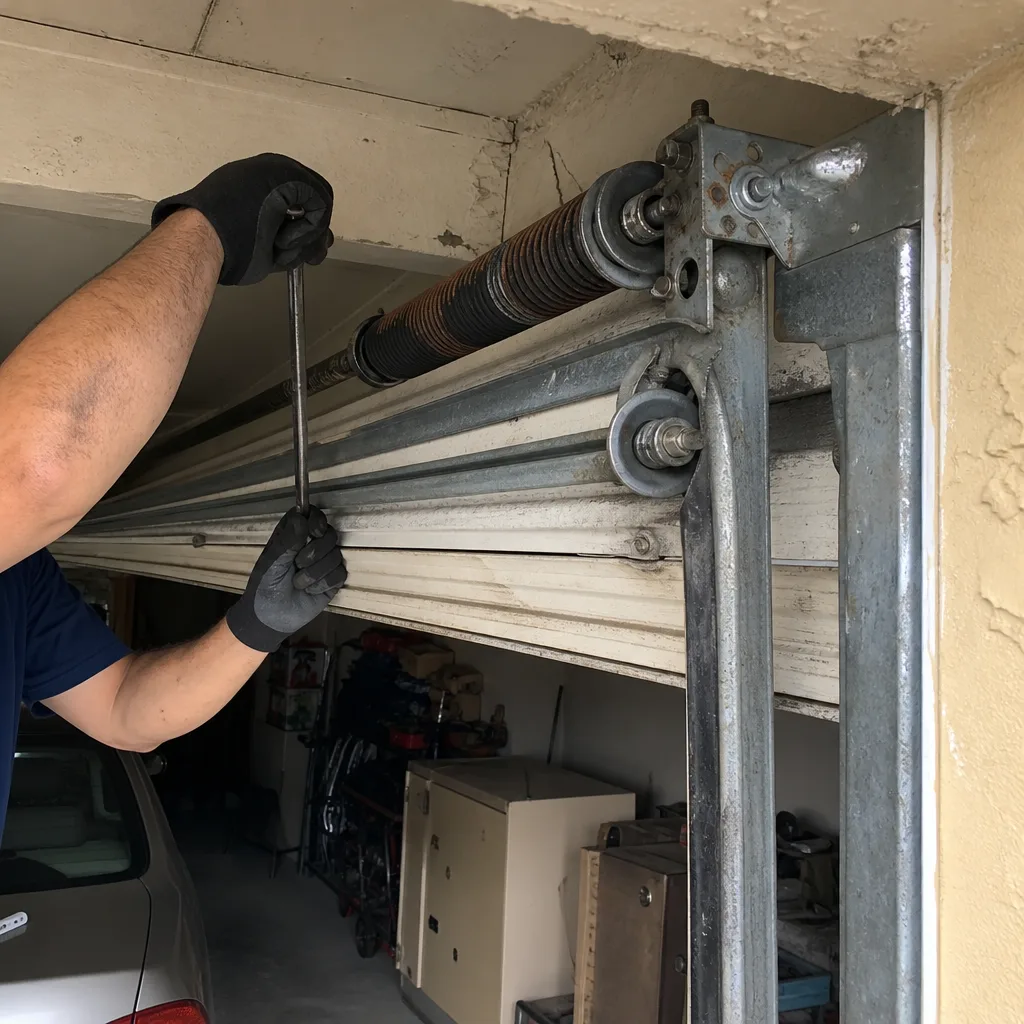 Before
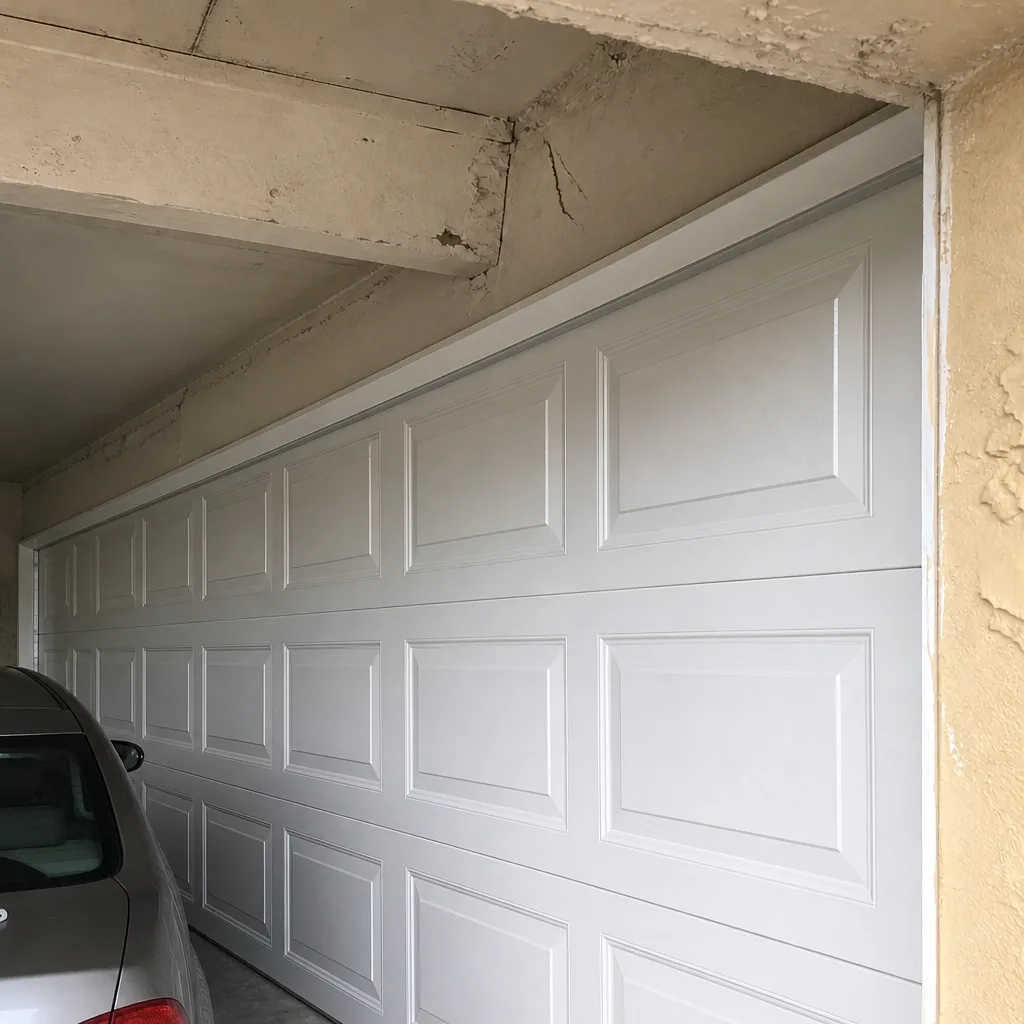 After
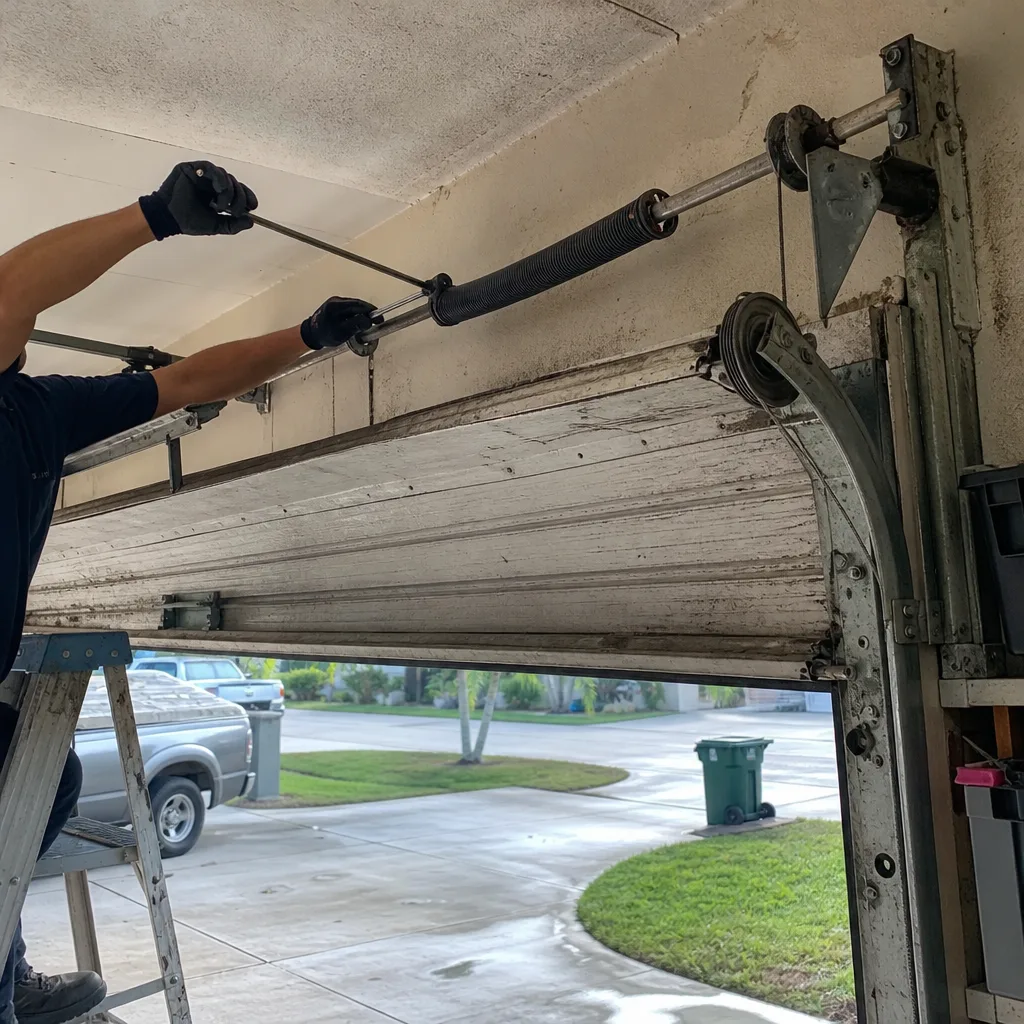 Before
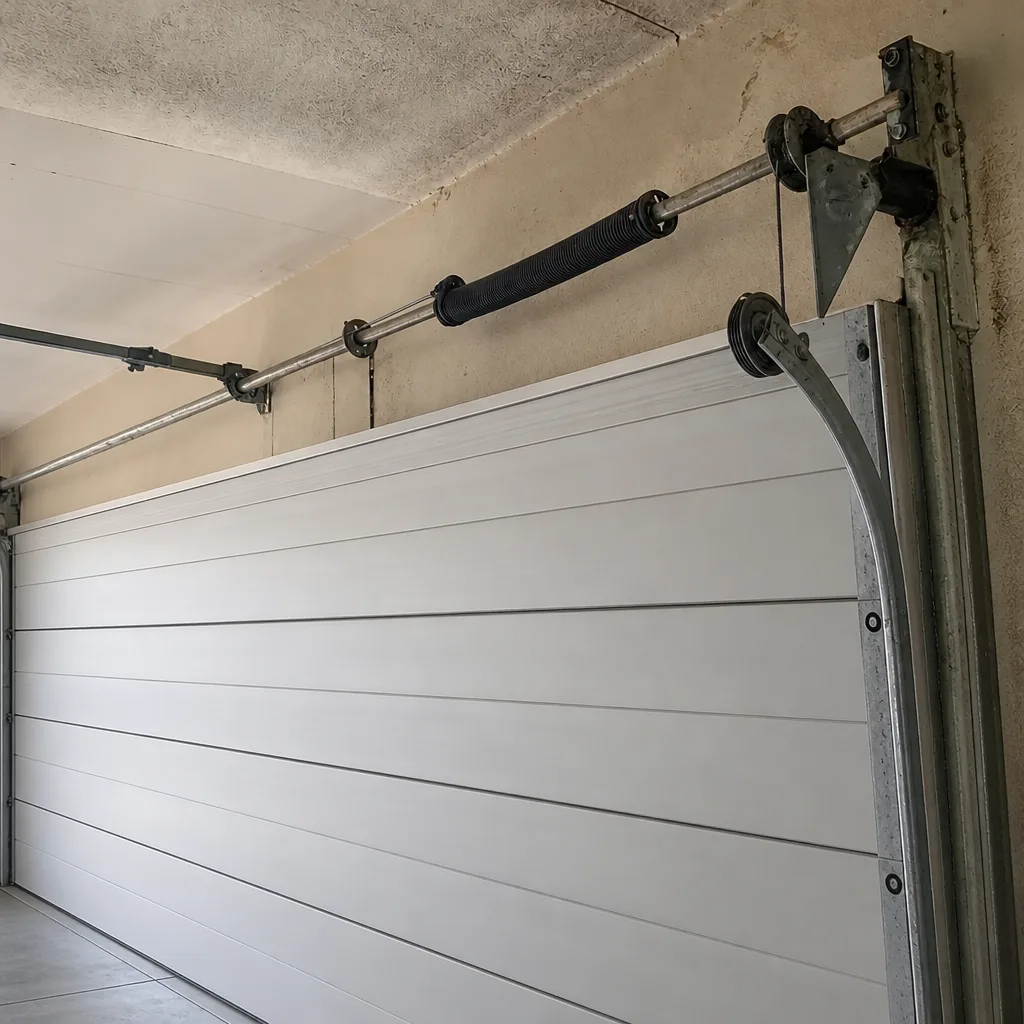 After
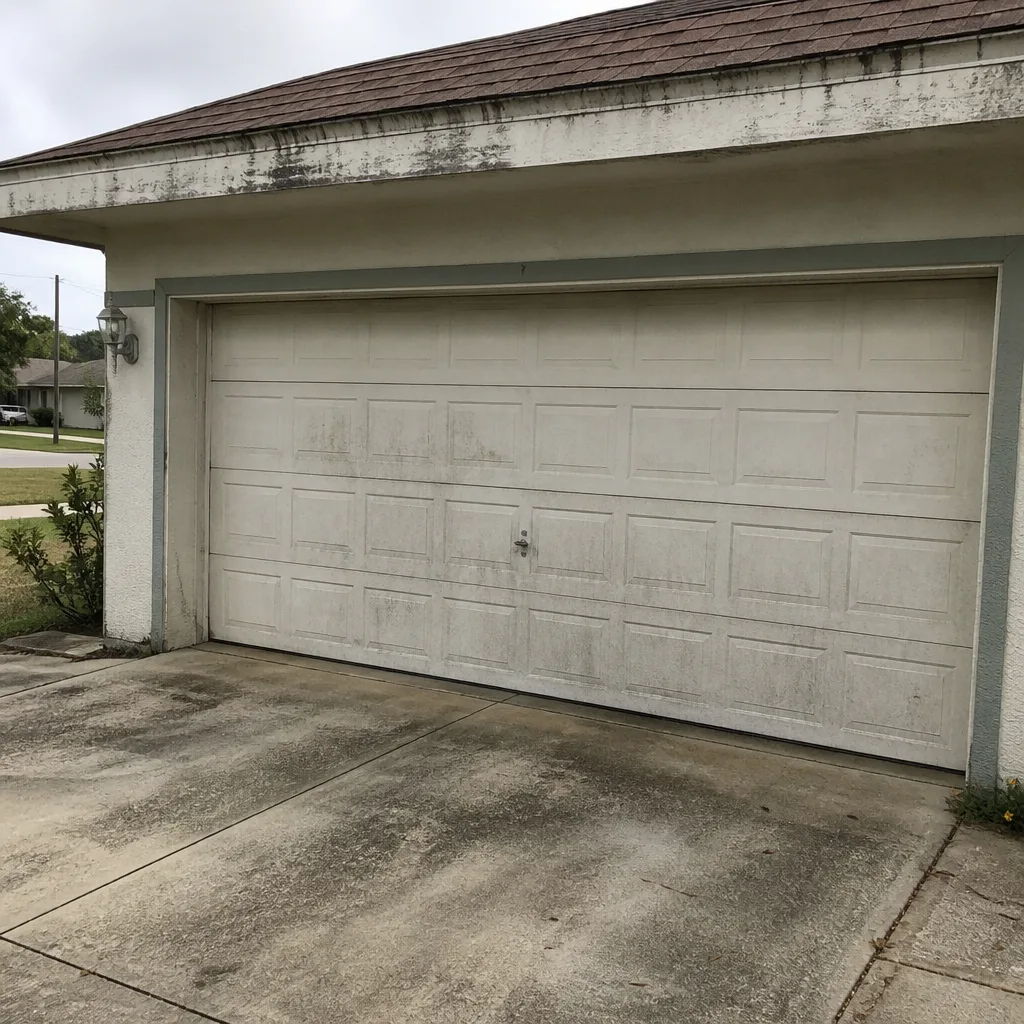 Before
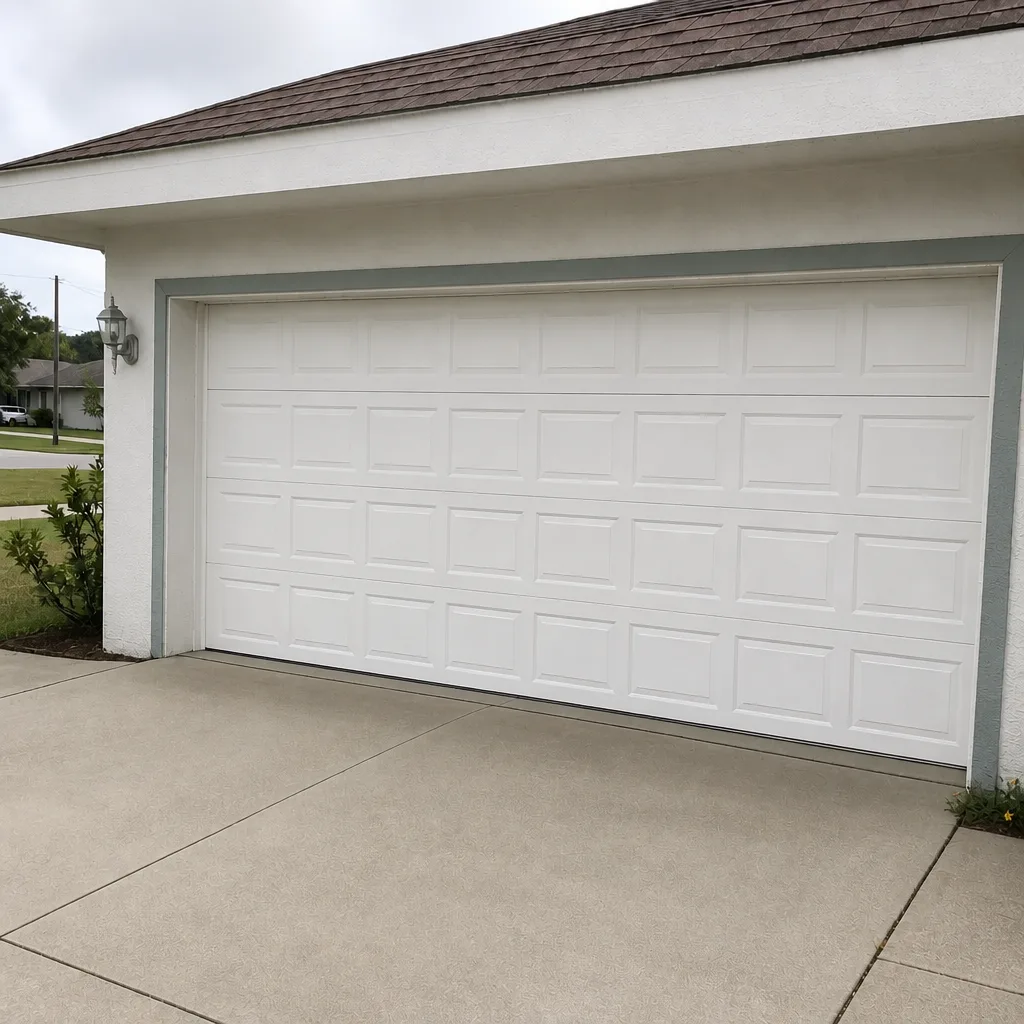 After