
Last updated October 31, 2026
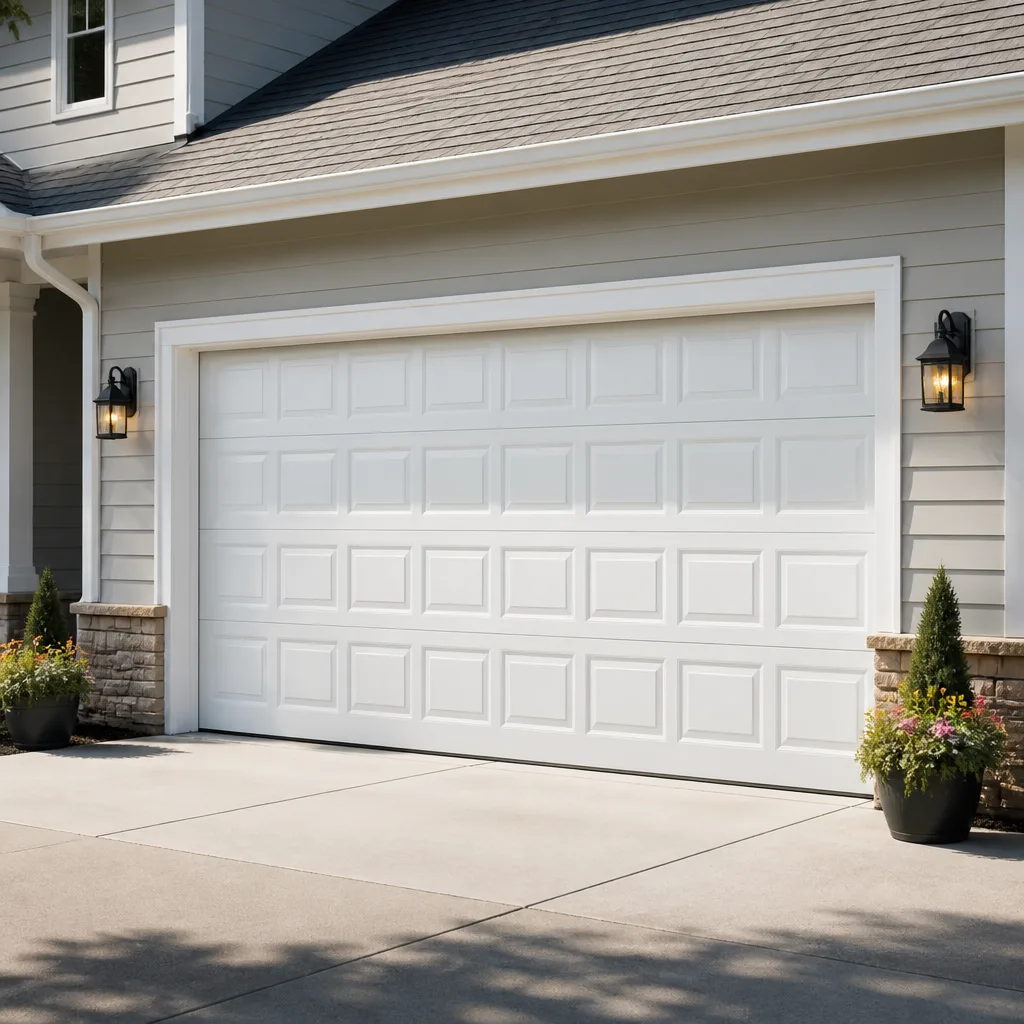 Raised-panel steel
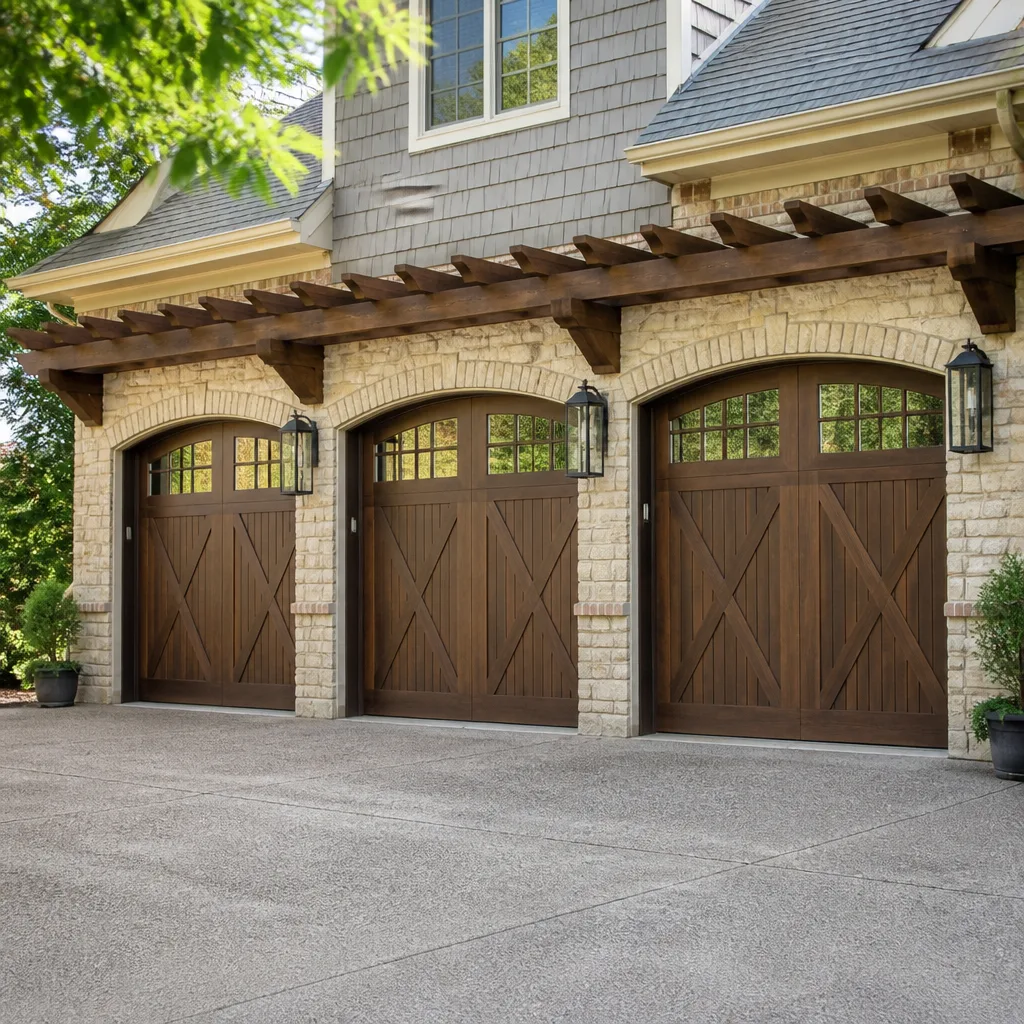 Carriage house
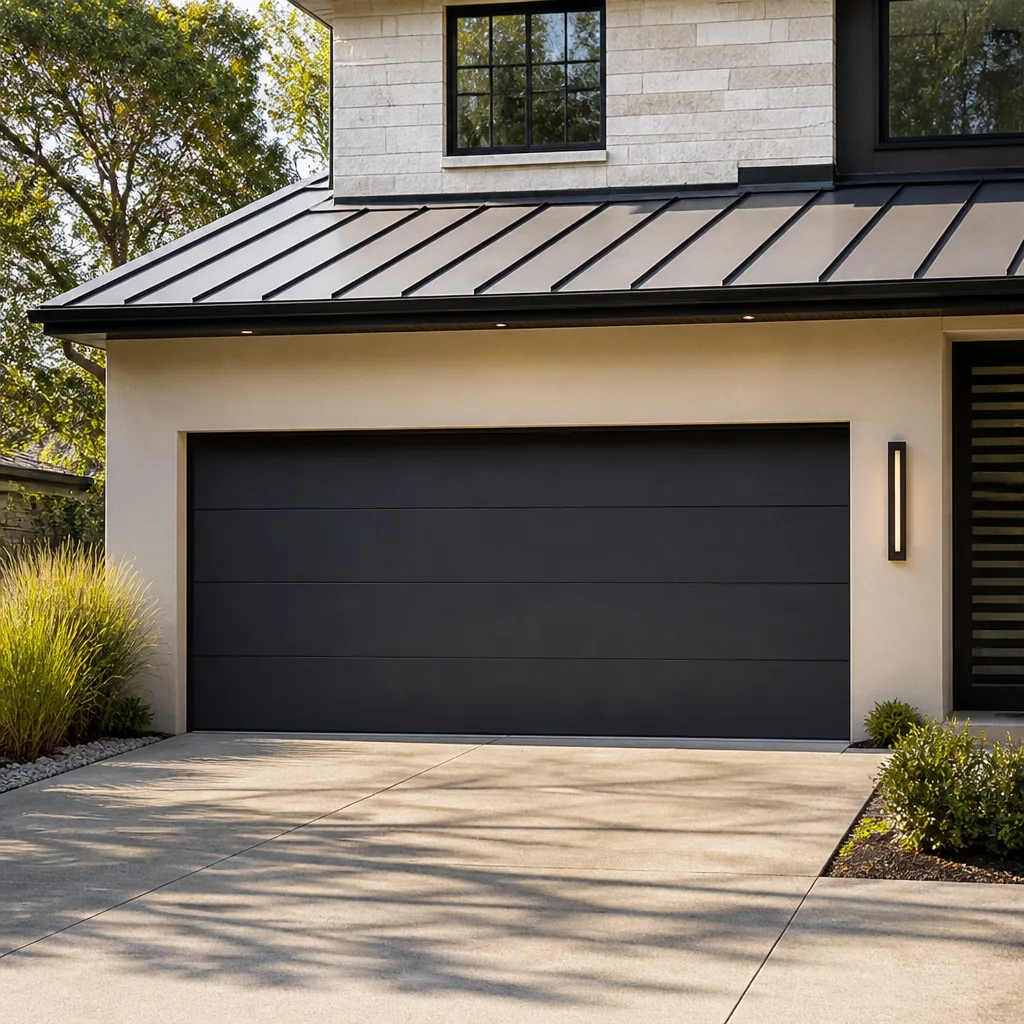 Modern flush
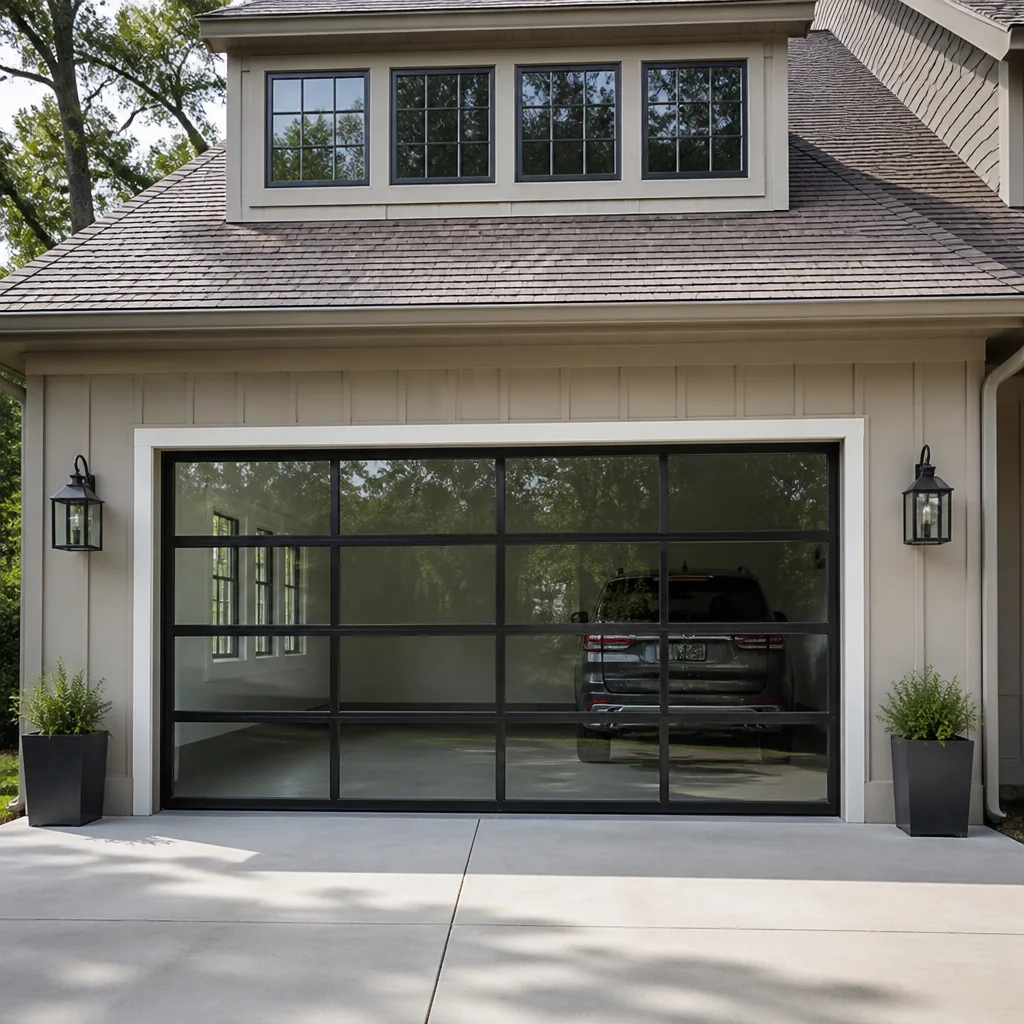 Full-view glass
 LiftMaster openers
 Chamberlain openers
Full 25-point door and opener safety check with every visit - springs, cables, rollers, tracks, and your LiftMaster or Chamberlain opener included
You get a price before we start. It does not change when the truck arrives.
Get your free estimateThe Complete Garage Door Repair Guide for Fort Myers Homeowners
The average Lee County garage door spring lasts roughly 40% fewer cycles than the manufacturer’s rated lifespan. It’s not a defect in the metal or poor installation. It’s what happens when galvanized steel sits in 90% humidity for six months of the year and breathes salt air from the Gulf the other six. Most garage door guides are written for Ohio or Arizona, where a spring fails for predictable reasons: cold snaps, age, mileage. For Fort Myers homeowners, The Complete Guide to Garage Doors in Fort Myers covers what actually breaks here. Fort Myers failures are different. They’re accelerated by corrosion, thermal expansion, and a climate that punishes every moving part on your door. This guide covers what actually breaks here, what it costs to fix in this market, what you can safely handle yourself, and when the only smart move is to pick up the phone.
Quick Answer
Garage Door Repair services in Fort Myers typically cost between $95 and $450 for most residential fixes, with spring replacement being the most common repair. Doors in coastal areas like Fort Myers and Port LaBelle fail differently than doors inland due to salt-air corrosion on springs, cables, and bottom brackets. If your door is making grinding noises, sitting unevenly, or refusing to open, call (833) 589-8278 for a free estimate and an honest diagnosis.
Styles & brands we work with
- Raised-panel steel
- Carriage house
- Modern flush
- Full-view glass
- LiftMaster openers
- Chamberlain openers
Table of Contents
- How Salt Air Corrosion Attacks Your Fort Myers Garage Door
- Thermal Expansion: Why Tracks Warp and Rollers Bind in a Florida Summer
- Spring Repair vs. Replacement: What Fort Myers Homeowners Need to Know
- Repair or Replace: A Realistic Decision Tree for Fort Myers Homes
- DIY-Safe Repairs in Florida (And What to Never Touch)
- Garage Door Opener Repair: A Specialty, Not an Afterthought
- How to Document a Garage Door Repair So the Work Verifies Itself
- Common Mistakes to Avoid
- When to Call a Professional
- Frequently Asked Questions
How Salt Air Corrosion Attacks Your Fort Myers Garage Door
We’ve replaced torsion springs in Fort Myers that looked like they’d been pulled off a shipwreck. The outer zinc coating was gone, eaten through in patches, and the exposed steel underneath had rusted in layers that flaked off like old paint. That’s what salt air does, and it’s not limited to homes sitting right on the Caloosahatchee River. The prevailing breeze carries moisture and salt inland much farther than most people expect. By the time you’re in inland Fort Myers, Iona, or even parts of south Lee County, your garage door hardware is still fighting a daily battle against atmospheric salt.
The components hit hardest:
- Torsion springs: The coils sit under constant tension. When the protective coating fails and rust begins, the stress concentrates at the corrosion pits. That’s where the spring snaps.
- Bottom brackets: These hold the cables and sit inches from the concrete floor. Water pools there after summer downpours, and salt residue accelerates the attack. We’ve seen brackets rust completely through in under five years in Port LaBelle.
- Cables: The galvanized strands unwind and snap under load. A snapped cable whips with a lot of force, which is why this repair is never a DIY project.
- Hinges and rollers: The moving metal parts squeal first, then grind, then bind. Once a hinge starts rusting through, the door panel alignment suffers.
Spotting corrosion before it causes a failure is straightforward if you know what to look for. Run a flashlight along the top of the torsion spring and look for orange-brown staining or a rough, flaky texture on the coils. Check the bottom brackets for scale or bubbling under the paint. Watch the cables where they pass through the pulley; frayed strands there mean the cable is due. In our experience, a homeowner who catches spring corrosion at the “stained but intact” stage usually pays for a spring replacement on their schedule, not in the middle of a workday when the door refuses to lift.
Preventive maintenance for coastal Fort Myers means lubricating the spring with a silicone or lithium spray every four to six months. That’s more frequent than the national recommendation, but the climate justifies it. The lubricant forms a thin barrier that slows what the humidity is trying to do. It won’t stop corrosion entirely, nothing will, but it adds years to a spring’s life in this specific environment.
Thermal Expansion: Why Tracks Warp and Rollers Bind in a Florida Summer
Metal expands in heat. Everyone knows that. But most garage door guides never connect that basic physics to the track system that carries your 150-pound door up and down twice a day. In Fort Myers, where August garage interiors routinely hit 110 degrees or more, the steel tracks expand measurably. Not dramatically, but enough that a track installed with zero tolerance suddenly has no clearance for the roller. The door starts to hesitate, then shudders, then grinds to a stop midway up the track.
Here’s the pattern we see every summer, year after year:
- The door runs fine in the morning and evening when ambient temperatures are moderate.
- Midday, after the garage has baked for hours, the door struggles, binds, or reverses on its own.
- The homeowner assumes the opener is failing and either replaces the motor or calls us about an opener issue.
- The actual problem is thermal expansion of the vertical track against a wall bracket that’s a quarter-inch too tight.
The fix is often a track adjustment, not an opener replacement. A technician loosens the track brackets, realigns the rails with the proper gap, and retightens. The door runs smooth again. That’s a $110 to $160 service call in Fort Myers, versus the $400-plus a misdiagnosed opener replacement can cost. Northern guides never mention this because a garage in Minnesota doesn’t see 110-degree interior temperatures, and neither does the door that lives there.
What should you listen for? A rhythmic grinding or a door that lurches and stops, especially on hot afternoons. If the problem disappears at night and returns with the heat, thermal expansion is the likely culprit. Call before you buy a new opener; a competent technician can confirm the diagnosis in about ten minutes and usually fix it on the spot.
Spring Repair vs. Replacement: What Fort Myers Homeowners Need to Know
Garage door springs come in two flavors: torsion springs, which mount horizontally above the door opening, and extension springs, which stretch along the horizontal tracks on both sides. Torsion springs are standard on modern doors and on nearly every home built in Lee County in the last 25 years. Extension springs still show up on older Fort Myers homes, particularly in established neighborhoods like Dean Park or parts of the McGregor corridor.
When a spring fails, the question is always: repair one spring or replace both? Here’s the real-world answer. If one torsion spring snapped, the other one has the same number of cycles on it and has been living in the same corrosive environment. Replacing only the broken spring saves money today and usually bills you again in three to six months. A technician who replaces both springs at once gives you a matched pair with equal tension, which is what the door needs to lift evenly. In Fort Myers, full spring replacement (both springs) typically runs $180 to $340 for a standard residential door, parts and labor included. Replacing a single spring usually costs $120 to $200. The second option looks cheaper on the invoice and frequently isn’t.
There’s a safety dimension too, and it’s not minor. Torsion springs hold hundreds of pounds of torque. When one fails, the other is usually not far behind, and a door with one fresh spring and one dying spring torques unevenly. That uneven lift stresses the opener, bends hinges, and in the worst cases, snaps the cable. We recommend replacing both springs together on any door where the springs are original or more than seven years old in this climate.
What about extension springs? The same logic applies, though the cost is a bit lower. A pair of extension springs with safety cables installed runs roughly $140 to $220 in Fort Myers. The safety cables matter; they’re the thing that keeps a snapped spring from flying across the garage and into your car, your drywall, or you.
Repair or Replace: A Realistic Decision Tree for Fort Myers Homes
The broken part is rarely the right reason to replace a door. The right reason is a combination: what the door is made of, how old it is, what the opener can support, and what the homeowner would do if money weren’t the deciding factor. Here’s a practical way to think through the decision, structured the way we actually walk customers through it in Fort Myers.
Step 1: How old is the door?
Most builder-grade steel doors in Lee County last 12 to 15 years before the panels begin to show meaningful wear. If your door is under ten years old and the issue is a spring, a roller, a hinge, or a cable, repair almost always makes financial sense. If the door is over 15 years old and you’re facing a second or third major repair within two years, the math shifts toward replacement.
Step 2: What are the panels made of?
Steel panels can rust through in coastal Fort Myers, especially on the bottom section where salt spray and standing water collect. Aluminum panels fare better against corrosion but dent more easily. Wood doors, common in some older Cape Coral and Fort Myers neighborhoods, require constant refinishing in this climate and often rot from the bottom up. If the bottom panel on a steel door is rusted through, a panel replacement may work, but it usually makes more sense to replace the whole door on an older unit.
Step 3: Is the opener compatible with the door you’d want to install?
If your opener is 20 years old and your dream replacement door is heavier than the old one, the opener may not have the duty cycle to lift it. That’s not a reason to keep the old door; it’s a factor in the total quote. A new door with a borderline opener means a second bill in a year or two. We’d rather be upfront about that than pretend the nickel-and-dime path is the cheaper one.
Step 4: What’s the honest cost comparison?
Spring replacement: $180-$340. Complete door replacement for a standard two-car garage in Fort Myers, including installation: $1,200 to $3,500 depending on material and insulation. If the repairs needed exceed half the replacement cost and the door is older than ten years, replacement becomes the better long-term call. If the repairs are under a third of replacement cost and the door is structurally sound, repair wins.
One more consideration specific to Fort Myers: hurricane-rated doors. Building codes in Lee County require wind-load-rated garage doors on most homes, particularly newer construction. If your existing door predates the current code and you’re considering replacement, a hurricane-rated door is worth the extra cost. It’s also an insurance discount on many policies. If you’re repairing, this is moot, but it matters when the decision tree points to replacement.
DIY-Safe Repairs in Florida (And What to Never Touch)
The internet is full of garage door repair tutorials, and a good portion of them are written by people who’ve never seen what happens when a torsion spring lets go in a Florida garage. Here’s the honest breakdown of what’s genuinely safe to handle yourself and what isn’t.
Safe DIY tasks:
- Lubricating springs, rollers, and hinges: Use a silicone or lithium spray, never WD-40, which is a solvent and displaces lubricant. Apply to the spring coils, the roller bearings, and the hinge joints every four to six months in Fort Myers. This is a 15-minute task that extends hardware life.
- Sensor alignment: If your opener’s safety sensors are misaligned, the door refuses to close and the lights blink. Loosen the sensor bracket, adjust so both sensors face each other squarely, and tighten. The opener’s indicator light will confirm alignment.
- Tightening loose bolts: Track bolts, hinge bolts, and opener mounting bolts loosen over time with vibration and thermal cycling. A socket wrench and ten minutes prevent expensive failures. Do not overtighten; these are metal-on-metal connections that don’t need much torque.
- Replacing weatherstripping: The rubber seal along the bottom of the door rots and cracks fast in Florida heat. Replacement is a slide-out, slide-in job that takes 20 minutes. It keeps water, leaves, and insects out of the garage.
Never DIY in any circumstances:
- Torsion spring replacement: These springs are under hundreds of pounds of torsional force. A slip of the winding bar can cause catastrophic injury or death. Even experienced technicians approach this with respect and the correct tools. This is not a YouTube project.
- Cable repair or replacement: Cables attach to the spring system. If you touch the cable without releasing spring tension properly, the spring unwinds violently. The cable itself is under load. This is technician work, full stop.
- Track removal or repositioning: The tracks carry the full weight of the door. If a track bolt releases unexpectedly, the door can fall. This is not a one-person job and it’s not a no-experience job.
- Opener motor replacement involving electrical connections: The motor is the muscle, but the wiring and logic board are the brain. A DIY opener swap often ends with a garage door that runs backward, doesn’t reverse on obstruction, or burns out a new motor. This is a specialist repair, which is exactly why Fort Myers Garage Door Service treats opener repair as its own service line, not a footnote on a spring replacement.
The rule of thumb: if the repair involves tension, load-bearing cables, or electrical wiring, call a professional. The money you save doing it yourself is never worth the risk profile. And in Florida specifically, corrosion can make a “simple” job turn dangerous without warning when a rusted bracket gives way.
Garage Door Opener Repair: A Specialty, Not an Afterthought
Opener acting up? That’s a specialty, not a side job. It’s the phrase we use because it’s the truth. A garage door opener is a motor, a gearbox, a logic board, a receiver, and a safety system all in one housing, and when any one of those components misbehaves, the symptom is maddeningly vague: the door goes down and comes right back up, or opens halfway and stops, or makes a grinding noise and does nothing.
Here’s the thing most homeowners don’t know: opener problems are usually misdiagnosed as door problems, and vice versa. A door that reverses on the way down could be a bad limit switch in the opener, or a broken spring that’s letting the door drop too fast and tripping the safety reverse. A grinding noise could be stripped gears inside the motor housing, or a roller binding in a heat-expanded track. The correct diagnosis requires someone who understands both systems, not just one.
Fort Myers Garage Door Service works on openers from LiftMaster, Chamberlain, Genie, and Craftsman, among other brands. That matters because each manufacturer uses different gear materials, different logic boards, and different safety sensors. LiftMaster and Chamberlain share a parent company, but their openers respond differently to voltage issues and have different error-code sequences. Genie uses a screw-drive system on many models that behaves entirely differently from a belt-drive Chamberlain under load. A technician who knows the quirks of each system can diagnose in minutes instead of swapping parts on a guess.
Common opener repairs in Fort Myers and typical price ranges:
- Gear replacement: $120-$180. The plastic gear inside the motor housing wears, especially in homes where the door is heavy and the opener is undersized.
- Logic board replacement: $140-$220. Power surges from Florida thunderstorms take out circuit boards regularly. If your opener died after a storm and nothing resets, the board is the common culprit.
- Sensor replacement or realignment: $80-$120. The safety sensors at the bottom of the track get knocked, sun-baked, and corroded.
- Remote and keypad troubleshooting: $60-$100. Often reprogramming solves it; sometimes the receiver in the opener needs attention.
- Ask the technician what they found and what they did. Not in a “prove it” way, in a “help me understand” way. A good technician will show you the worn gear, the corroded spring, the frayed cable before they haul it away.
- Write down the date, the repair, and the parts used. A note on the receipt or a phone note is fine. Example: “March 2026, replaced both torsion springs, .225 wire, 28-inch, both drums serviced.”
- Photograph the work. Two or three close-up photos of the new parts installed take ten seconds. They prove the work was done and what the parts looked like when new. Six months later, when the new spring has developed a light rust haze, you’ll be glad to have the “fresh install” reference.
- Keep a running history. If the same component fails twice in three years, that’s a diagnostic clue. It suggests an underlying issue: a door that’s too heavy for its springs, an opener that’s undersized, an installation angle that’s off.
- Using WD-40 on the spring or rollers. WD-40 is a solvent that strips lubrication. It makes the noise go quiet for a few days while the parts get drier and wear faster. Use silicone or lithium spray.
- Ignoring a corrosion-stained spring because the door still works. That stain is the warning. The spring fails when it fails, which is usually during the worst possible moment. In Fort Myers, waiting is betting against salt air, and salt air wins.
- Replacing only the snapped spring. The remaining spring has the same age and the same environmental damage. You’ll be back in the garage with the same problem before the year’s out.
- Assuming summer binding means a dead opener. Thermal expansion of the tracks is a real Fort Myers issue. A track adjustment is a much smaller bill than an opener replacement, and the wrong diagnosis costs you both.
- Skipping the safety inspection during any repair. A good technician checks the cables, drums, brackets, and safety reverse while the door is already taken apart. Skip that, and you’ve fixed one problem while leaving two or three brewing.
- Choosing a replacement door without checking wind-load code. Lee County requires hurricane-rated doors on most new homes and many replacement projects. Install the wrong door and you’ve bought a code violation plus an insurance headache.
- Treating the opener as a throwaway item. A dead opener is often a bad gear or a fried logic board, not a dead motor. An opener repair specialist can often bring it back for half the cost of a new unit.
If your opener is over 15 years old and the repair estimate approaches $200, consider replacement. New openers include modern safety features, quieter operation, and smartphone connectivity. But if the motor is sound and the issue is a gear or a sensor, a targeted repair is almost always the smarter spend. Whatever brand is on your garage, we work on it.
How to Document a Garage Door Repair So the Work Verifies Itself
Most homeowners tuck the receipt in a drawer and never think about it again. But in Fort Myers, where garage doors take a beating and resale is a frequent event, a properly documented repair history does real work. It verifies maintenance for a future buyer. It gives a second technician the context to diagnose a new problem faster. And it protects you if a warranty claim ever becomes necessary.
Here’s a simple documentation routine that takes five minutes after any repair:
None of this requires a filing cabinet. A notes app on your phone works. What it creates is a record that turns “the door has been making a noise for a while” into “the door was serviced in March 2026 and the issue started in October.” That conversation with a technician is faster, more accurate, and more likely to end in the right repair at the right price.
Common Mistakes to Avoid
When to Call a Professional
Call a professional when the door is visibly uneven, when it sags or drops on one side, when you hear grinding or popping from the spring area, or when the door refuses to move and the opener is humming. Call when the cables look frayed, when the bottom bracket is rusted, or when the door reverses on its own and the sensors are aligned. And call when you’re not sure what’s wrong but you don’t want to make it worse by guessing.
Fort Myers Garage Door Service offers free estimates in Fort Myers. We work on whatever brand is already on your garage, from LiftMaster to Clopay, and we’ll tell you what’s wrong and what it costs before any work begins. Call (833) 589-8278 for an honest diagnosis.
For readers in nearby Port LaBelle, our Garage Door Repair in Port LaBelle page covers the specific service details for that area, including the coastal corrosion patterns that match what we’ve described here. If your issue is opener-specific, see our Garage Door Opener Repair in Port LaBelle page for diagnostics and pricing. And if you’ve decided the door needs replacing rather than repairing, our Garage Door Installation in Port LaBelle page walks through the options. You can also return to the Fort Myers Garage Door Service home page to see the full range of services and coverage areas.
Frequently Asked Questions
Most residential garage door repairs in Fort Myers run between $95 and $450. Spring replacement, the most common repair, typically costs $180 to $340 for both springs. Opener repairs like gear or logic board replacement run $120 to $220. Call (833) 589-8278 for an exact quote, and know that the price you’re quoted is the price you pay, agreed before work starts.
For most repairs, yes. A broken spring or a snapped cable can often be addressed same-day, and emergency service is available when the door won’t close and the house is unsecured. Call (833) 589-8278 early in the day to get the best shot at same-day scheduling in Fort Myers.
No. The price you’re quoted before work begins is the price you pay. If the technician finds something unexpected during the repair, they’ll show you the issue and get your approval before doing anything additional. There are no surprise line items.
For common repairs, yes. Torsion springs, cables, rollers, hinges, sensors, and opener gears are stocked on the truck for most standard residential applications. If your door requires a non-standard part, the technician will order it and schedule the return visit before leaving your driveway.
Fort Myers Garage Door Service works on LiftMaster, Chamberlain, Genie, Clopay, and more. Whatever brand is on your garage, we work on it. That means opener diagnostics and repair, spring replacement, track work, and full door replacement, all from one company.
If the door is rusted through at the bottom panel, has needed two or more major repairs in the last two years, or can’t be brought up to current wind-load code, replacement makes sense. If the panels are sound and the repair is under a third of the replacement cost, repair is usually the smarter call. A honest technician will walk you through the decision with the numbers in front of you.
The Bottom Line
Garage doors in Fort Myers fail differently than doors anywhere else in the country. Salt air eats springs and brackets from the outside in. Summer heat expands tracks until rollers bind. Humidity attacks every unprotected metal surface year-round. Knowing these specific failure patterns means the difference between a $150 spring replacement and a $600 emergency call, or between a track adjustment and an unnecessary opener purchase. The honest path forward is simple: know what’s safe to handle yourself, document the work that’s done, and call a specialist when the job involves tension, cables, or electrical systems. For more guides & resources on keeping your door running, visit our blog. From a broken spring to a full new door, one call covers it.
Written by the team at Fort Myers Garage Door Service, serving Fort Myers since 2015.
See the difference
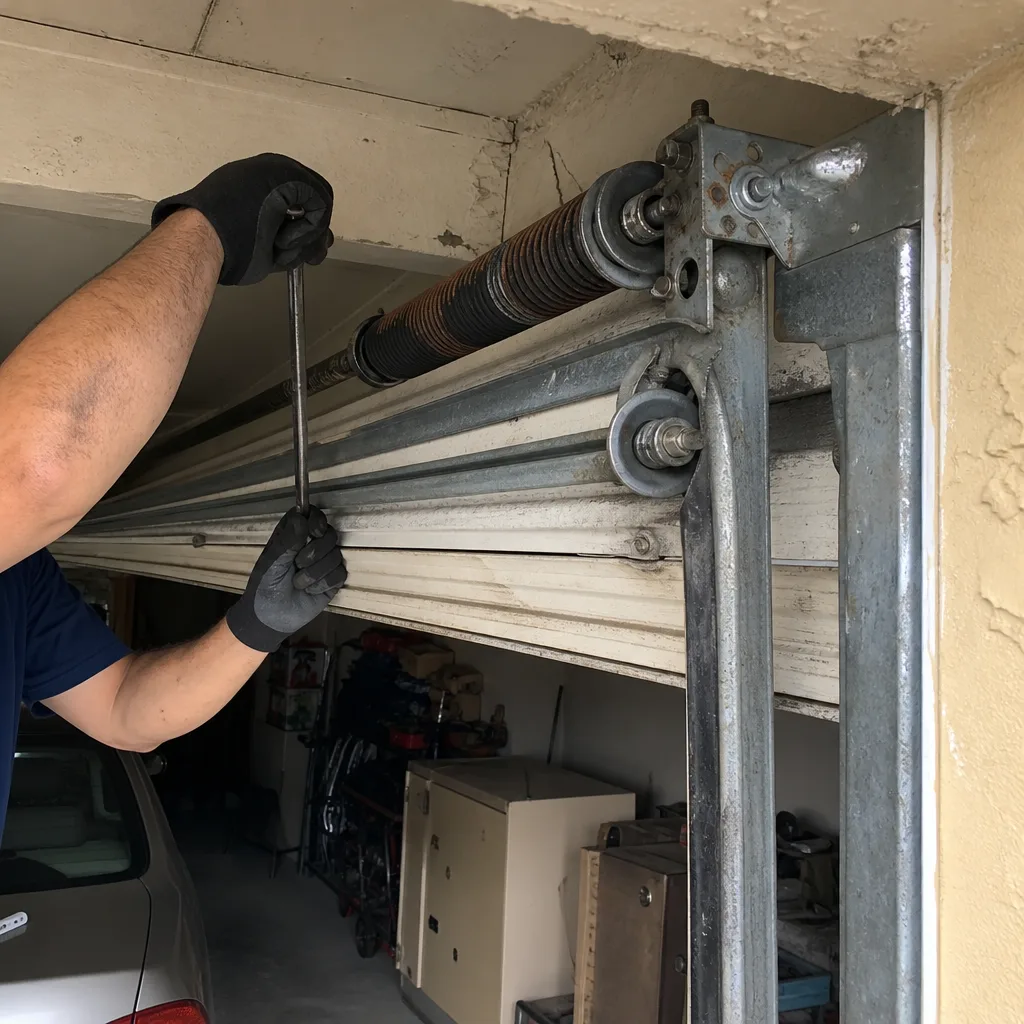 Before
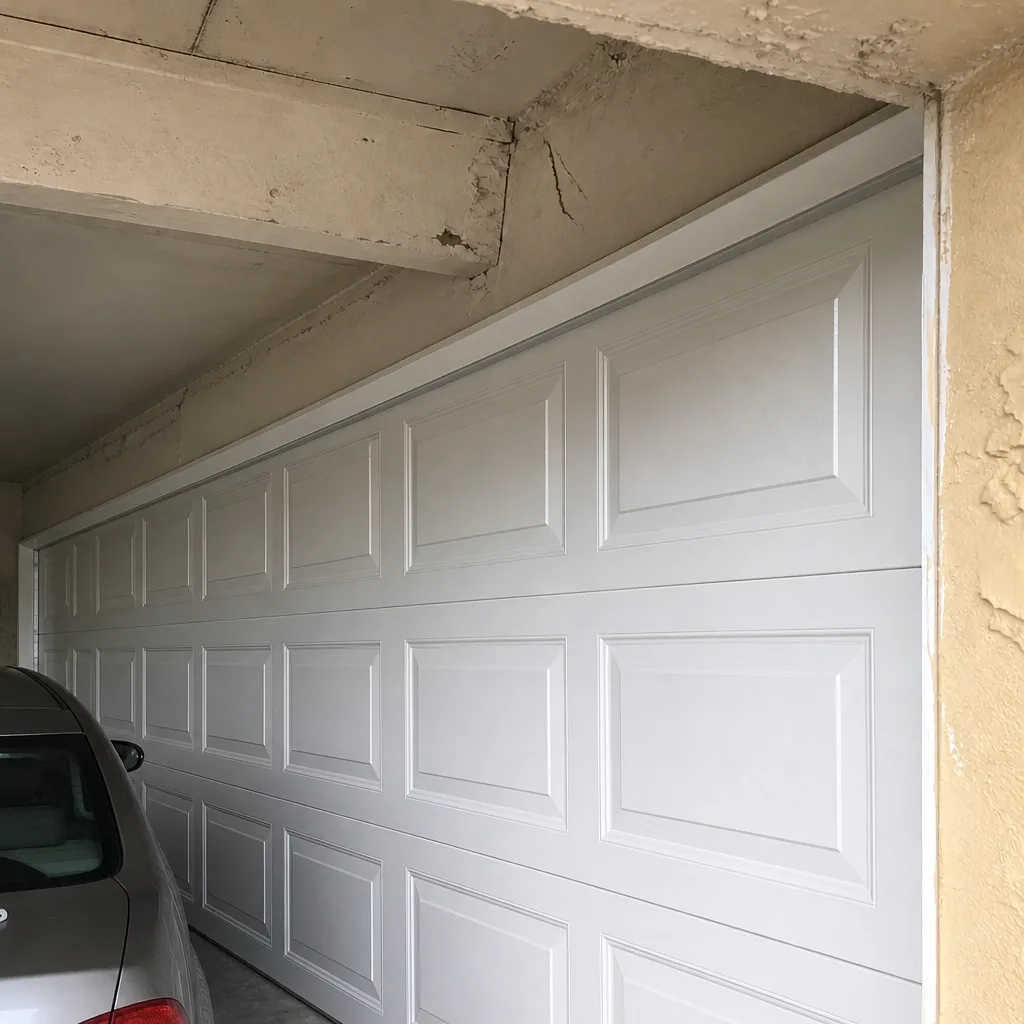 After
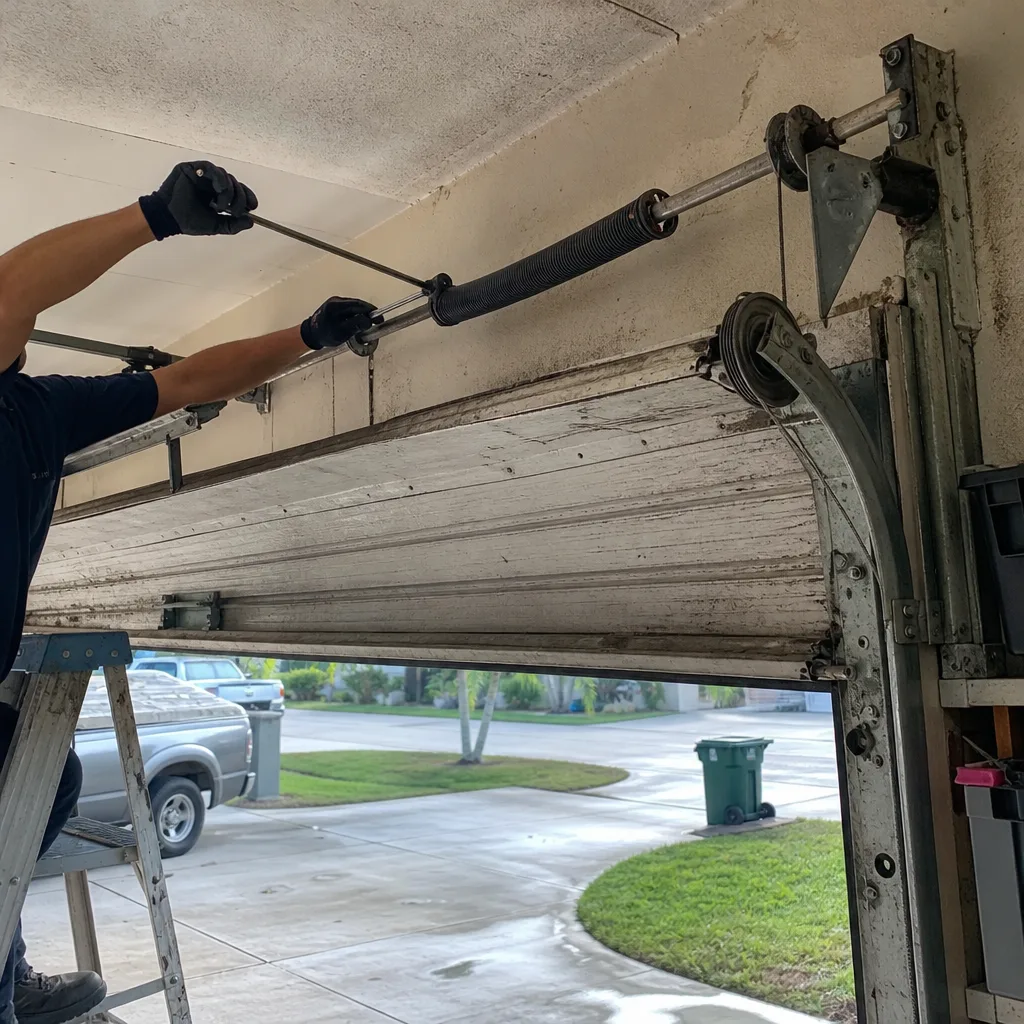 Before
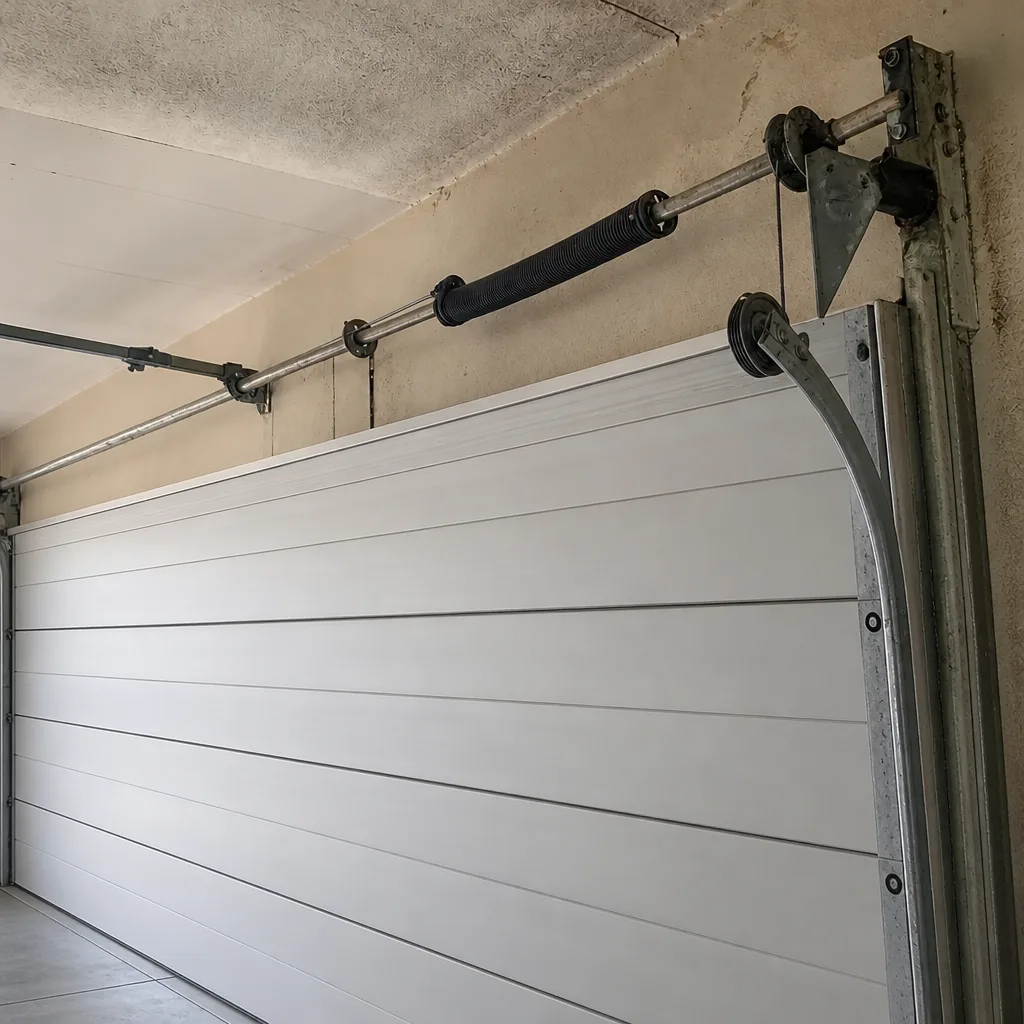 After
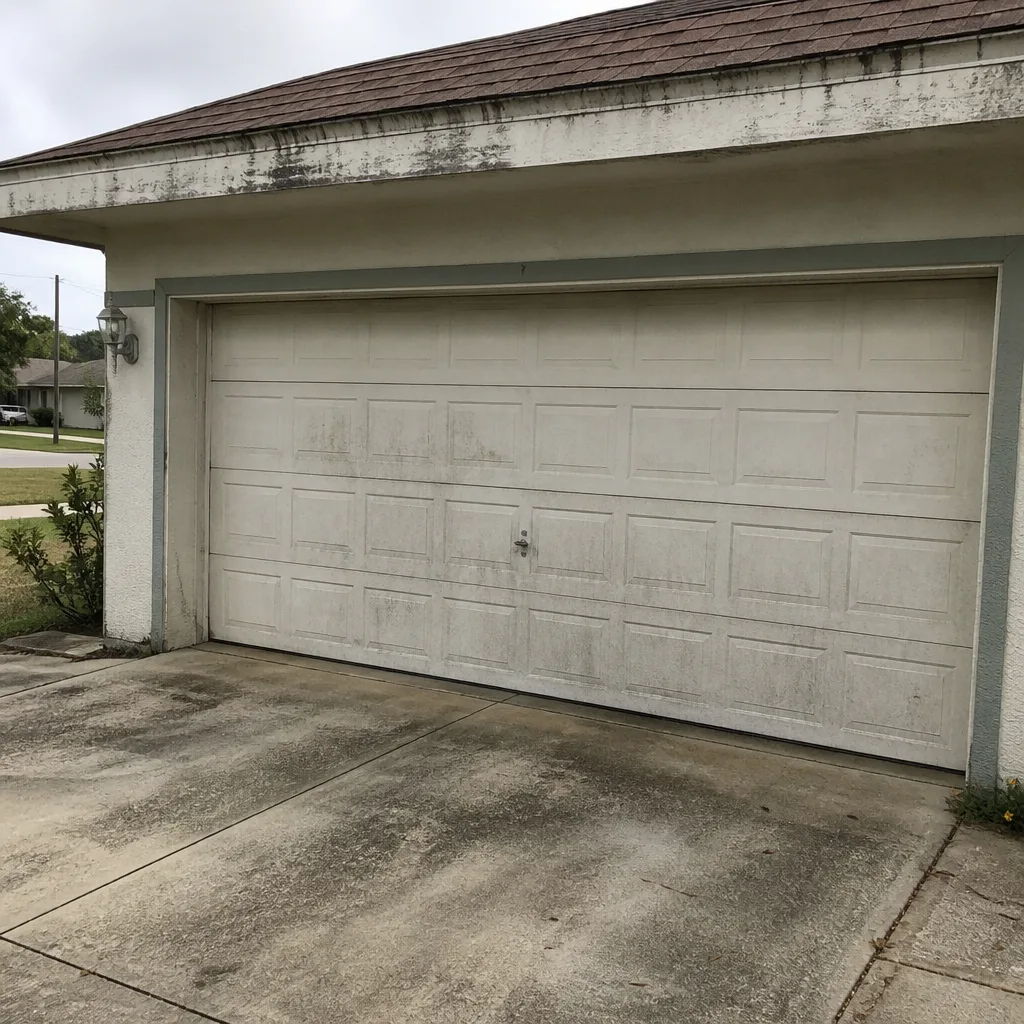 Before
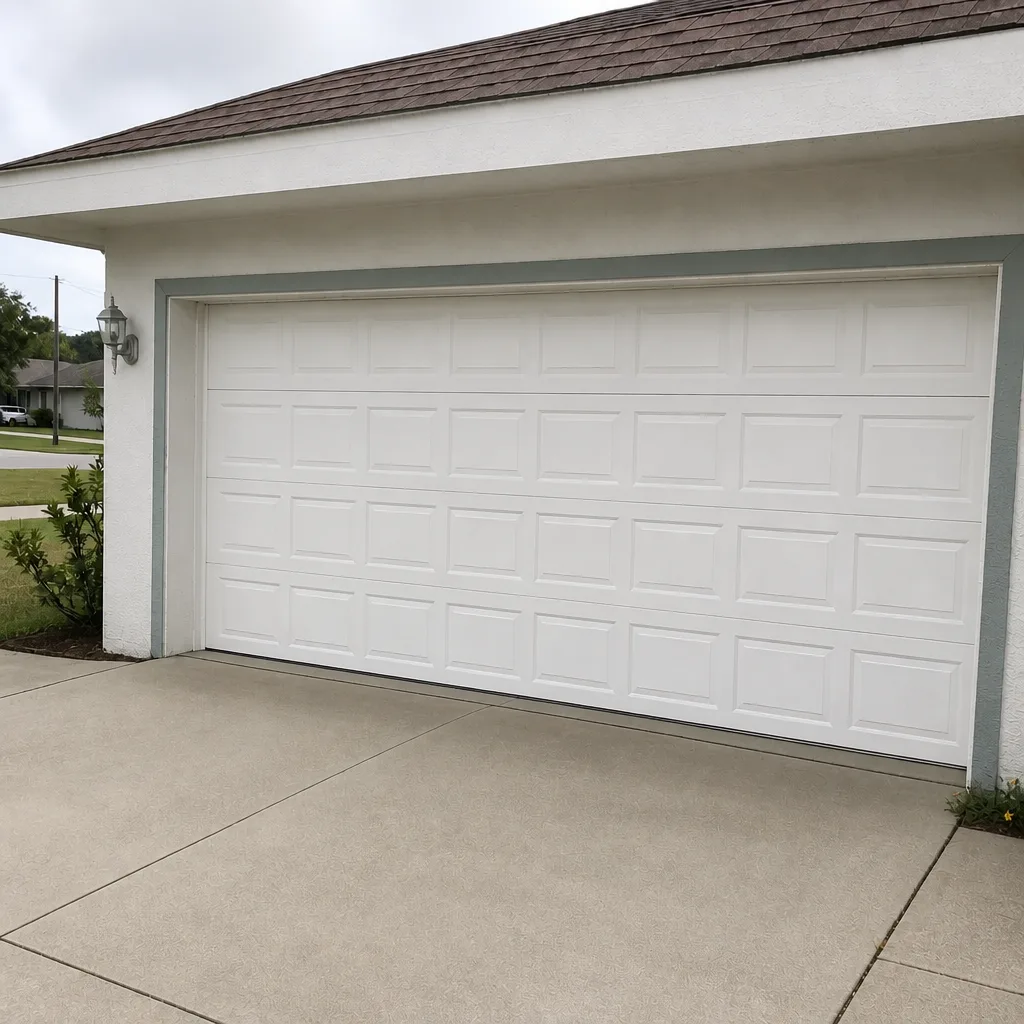 After