
Last updated October 31, 2026
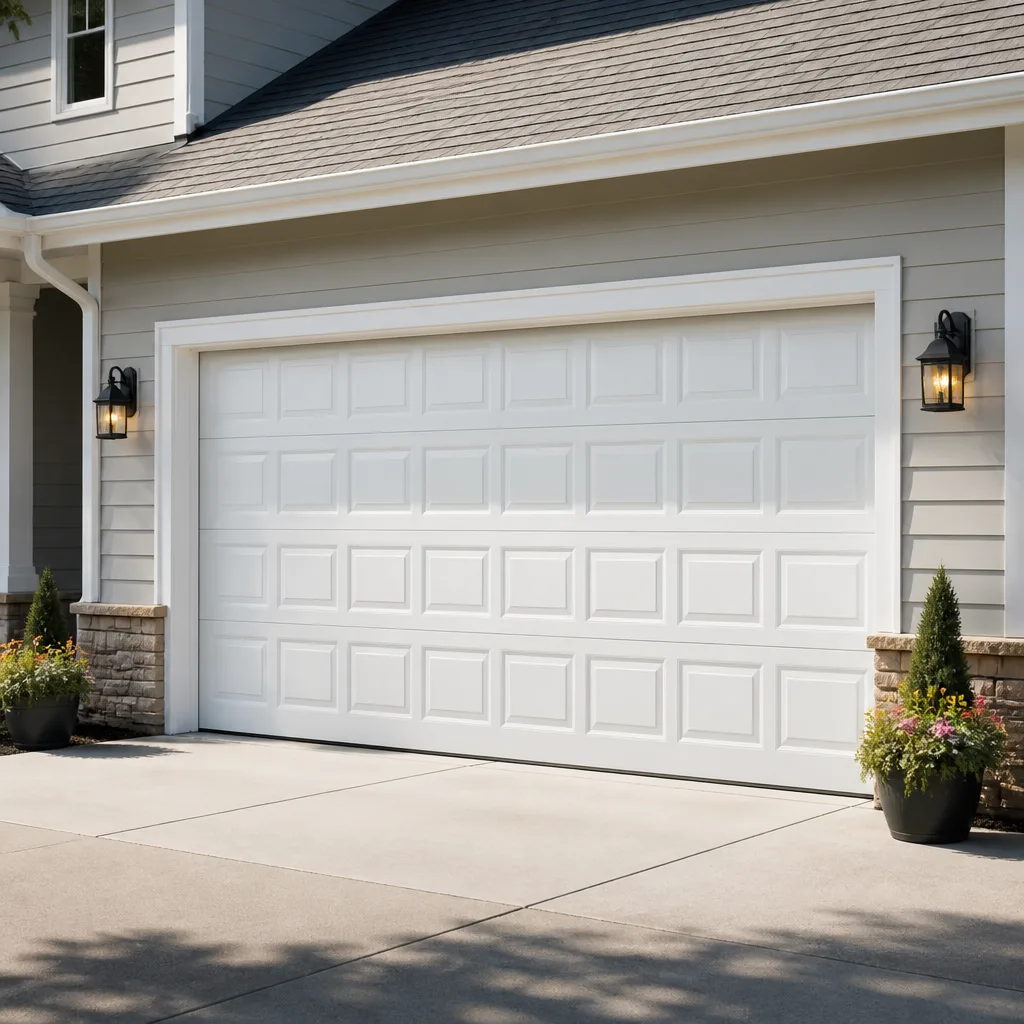 Raised-panel steel
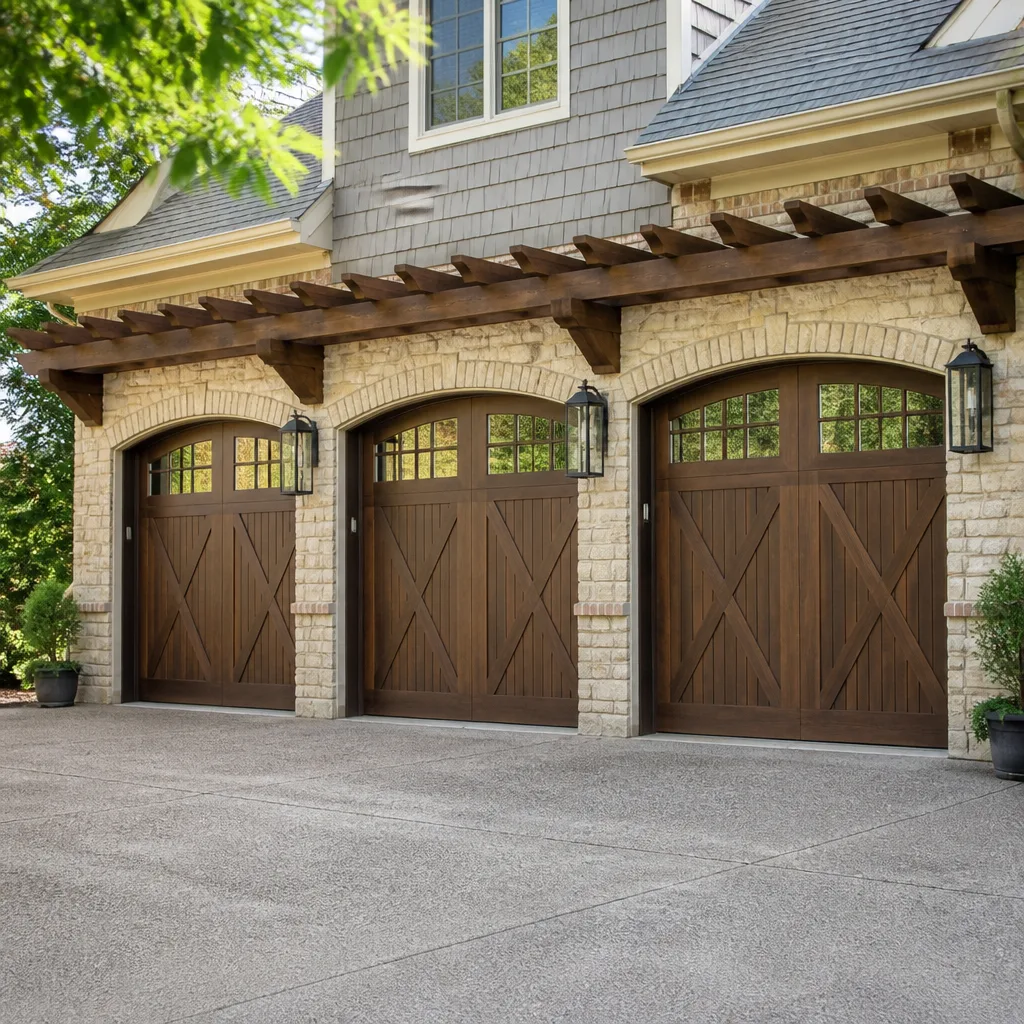 Carriage house
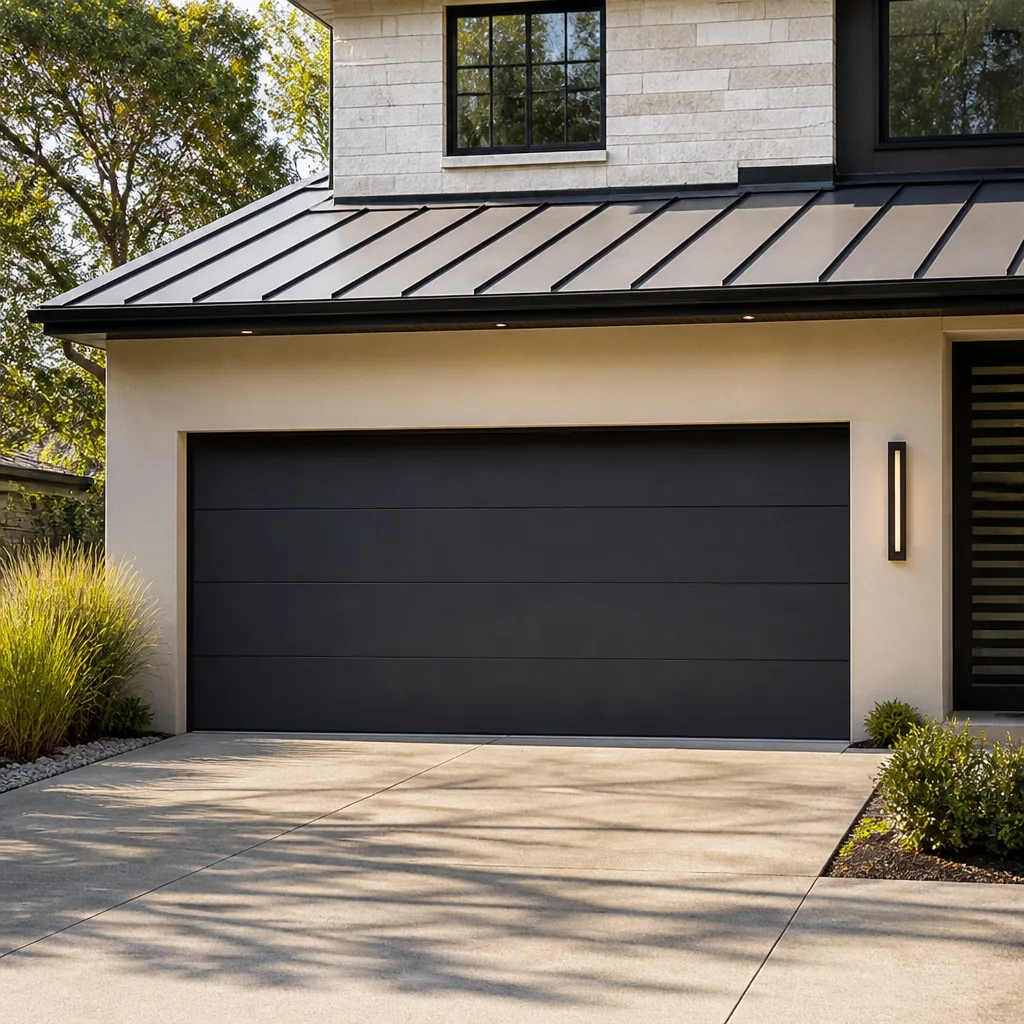 Modern flush
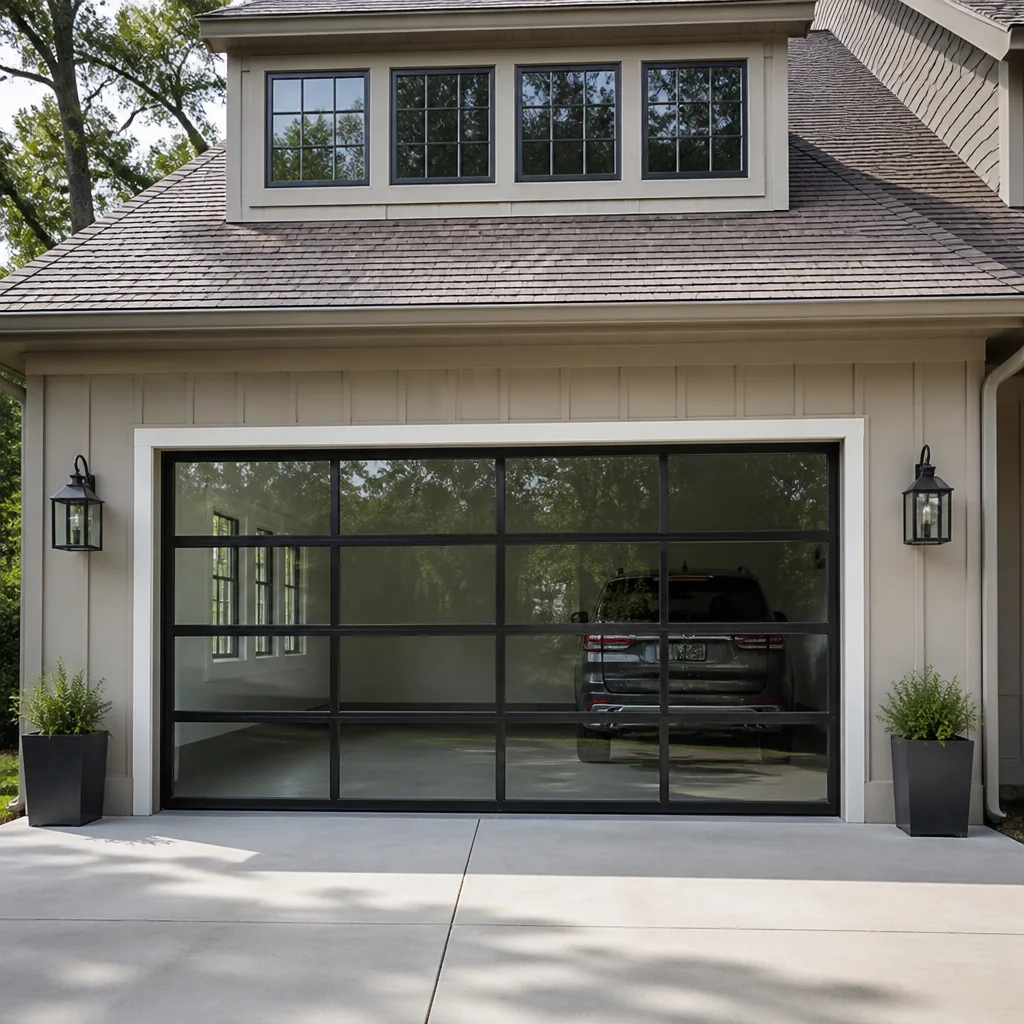 Full-view glass
 LiftMaster openers
 Chamberlain openers
Full 25-point door and opener safety check with every visit - springs, cables, rollers, tracks, and your LiftMaster or Chamberlain opener included
You get a price before we start. It does not change when the truck arrives.
Get your free estimateGarage Door Emergency Preparedness Guide for Fort Myers Homes
Most Fort Myers homeowners think about their garage door only when it stops working. That’s a problem, because the moment it stops working matters more than almost any other home system failure. During Hurricane Ian, thousands of Lee County residents discovered their garage doors had become impassable barriers. The power was out, the opener was dead, and the manual release cord had never been tested. Some forced the door. Some climbed through windows. Some waited inside with a car they couldn’t use. This guide covers what to do before, during, and after a storm so you’re not one of them.
Styles & brands we work with
- Raised-panel steel
- Carriage house
- Modern flush
- Full-view glass
- LiftMaster openers
- Chamberlain openers
Quick Answer
Garage door emergency preparedness in Fort Myers comes down to three things: test your manual release cord before storm season, follow a Garage Door Repair Maintenance Checklist for Fort Myers Homeowners to secure the door from the inside if the opener fails, and inspect for structural shift before operating the door after a hurricane passes. A working manual release takes five minutes to verify and can mean the difference between getting your car out during an evacuation and being trapped in place. If your door won’t operate manually, call (833) 589-8278 before the storm, not after.
Table of Contents
- How to Test and Operate Your Manual Release Cord
- The 24-Hour Pre-Storm Checklist for Lee County Homes
- How to Manually Secure a Garage Door From the Inside
- What to Inspect After a Hurricane Before Touching the Door
- Insurance Documentation: What to Photograph and Record
- Why Fort Myers Garage Doors Face Unique Storm Risks
- Common Mistakes to Avoid
- When to Call a Professional
- Frequently Asked Questions
- The Bottom Line
How to Test and Operate Your Manual Release Cord
Every automatic garage door opener has a manual release mechanism. It’s a red cord hanging from the opener rail, usually with a red plastic handle. Pulling it disconnects the door from the opener carriage so you can lift the door by hand. That cord is your only way out when the power is down and you need your vehicle. Roughly 40% of the emergency calls we take after storms in Fort Myers are for doors that couldn’t be manually operated because the release mechanism had seized from years of disuse.
Here’s how to test it now, before you need it:
- Close the garage door completely. Never test the release with the door open. If the spring is broken or weak, an open door can slam down and injure someone.
- Locate the red release cord. It hangs from the opener rail near the motor. On LiftMaster and Chamberlain units it’s typically a red T-handle. On Genie models it may be a red rope with a small plastic grip. Craftsman and Raynor models use a similar red cord setup to LiftMaster.
- Stand to the side, not directly under the door. Pull the cord down and toward the door. You’ll hear a click as the carriage disengages.
- Lift the door by hand. It should move smoothly with moderate effort. A properly balanced door stays open about three to four feet off the ground when released. If it’s heavy, stops halfway, or slams when you let go, the springs are failing or out of balance.
- Reconnect the opener. Pull the cord again or press the opener’s wall button (depending on the model) while the door is in the closed position. You’ll hear the carriage re-engage with a second click.
If the door won’t move manually, don’t force it. Something is mechanically wrong. Call a technician before storm season puts you in a bind. We work on all eight major opener brands, including LiftMaster, Chamberlain, Genie, and Raynor, so whatever unit is on your ceiling, we can diagnose it. You can find us through our Fort Myers Garage Door Service home page if you’re in the area.
The 24-Hour Pre-Storm Checklist for Lee County Homes
When a named storm enters the Gulf and Fort Myers is in the cone, you have a window of about 24 hours to prepare. Garage door preparation rarely makes the standard hurricane checklist, which is exactly why so many homeowners discover problems during the storm instead of before it. Here’s the pre-storm checklist we recommend for every Lee County home:
- Test the manual release cord. Do the full test described above. Five minutes. If it doesn’t work, call for repair immediately, while there’s still time.
- Lubricate the rollers and hinges. Use a silicone-based spray, not WD-40. Apply to the rollers, hinges, and the torsion spring if you can reach it safely. A door that moves smoothly by hand is easier to operate during an emergency.
- Check the battery backup. If your opener has a battery backup (common on newer LiftMaster and Chamberlain models), verify the battery is charged. The status light should be green. If it’s flashing or dead, replace the battery before the storm.
- Clear the tracks. Remove any debris, tools, or clutter from the track area on both sides. High winds can push objects into the tracks and jam the door.
- Photograph the door. Take clear photos of the door, tracks, springs, and opener. If storm damage occurs, you’ll have a before record for your insurance claim.
- Know where your door braces are. If you have a hurricane brace or vertical reinforcement kit, install it now. If you don’t have one, securing the door from the inside is addressed in the next section.
Two things surprise Fort Myers homeowners every storm season. First, garage door springs don’t care about your storm anxiety; they break when they break, and a broken spring makes manual operation almost impossible for most people. Second, the manual release cord is only useful if the door itself is functional. Test everything while the power is still on.
How to Manually Secure a Garage Door From the Inside
If the power fails during a storm and your opener is dead, your garage door becomes a manually operated door, which is where our Garage Door Repair Troubleshooting in Fort Myers: Common Problems and How to Fix Them can help. That creates two problems: getting it open when you need to leave, and keeping it closed when the wind is pushing against it. Here’s how to handle both.
To secure the door from the inside:
- Pull the red release cord to disconnect the door from the opener. Do this with the door closed.
- Drill a hole through the track. This is a preparation step, not a during-the-storm step. Well before hurricane season, drill a hole through one of the vertical tracks and through the door roller frame, then keep a steel pin, heavy bolt, or padlock that fits through both holes. When the storm hits, drop the pin through to physically lock the door in place. This prevents the wind from lifting the door panels.
- Use C-clamps or vice grips. In a pinch, clamp a C-clamp or locking pliers onto the track directly above a roller. This blocks the roller from moving upward and keeps the door from being blown open. Keep two clamps in the garage specifically for this purpose.
- Wedge a 2×4 at the base. Cut a 2×4 to fit from the floor to the lowest horizontal rail of the door, then wedge it in to add pressure. This works best combined with the track pin or clamp method.
- Re-engage the opener only after the storm passes. Don’t reconnect the door to the opener until you’ve inspected for damage.
We recommend installing the track pin setup on a calm weekend in May. It costs about ten dollars and takes twenty minutes. During a hurricane, you’ll be glad the work is already done. For doors on homes in Port LaBelle or nearby communities, the same principles apply. If you’re not comfortable drilling into your track, our garage door repair team can set it up for you.
What to Inspect After a Hurricane Before Touching the Door
The hours after a hurricane are when garage door injuries and fatalities happen. Debris strikes, pressure changes, and shifting ground can warp tracks, crack panels, and displace springs. Pulling the release cord and lifting a damaged door can send it off its tracks or drop it on whoever is underneath. Before you operate the door, walk through this inspection:
- Look at the door from the outside first. Check for dents, cracks, punctures, or panels that appear pushed in. Walk around the full width and check the top and bottom sections. Pressure damage often shows first at the top panel.
- Inspect the tracks from the inside. With the door closed, look at both vertical tracks. Are they still parallel? Is there a visible gap where the track meets the wall? A track that’s bent outward by even half an inch can cause the door to bind or derail.
- Check the springs. Use a flashlight. Torsion springs are on the wall above the door. Extension springs run along the horizontal tracks. Look for gaps between coils, a spring that’s clearly in two pieces, or a stretched cable hanging loose. A broken spring means the door’s weight is uncompensated, and lifting it manually is dangerous.
- Examine the cables. The cables run along both sides of the door and connect to the bottom brackets. If a cable is frayed, kinked, or off the pulley, the door can lift crooked and jump the track.
- Open the door manually, not with the opener. Pull the release cord, then lift slowly. If it catches, grinds, scrapes, or feels heavier than normal at any point, stop and lower it back down. Call a professional.
High-tension springs and cables are genuinely dangerous. A torsion spring under load stores enough energy to cause serious injury if it snaps while you’re near it. If you see any spring or cable damage, do not attempt to fix it yourself. This is the one area where every experienced technician will tell you the same thing: leave it alone and call someone who’s trained. Post-storm, Fort Myers neighborhoods from McGregor Boulevard to Gateway and into Port LaBelle see a surge of spring failures, often in the first 48 hours after the winds die down.
Insurance Documentation: What to Photograph and Record
If your garage door was damaged by storm debris or pressure failure, your homeowner’s insurance may cover the repair or replacement. The quality of your documentation often determines how smoothly the claim goes. Here’s what to record:
- Take wide shots. One photo of the full door from outside, one from inside, and one showing the door in context with the house so the adjuster can see the full scene.
- Take close-ups of every damaged area. Dents, cracks, bent panels, loose brackets, broken springs, off-track rollers. Get within a foot of each problem area with good lighting.
- Photograph the tracks and hardware. Even if the door panel looks fine, track damage is often the most expensive repair. Document it thoroughly.
- Record the brand and model. If you know the door brand (Wayne Dalton, Clopay, Amarr, etc.) and the opener model, write it down and include it in your claim notes. This helps the adjuster value the door correctly.
- Photograph any water intrusion. If water came under the door or through the weather seal, document that separately. Flood damage and wind damage are often covered under different parts of a policy.
- Keep receipts. If you have any service records for the door, include them. A well-maintained door that was damaged by the storm is a stronger claim than a neglected one.
For any structural or mechanical damage, get a professional assessment in writing before filing your claim. A detailed diagnostic report from a technician gives your adjuster specific dollar figures to work with. We provide this documentation as part of our standard service in Fort Myers after every storm, whether you need a minor panel replacement or a full new door.
Why Fort Myers Garage Doors Face Unique Storm Risks
Fort Myers sits in a storm corridor. The warm Gulf waters feed hurricanes, and Lee County’s low elevation means surge and wind arrive together. That combination affects garage doors differently than in inland Florida. Here’s what makes the Fort Myers market different.
Wind pressure is the obvious threat. A double car garage door is the largest opening on most homes, and a typical 16-by-7-foot door presents roughly 112 square feet of surface area to the wind. At 90 mph, that’s thousands of pounds of force against the door, the tracks, and the framing. If the door fails, the wind enters the garage and pressurizes the house from the inside, which can lift the roof. This is why building codes in Lee County require impact-rated doors for new construction and major renovations; see Garage Door Permits, Codes & Inspections in Fort Myers, FL: What You Need to Know for details. If your door was installed before the 2002 Florida Building Code updates, it may not meet current wind-load standards.
Corrosion is the slow threat. Salt air from the Gulf works on metal components year-round. Springs, cables, hinges, and track brackets corrode faster here than in Orlando or Lakeland. By storm season, a spring that looked fine in January may have developed rust-related weakness. Coastal neighborhoods like Fort Myers Beach, Iona, and McGregor see this accelerated corrosion. Even homes a few miles inland in Lehigh Acres and Gateway get enough salt in the air to matter over time.
Moisture and humidity create spring and roller failures that surprise people. A garage door that sits in 85% humidity all year develops rust at the bearing points and cable drums. When the wind starts loading the door, these weakened components fail before the door panels do. In our experience in Fort Myers, the most common storm-related failure we see is not a wind-blown panel; it’s a snapped spring or a seized roller bracket on a door that was already compromised by corrosion. That’s why pre-storm lubrication and inspection matter as much as bracing.
Common Mistakes to Avoid
- Testing the manual release for the first time during a storm. The release mechanism can seize after years of non-use. If the cord won’t pull in an emergency, you’re stuck. Test it on a calm day in April or May.
- Forcing a door that won’t move manually. If the door is heavy, catching, or grinding, the problem is mechanical, not a lack of effort. Forcing it can derail the door and cause injury.
- Using the opener during a power flicker. Voltage drops can damage the opener’s circuit board. Unplug the opener until power is stable after the storm.
- Parking cars under an open door in high wind. A wind gust can shift the door off its tracks and drop it. Keep the door closed as much as possible during the storm.
- Neglecting the weather seal. The rubber strip at the bottom of the door blocks water intrusion. After a few Fort Myers summers, it cracks and hardens. Replace it before storm season if it’s brittle.
- Assuming the door is hurricane-rated because it’s new. Impact-rated is a specific product certification, not a default. Check the label on the inside of the panel. If there’s no label, the door is probably not impact-rated.
- Waiting until the day before landfall to call for repair. Every garage door company in Lee County gets flooded with calls in the final 48 hours. If your door needs work, schedule it early in the season.
When to Call a Professional
Some garage door problems are DIY-friendly. Others are not. Call a professional if your door has a broken spring, a frayed or snapped cable, a bent track, or a panel that won’t stay aligned. These are high-energy components that can cause serious injury when they fail. If the door was hit by debris and you’re not sure whether it’s structurally sound, that’s also a professional call. After a hurricane, insurance adjusters expect a professional assessment anyway, so getting one early helps your claim. Fort Myers Garage Door Service offers free estimates in Fort Myers. We’re brand-agnostic: whether your door is a Wayne Dalton or a Raynor, we diagnose the actual problem and give you a written price before any work starts. Call (833) 589-8278 if you’re unsure about anything.
Frequently Asked Questions
Most garage door repairs in Fort Myers fall between $150 and $500. Spring replacement typically runs $180 to $340 per spring depending on the door size and spring type. Opener repair, cable replacement, and track realignment generally fall in the $150 to $300 range. Full door replacement after storm damage usually runs $1,200 to $3,500 depending on the brand and without knowing your specific setup, that’s the honest range. Call (833) 589-8278 for an exact quote, and the price is agreed before any work starts.
Yes, we prioritize emergency calls during storm season and respond as quickly as our schedule allows. The reality is that in the final 48 hours before landfall, every company in Lee County is overwhelmed, which is why we encourage homeowners to schedule inspections and repairs in May or June before the storms line up. If you have an emergency during the season, call (833) 589-8278 and we’ll be straight with you about timing.
No. We quote the full price before any work begins, and that’s the price you pay. If we find additional damage during the repair, we stop, show you what we found, and get your approval on the new number before we touch anything else. The number you agree to is the number on the invoice.
We stock parts for LiftMaster, Chamberlain, Genie, Clopay, Amarr, Wayne Dalton, Craftsman, and Raynor. That covers the overwhelming majority of garage door systems in Fort Myers and Lee County. Whatever brand is on your garage, we work on it.
If your door is not impact-rated, a bracing kit is the minimum protection you should have. It reinforces the door from the inside and significantly reduces the chance of wind-driven failure. Impact-rated doors are better; they’re engineered to flex and absorb debris strikes without failing. If you’re not sure what your door is rated for, call us for an inspection.
We serve Port LaBelle and the surrounding communities, and the same storm preparation principles apply. If you need Garage Door Repair in Port LaBelle, we’ll send a technician for an assessment and give you a written quote before anything starts. We also offer Garage Door Opener Repair in Port LaBelle if your opener was damaged by power surges during the storm. And if the damage is severe enough to justify replacement, our garage door installation service covers that too.
The Bottom Line
A garage door is not just a convenience in Fort Myers; it’s a critical safety feature that gets ignored until the worst possible moment. Test your manual release. Lubricate the moving parts. Install a track pin or bracing system. Photograph everything now so you have a before record. After the storm, inspect before you operate, and if anything looks wrong, call a professional before you touch it. The 20 minutes you spend preparing in May is nothing compared to the hours of frustration and danger you’ll avoid when a named storm is 24 hours out and your car is stuck behind a door that won’t move. Call (833) 589-8278 for a free estimate, and get your garage door ready before the season does it for you, or explore more guides & resources to stay prepared.
Written by the team at Fort Myers Garage Door Service, serving Fort Myers since 2015.
See the difference
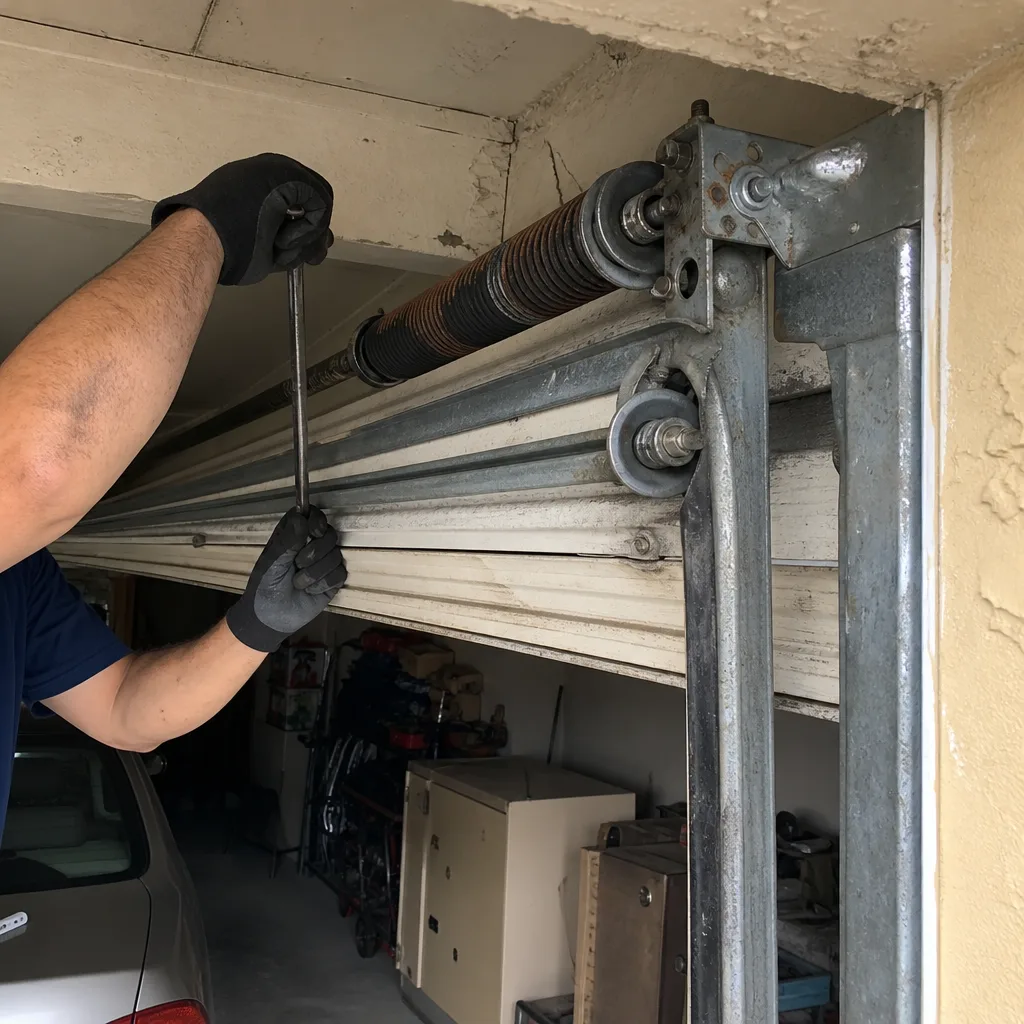 Before
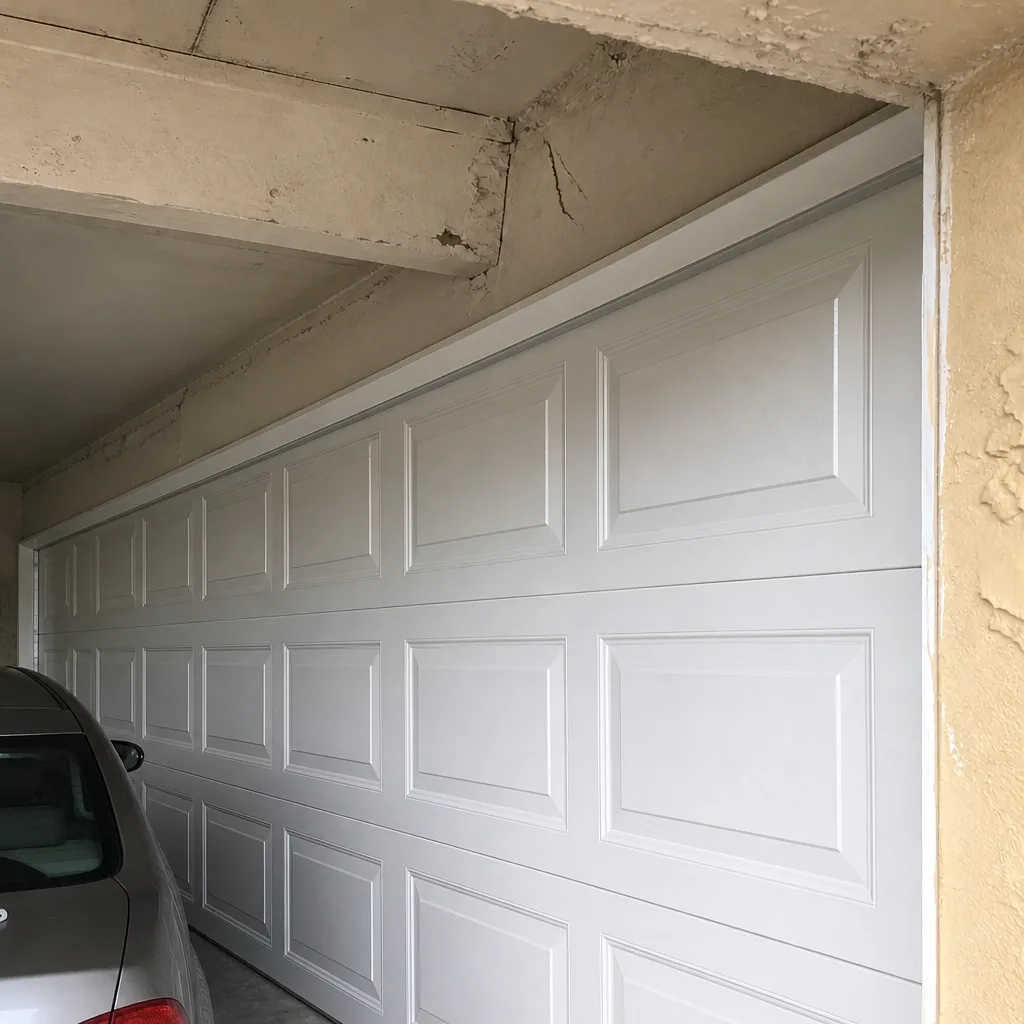 After
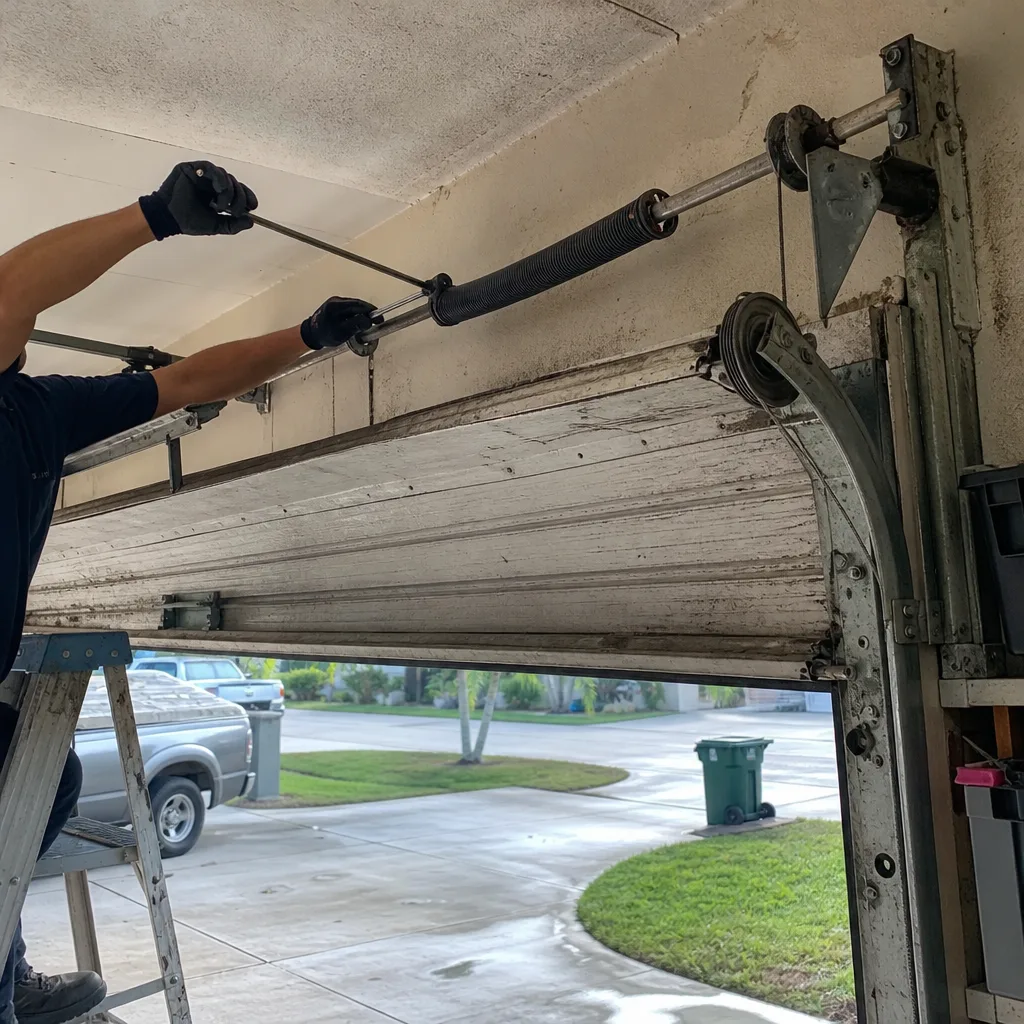 Before
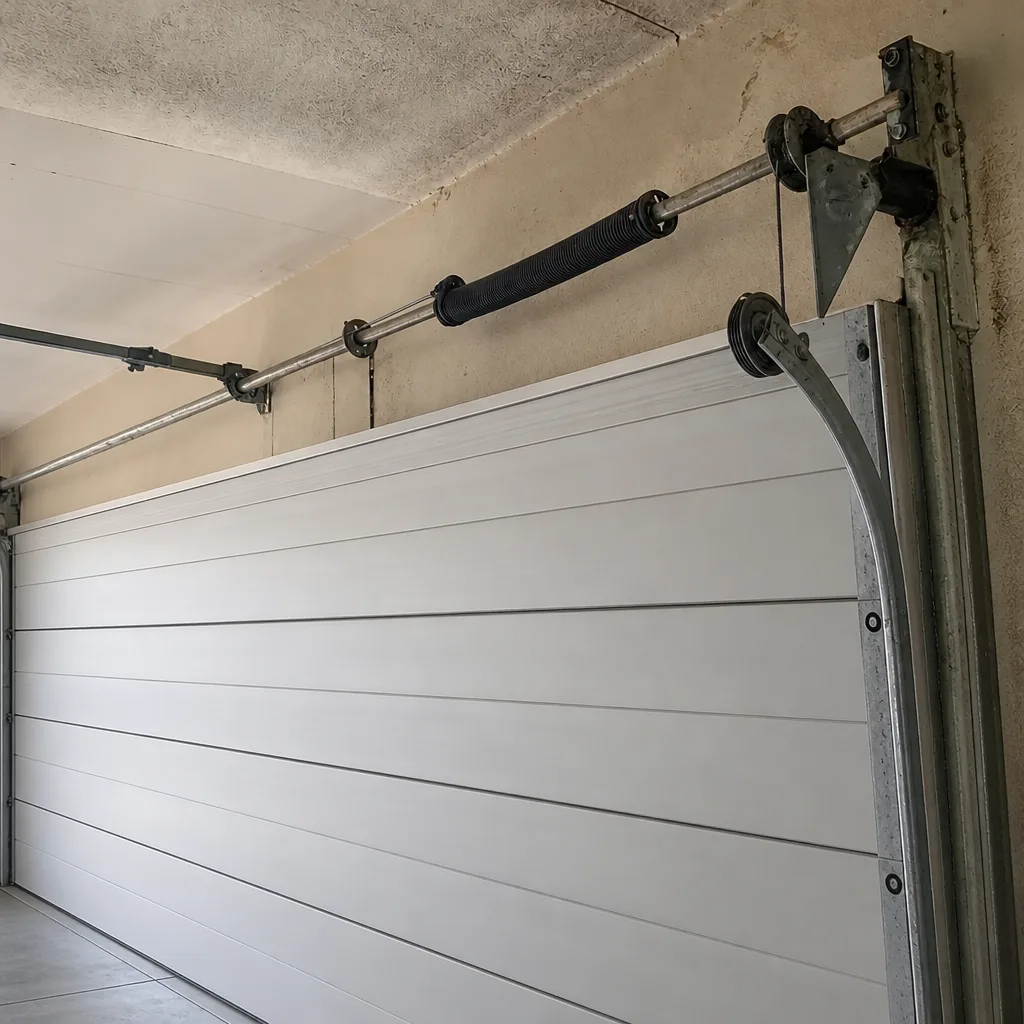 After
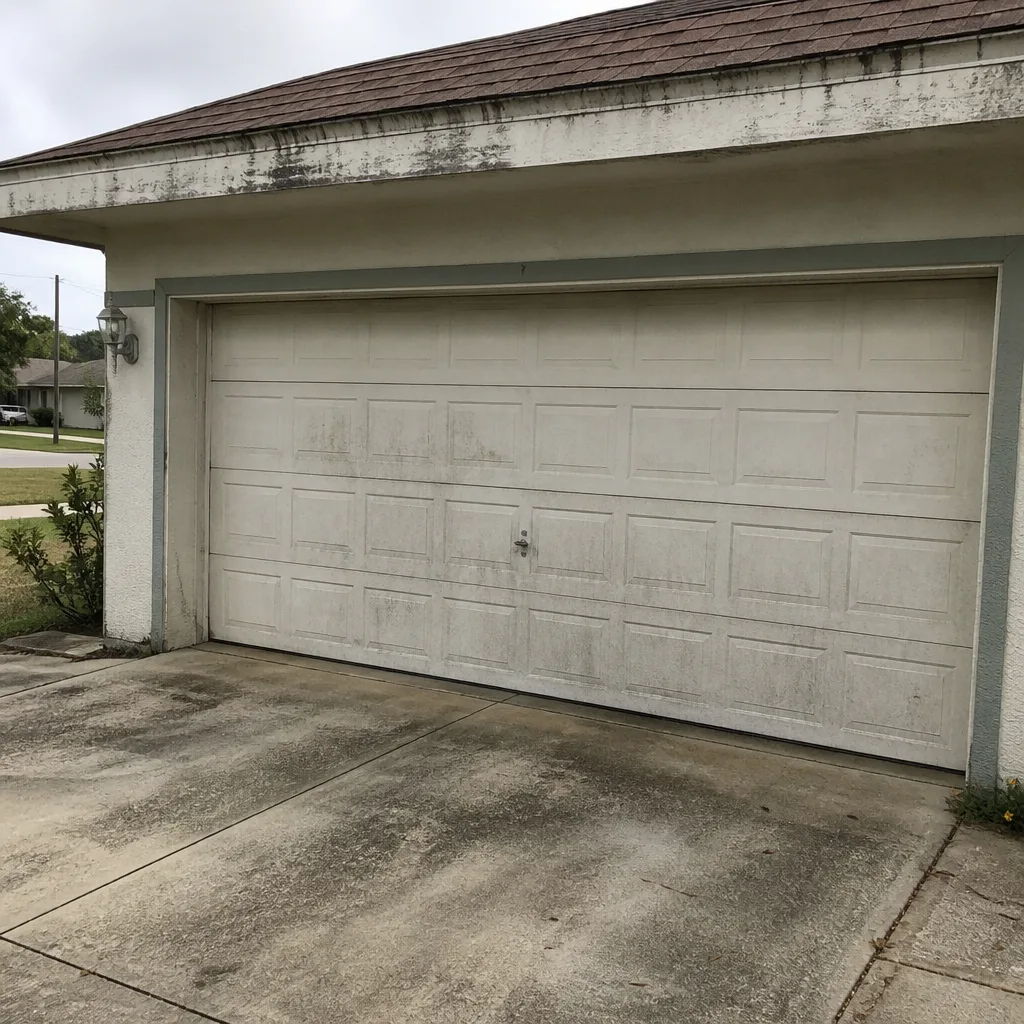 Before
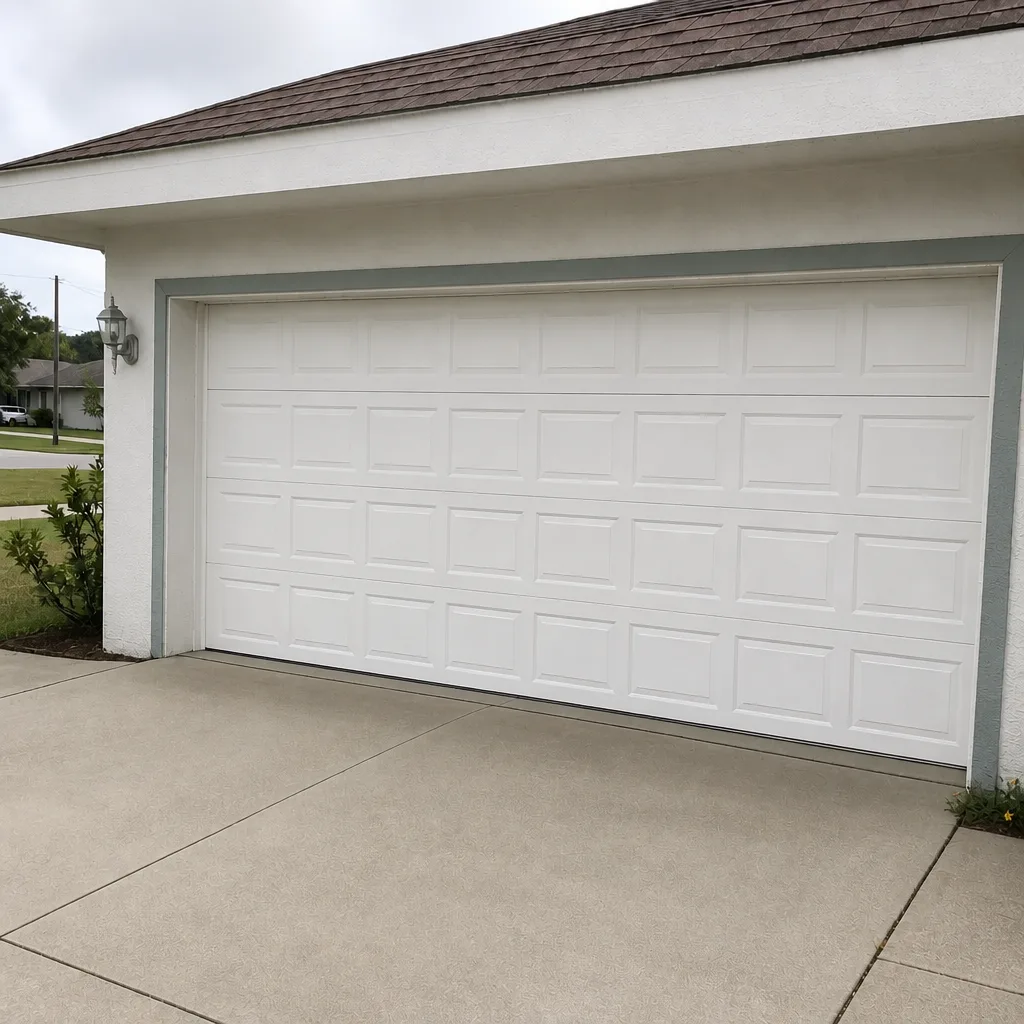 After